
WIDE AREA NETWORK
A wide area network (WAN) is a network that covers a large geographical area.
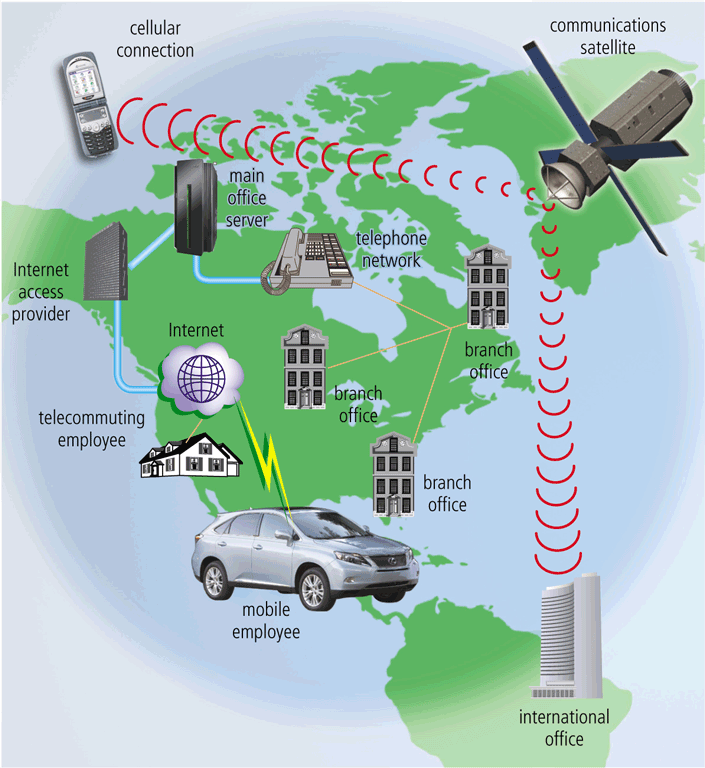
Main characteristics of WAN:
Areas of coverage: WANs located within a countryside and worldwide networks, (such as a city, country, or the world) using a communications channel that combines many types of media such as telephone lines, cables and radio waves. The Internet is the world’s largest WAN.
Distance: WANs span (cover) distance greater than 100 miles.
Ownership: WANs have no ownership.
Type of Wide Area Network:
ENTERPRISE PRIVATE NETWORK (EPN)
Enterprise Private Network (EPN) is a type of network built by an enterprise to interconnect various company sites, e.g., production sites, head offices, remote offices, shops, in order to share computer resources.
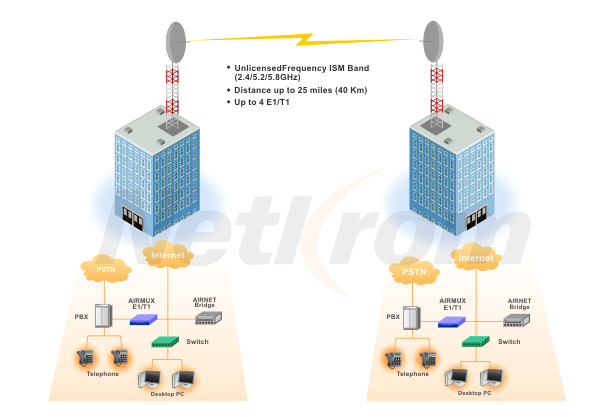
VIRTUAL PRIVATE NETWORK (VPN)
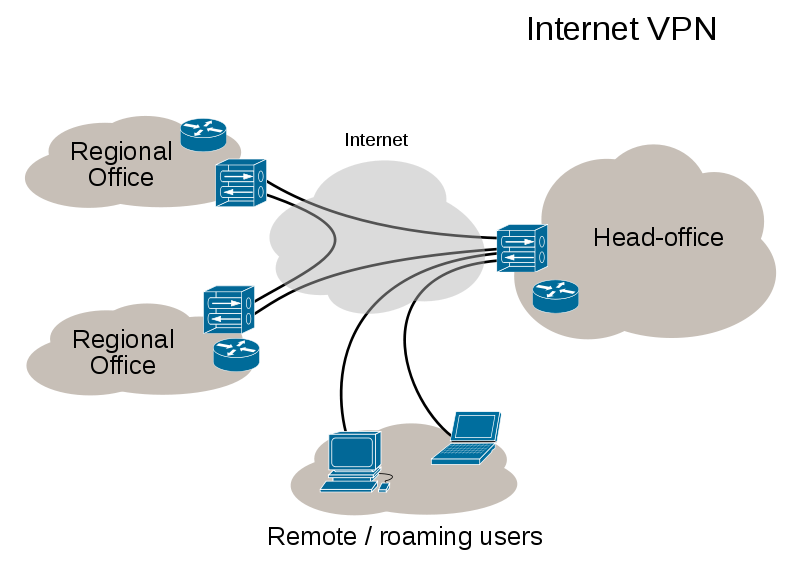
Virtual Private Network (VPN) is a type of private network built over public infrastructure. By using a number of security mechanisms, including encryption, a VPN allows users to securely access a network from different locations using a public telecommunications network, most frequently the Internet.
Advantages Of WAN:
- These are similar to those of LAN's except the scale of sharing etc. becomes far greater and can be world-wide.
- Again these are similar to those of LAN's except that issues such as security become even more important as potential hackers could break into a computer system from anywhere in the world rather than having to physically be in a building.
- Encryption of secure data such as financial transactions is necessary because it is even easier to capture data.