
About Ski Jumping
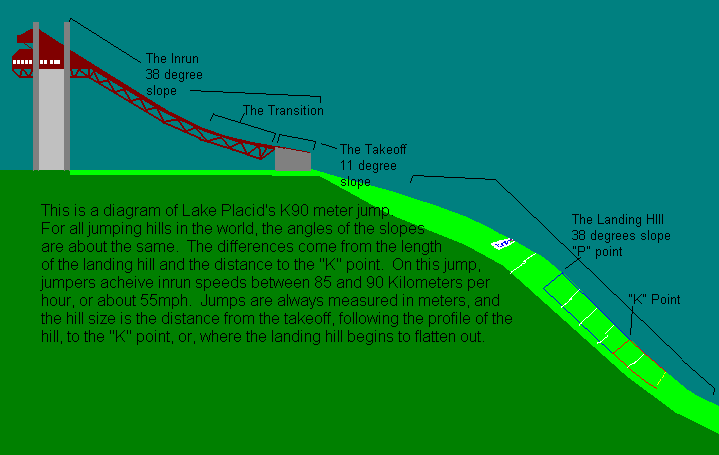
Hill Shape
Modern Jumping Technique
 Here
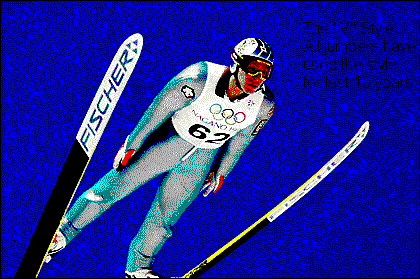
Kosioshi Funaki demonstrates one of the best flight positions in the
world. This picture, taken at the 1998 olympics, was looking up at
him which means he was level in the air, the most effective way. The
goal is to creat the most wind resistance for downward motion, but
still creating the least wind resistance horizontally to maintain
speed.
Here
Kosioshi Funaki demonstrates one of the best flight positions in the
world. This picture, taken at the 1998 olympics, was looking up at
him which means he was level in the air, the most effective way. The
goal is to creat the most wind resistance for downward motion, but
still creating the least wind resistance horizontally to maintain
speed.
In most ski jumps around the world, jumping training and competitions are able to continue throughout the entire year. This is thanks to the materials plastic and porcelin. The Inrun of the jump is outfitted with two tracks made out of porcelin segments with bumps on their inside surfaces. One ski sits in each track and slides down it, simulating an iced track in the winter. Sprinklers keep the track slippery and reduce the wear on the porcelin bumps. The landing hill is covered with plastic matts made out of twelve in strands of plastic, and arranged like shingles pointing down the hill. In between jumps, larger sprinklers keep the plastic wet and slippery, to ensure consistent landings and reduce wear on the the skis. At the end of the plastic, the jumper comes to a stop on the grass growing on the flat outrun. As long as they are in reasonable control, leaning back and slowing down on the grass is easily done.
The same skis are used in the summer as in the winter. However because of the abbrasivness of plastic, porcelin and grass, the skis usually require extensive work, or are just retired at the end of a summer season. The rest of the equipment is the same and gets used year round, even if the suits are a little hot in the summer.