 |
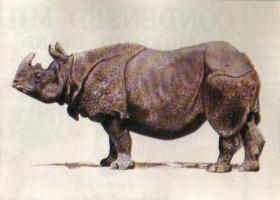
01. Sumatran Rhinoceros An extremely rare mammal that is threatened with total extinction. It is probably the only surviving rhinoceros in Malaysia. It stands 4ft. tall at the shoulders. It roams in the remoter parts of the jungles and feeds on leaves, knocking small trees down and trampling all over them to get at the shoots. |
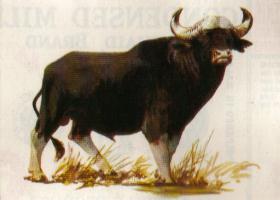 |
02. Gaur The Gaur or Seladang is the larger of the two kinds of wild cattle found in Malaysia. Fully-grown it weights about 1 ton. It turns savage and dangerous if molested. Usually found grazing in small herds in open country and river valleys. |
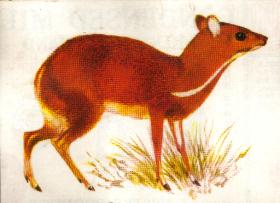 |
03. Lesser Mouse-Deer The smaller of the two kinds of mouse-deer found in Malaysia. Fully-grown it is about 1� ft. long, and weighs less than 4lbs. It is often seen alone in the forest, by river banks, in swampy areas or hills. Sometimes it turns up at plantations or vegetable gardens looking for food. Nick-named the "Sang Kancil" in Malay folklore. |
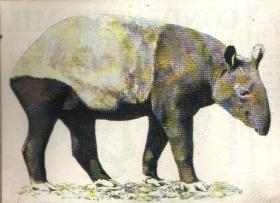 |
04. Tapir There are only a few Tapirs left in this country. Unless protected they may soon become extinct. Despite its large size the Tapir is quite harmless. Fully-grown it is almost 3� ft. tall at the shoulders. The adult moves about alone. It feeds on leaves and shoots that grow among the jungle undergrowth. |
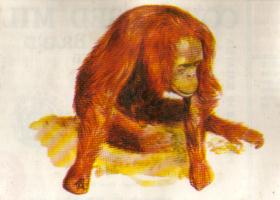 |
05. Orang Utan The Orang Utan is the biggest of all the Malaysian apes. It is found only in Borneo and Sumatra. A fully-grown male weighs about 450lbs. The Orang Utan lives in trees in the virgin jungle, although the female is sometimes seen with her baby on the ground. Ruthlessly pursued by animal dealers, the Orang Utan is seriously threatened with extinction |
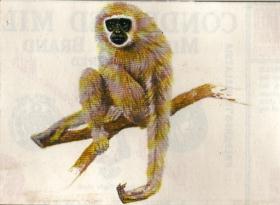 |
06. White-Handed Gibbon The White-handed Gibbon is related to the ape family. It is about the same size as an ordinary monkey, but it has no tail. It lives in trees and rarely descends willingly to the ground. It feeds on fruits, shoots, leaves and even spiders and insects. In captivity it will eat cooked rice, meat and vegetables. It has a musical hooting cry, sounding somewhat like 'wa...wa' |
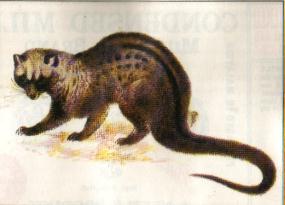 |
07. Common Palm Civet There are many types of civets found in Malaysia. The Common Palm Civet is the commonest and best known. It looks rather like a large grey cat with short legs, a long pointed face and a very long tail. It sleeps during the day, hiding beneath the roofs of houses and sheds. At night, it hunts for food, making bold raids in hen roosts and fruit gardens. |
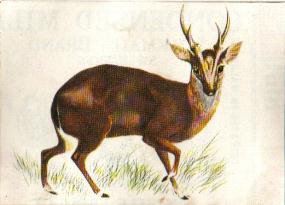 |
08. Barking Deer This is the smaller of the two kinds of true deer found in Malaysia. When fully-grown it measures 3ft. long and weights about 28-35lbs. Only the males have antlers. The Barking Deer lives in the hillside forests. When it calls it sounds like a dog barking from a distance. Hence its name. |
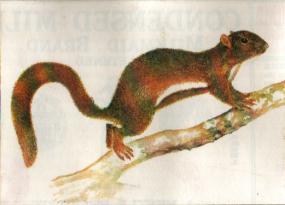 |
09. Plantain Squirrel There are many kinds of Malaysian squirrels, but the most common is the Plantain Squirrel. They are found in great numbers in lowland forests and often are hunted down as pests in coconut groves or orchards. They are very active by day and can be seen running up and down the branches of trees. |
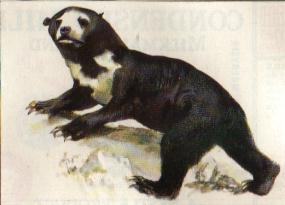 |
10. Malay Bear The smallest existing bear, but it is just as powerful and formidable as the bigger species. Fully-grown it measures about 4�ft. in length and weighs about 124 lbs. It likes to raid nests of wasps and bees for the larvae and honey. Though it is usually found in virgin jungle it sometimes wanders into coconut groves, sago or oil palm plantations. |
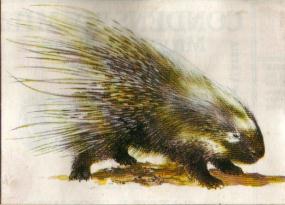 |
11. Common Porcupine This is the largest of the Malaysian porcupines. Fully-grown it measures about 2�ft. long with a 7 inch tail and weights between 17�-21lbs. It is a nocturnal animal and lives entirely on the ground in large burrows. It eats all kinds of fruits and roots. Sometimes it even feeds on the meat of dead animals. |
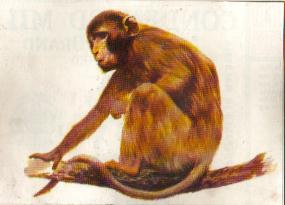 |
12. Long-Tailed Macque The Long-Tailed Macaque or Kera is the most common of the 5 species of monkeys found in Malaya. The young monkeys have tails as long as their bodies. As they grow old, the males often lose their tails and sprout grey side-whiskers. This monkey is found in many parts of the country, sometimes seen even in the outskirts of towns. |