 Agriculture and Fishery Production Agriculture and Fishery Production
Sipalay consists largely of rice and corn farming with fruit production/orchard gradually being developed in the uplands in conjunction with agro-forestation. Banana, coconut, mango and coffee are already produced in Sipalay, as well as pineapple, guava and citrus. Planting of rootcrops, vegetables, and legumes are also done using the Bio-Intensive Gardening System (BIGS) and Communal Garden approaches. The areas along the river delta, which cover Barangay 3-Poblacion, Gil Montilla, Manlucahoc, Cabadiangan, Mambaroto, and Nauhang are suitable for the planting of these vegetables.
Out of the total land area devoted to rice production, only 44 percent is currently irrigated. There are already six existing irrigation systems and a program to improve irrigation facilities is being implemented through the National Irrigation Administration (NIA) tapping the Sipalay River as the main source of water to irrigate an additional 300 to 400 hectares or 35 percent of the irrigated rice land.
Various credit institutions such as the Land Bank of the Philippines-Sipalay Branch, NGOs, the City Government, the Provincial and the National Government and the Sipalay Multi-Purpose Cooperative provide the necessary assistance to farmers' cooperatives and small/ medium enterprises and commercial establishments. However, credit is still largely sought by the majority of the population from informal lenders charging high interest rates. This is due to the relative ease of securing loans from them without the need for so much documentation and bureaucratic delays often encountered when applying for formal credit.
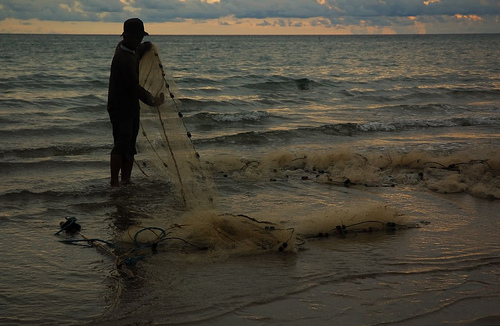
Aside from farming, fishing is also a major source of income for the people of Sipalay. Some 2,548 households (21.31 percent of the total households) are engaged in fishing in Sipalay. Municipal fishing vessels fish along the stretch of the city coastline facing the western side of the Sulu Sea while Barangay 4, Maricalum, and Cayhagan are frequented by commercial fishers.
| Schools |