be the remains of crudely formed fireboxes and chimney bases attributed to two different hutfeatures. The topmost stratum encountered in these excavations consisted of a concentration of
loose rubble set in a clay matrix containing large amounts of burnt clay. This initial deposit was
likely formed from the clay daub of the collapsed stick and mud chimney and stone base for the
firebox. Once the overburden of clay daub and loose rocks was excavated the fireboxes for the
hut sites were very evident (overall excavation sequence). (explain location of fireboxes and
position of hut walls).
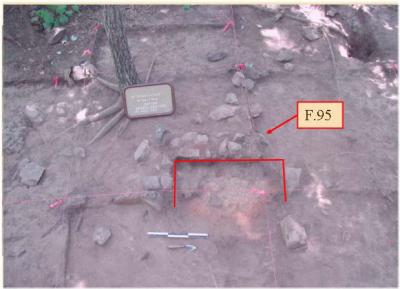
Figure 4. Detail of hearth showing location of fireback.
In terms of the details of the fireboxes, the fireboxes for these huts consisted of rock set
into scorched clay. This burnt clay and rock was roughly U-shaped with the interior containing a
dense ash deposit. Excavation of this ash revealed the interior of the firebox with a distinct area
of bright red clay at the base. This burned clay is the subsoil scorched by the hut occupant’s
fires. The ash within this firebox contained numerous small burnt nails and chunks of burned
clay. The nails are possibly the remains of boxes (such as cracker boxes) used by the soldiers for
kindling and the burnt clay is likely from the clay lining of the flue that periodically flaked into
the hearth. No evidence for the hut walls were encountered—either in the form of post holes or