
J30
all rights reserved.

|
|
|
|
|
|
|
|
|
|
|
|
|
|
|
|
|
|
|
|
|
|
|
|
|
|
|
|
|
|
|
|
|
|
|
|
|
|
|
|
|
|
|
|
|
|
|
|
|
| Note: This page is viewed best with Internet Explorer. | ||||||||||||||||||||||||||||||||||||||||||||||||
| The Journey Continues | ||||||||||||||||||||||||||||||||||||||||||||||||
| Susan Ceniza and Santos Fultze continue their voyage through the Inside Passage on s/v Majic, a spunky J30. This journal entry is about crossing Dixon Entrance from Foggy Bay, Alaska, to Prince Rupert, Canada. email Santos and Susan at: [email protected]. Click the link The Journey Begins for part one of the journal. | ||||||||||||||||||||||||||||||||||||||||||||||||
|
|
||||||||||||||||||||||||||||||||||||||||||||||||
| Journal Entry: A Letter Home. Written Monday, May 29, 2000. Prince Rupert, Canada. | ||||||||||||||||||||||||||||||||||||||||||||||||
|
||||||||||||||||||||||||||||||||||||||||||||||||
| We are in Prince Rupert now. Got here the other day after traversing one of the dreaded open sea crossings of the Inside Passage --- Dixon Entrance. At first, we thought it would be another stormy challenge because we started the passage rather late, at 9:30 a.m., after the engine would not start in Foggy Bay (the last Alaska rest stop before crossing the border). It was crazy. We were out of fuel! Somehow, the last time we refueled, the tank showed an overflow and so we thought it was full. Apparently, it was not. Darn. Another safety thing to put on the list: do not rely on the overflow valve as an indicator. We can only thank God that it happened while we were at anchor in a very safe and quiet cove, and not out at sea. | ||||||||||||||||||||||||||||||||||||||||||||||||
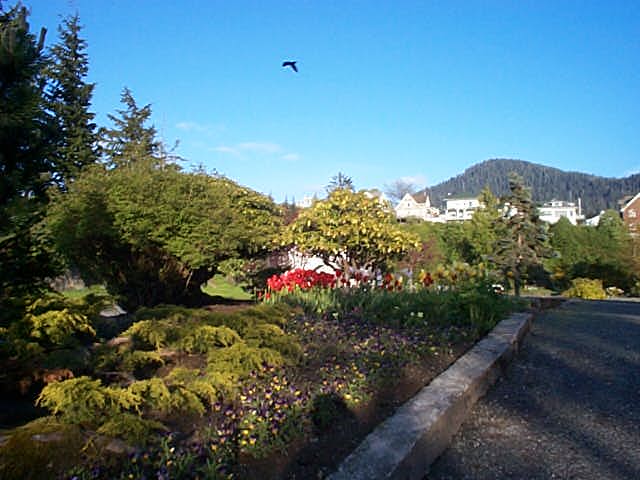
| Prince Rupert, our port of entry in Canada, is a delight with its beautiful gardens. | ||||||||||||||||||||||||||||||||||||||||||||||||
| Santos had to bleed the engine (he has been keeping Kevin Clayton's (his former chief) advice to heart, which was, never put all your reserve fuel in the tank, just in case this kind of thing happens). Good thing we had the two jerry cans (six gallons of diesel each) filled up in Ketchikan. One thing great about this 15 horsepower Yanmar engine: it might be slow, but it sure is economical with fuel. We do one gallon every four hours. And of course, there is always sailing to fall back on, and there is almost always some kind of wind. The wind might not be going where you want it to go, but it will get you somewhere, eventually. | ||||||||||||||||||||||||||||||||||||||||||||||||
| As I said, we started late. As we got out of Foggy Bay's inner cove, we saw a black bear on shore! My very first close sighting of a black bear (we saw a brown further north but it was so far away it looked like a brown dot waddling on the beach). The bear heard us coming and wandered off back into the forest. | ||||||||||||||||||||||||||||||||||||||||||||||||
| As we motored down towards Revillagigedo Channel, we met quite a few boats heading north (we have been seeing a number of motor and sail boats heading north since we left Ketchikan -- the summer cruising season has begun in earnest). Looks like we are the only one going south. The sea was a bit on the choppy side, but we had following seas, so it wasn't bad at all. Unfortunately, the current was against us, so we were only doing 3 knots or so. Off Gilanta Rocks, we met another sailboat who put up their sails a mile just before we passed them. Boy, did they look beautiful with the sails up! And they practically zoomed away! Santos was challenged, naturally. He looked at all the conditions (I could imagine him feeling the wind with his finger), and he decided we can put the sails up, too. So we put up both the main and the jib. Now I have assisted quite a few times putting up the main, so we have that down pat. This was a first for me to help put up the jib, though, so it took a few shouted instructions here and there, before we were done. | ||||||||||||||||||||||||||||||||||||||||||||||||
| We sailed well for a while, then guess what? The wind started to die down again. It never fails. It didn't die down totally, so we kept the sails up, but also turned on the engine to help things along. About a mile and a half down from Lord Rock (the last Alaskan piece of land in that corner of earth or sea), we could almost see the dotted line marking the boundary across Dixon Entrance, and we put the maple leaf flag up. This time, Santos made sure he had the maple leaf on right. Apparently, the last time he did this, it was upside down. | ||||||||||||||||||||||||||||||||||||||||||||||||
|
||||||||||||||||||||||||||||||||||||||||||||||||
| Canada! Will we have better winds and seas? | ||||||||||||||||||||||||||||||||||||||||||||||||
|
||||||||||||||||||||||||||||||||||||||||||||||||
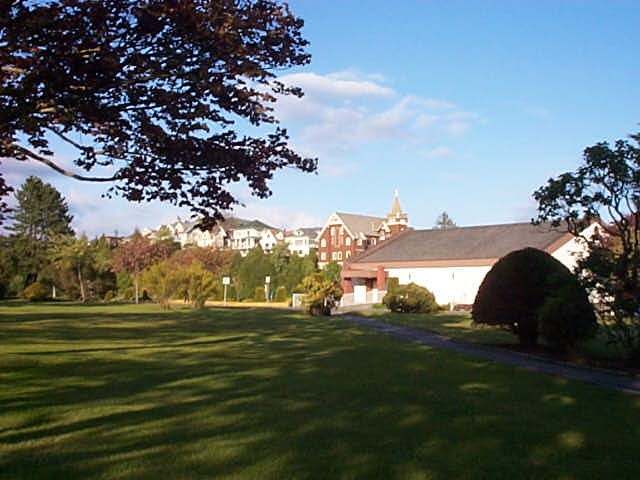
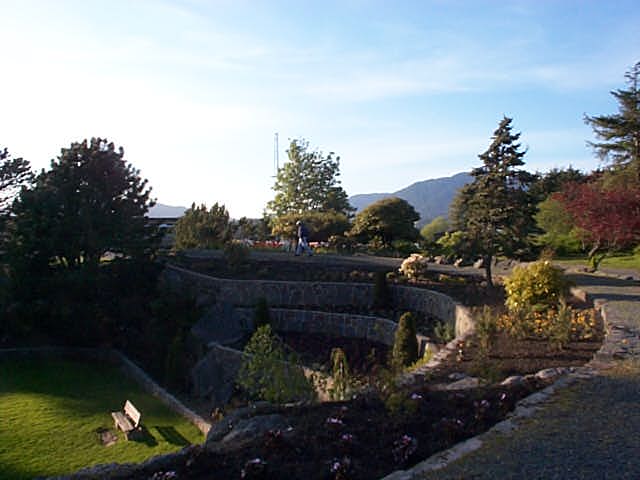
| Prince Rupert offers lovely views and pleasant promenades. | ||||||||||||||||||||||||||||||||||||||||||||||||
| Prayer is a constant running stream in my consciousness by now, but this time, I tried not to bother God too much. Except for a few anxieties about gray skies and low visibility on the other side of Dundas Island, things did not look too bad. Santos, though, started considering anchoring off in Brundige Inlet on the north side of Dundas, if our speed did not improve. He did not want us trying to navigate the channel going into Prince Rupert at 12 midnight. We talked about it, but since it was still about 2:00 p.m.,, we figured we should try it out for an hour or so, and if things did not get better, we could always go back and try the inlet. If we did that, we would have to stay there two days or so, though, as bad weather was expected that night. | ||||||||||||||||||||||||||||||||||||||||||||||||
| The sails had already been folded up because of confused seas off the point of Dundas Island. We were chugging slowly along, waving to all the boats that passed us going north, their wakes causing us to rock wildly once in a while. Fishermen were trolling around Dundas, and we could see sports fishermen there, too. As we neared Green Island with its picturesque lighthouse, Santos cheered up. We picked up speed! Almost magically, we went from three knots to 5.5 and even six knots! The north entrance to Prince Rupert was just less than three hours away, if the current stayed with us throughout. The sea was almost calm and the wind (the forecast was 15 knots) was almost on the nose, but only 3 or 4 knots. We were "speeding" in to Canada! Yehey! With the visibility the way it was (quite misty), we sure needed to get through that channel in the daylight. | ||||||||||||||||||||||||||||||||||||||||||||||||
| As we got closer, Santos pulled another of his "challenges." He said we will try to get in through the North "shortcut" going to Prince Rupert, passing by the village of Metlakatla (this was the original Metlakatla settlement which somehow, through some church schism or other, divided. Half went north to found the Alaskan Metlakatla on Annette Island.). Uh, oh. The last time Santos tried this shortcut, he got grounded in its shallow shoaly waters. That time, he got out almost immediately, but just the thought of it added creases on my forehead. Anyway, he promised that if we cannot find the buoys, we will go on to the traditional route. Um. Okay. | ||||||||||||||||||||||||||||||||||||||||||||||||
| Thus, as the navigator, I was under the dodger, half in and half out, with my head bent down to the guidebooks, whatever charts we had, and the radar. Santos was out in the cockpit, manning the tiller. Every once in a while, I would look up, and give my two cents' worth, according to the guides. Once in a while, he would stick his head in and check the radar and the charts. Two heads are better than one, right? Well, we got closer and saw a white pole, which was NOT on the charts, nor was it mentioned in the guidebooks. And where are the buoys? There were log rafts here and there, between the white pole and another white marker on an island in the channel. We knew we had to get from the white pole to the white island marker, but where do we pass? | ||||||||||||||||||||||||||||||||||||||||||||||||
| Finally, we saw a green buoy. According to the chart, we had to keep that on our left. Very well, for lack of a red buoy, we will close in on the green, then use that to line up with the white marker. So we went along, very very slowly, keeping an eye on the depth marker. 30 feet... 25 feet... 15 feet... (the guide said 16 feet at mean low tide, with CAUTION! in bold letters) 11 feet... 10... 11 again, 8 feet! Yikes! Suddenly, the boat swerved. I cried out, "Santos, what are you doing! You have to head for the island marker, and you are going into the shoals on the left!" I was quite noisy with panic, believe me. Santos tapped me on the shoulder, but I could almost feel his voice knock me on the head when he said, "Look! There is the red buoy! Red right return, remember? And that red buoy is on our left!" I shut up in relief and chagrin. The red buoy was found at last. Santos very kindly assured me that I could not be expected to see the buoy as my nose was in the books. Still, panicking is not something I like doing, so I felt kind of miffed. Not for long, though. This narrow, winding channel is beautiful! On one of the small islands, fishermen and their families were roasting a feast on the beach. A whale sounded in one of the coves visible from the channel, across some of the low islands that form the channel's boundaries. I thought, how wonderful, but also how strange, that a whale would stay in such busy waters. A resident whale, maybe? | ||||||||||||||||||||||||||||||||||||||||||||||||
| There were many islands around, and they looked different from Alaskan islands, somehow. There were more brush trees, and obviously many more varieties -- pine trees, leafy, deciduous trees, flowering trees, and the glorious red maple! Everything looks landscaped and well tended. One cannot compare Alaska and this part of Canada. They are on different scales. Magnificent and beautiful in their own ways. One difference I can see is that Alaska feels more wild and rugged, its inhabitants still imbued with some kind of pioneering spirit, while at least this part of Canada, feels more settled. Oh, and let me not forget to mention that it is also warmer. We can keep the hatches open all day! | ||||||||||||||||||||||||||||||||||||||||||||||||
| The channel passing by Metlakatla was like a narrow street, connecting with Venn Passage that brings you to the deep waters of Prince Rupert Harbor. Motor boats whizzed by several times from both directions, and their wakes would have had us gritting our teeth if the occupants were not so friendly when they passed, smiling and waving like old friends. | ||||||||||||||||||||||||||||||||||||||||||||||||
|
||||||||||||||||||||||||||||||||||||||||||||||||
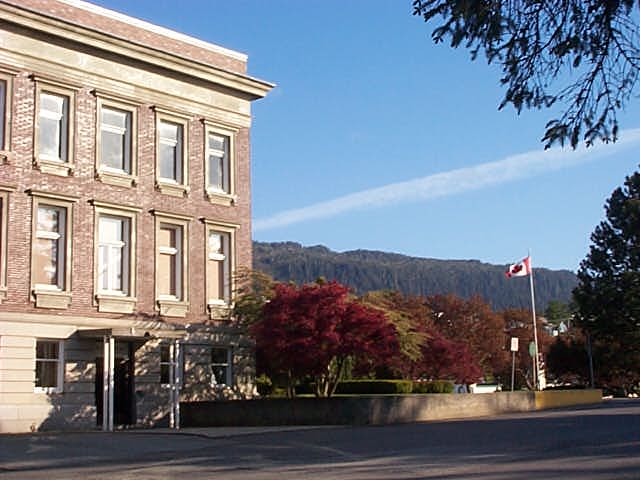
| Maple trees abound. Above, they blend their colors beautifully with the courthouse building of Prince Rupert. | ||||||||||||||||||||||||||||||||||||||||||||||||
| We docked at the Prince Rupert Yacht Club where its manager told us we were lucky we got in that day, as he had about two hundred feet of boats coming in the next day from the south, all headed for Alaska. Just as we docked, we were assisted by this couple who watched us come in. Charlie and Karen from Idaho, on their way to Juneau. Very friendly couple, very helpful. We exchanged notes -- their experiences and highlights south, and ours, north. They also gave us pointers on where to find marine stores and great value dinners in Prince Rupert, both of which are of tremendous importance to cruisers. Ahhh. This is the best part of cruising life. We have met people like Charlie and Karen on the way south, and it is people like them who make cruising such a worthwhile experience. Charlie and Karen have a motorboat, the Bohemian Princess, which has Seattle as its home port. They mentioned that they left Anacortes May 8, and have had a really good time coming up. Other people we met there were some sailboaters from England (!). Yes, they brought their sailboat over from England and were also on their way to Juneau. We also met Brady and Matt, sailing north. | ||||||||||||||||||||||||||||||||||||||||||||||||
| They all left this morning, including all the big motorboaters who arrived yesterday. From a crowded float, it is now practically empty. We are the only ones of the transients left. We hope to traverse Grenville Channel tomorrow morning, weather permitting. It is supposed to be an awesome experience as the 45-mile long Grenville Channel, with its steep, thickly wooded , and snowcapped mountainsides present "the beauty of a classic fjord." It is also very narrow, slightly less than half a mile wide at its narrowest point near Lowe Inlet, and a favorite passageway of huge cruise ships. Hah. Another challenge. Cruise ships are very courteous, though. They always slow down when they see small craft coming. | ||||||||||||||||||||||||||||||||||||||||||||||||
| Well, well. Let me end here for now. I know there is a huge gap in the narrative between this and the first sending, and that gap represents quite a lot of excitement and beauty and people met, between Icy Bay out on the Gulf of Alaska and Foggy Bay at the south end of the Alaska side of the Inside Passage. One of these days, I will get to it. Really. In the meantime, I hope you enjoy this and the other links I have posted here. | ||||||||||||||||||||||||||||||||||||||||||||||||
|
||||||||||||||||||||||||||||||||||||||||||||||||
|
||||||||||||||||||||||||||||||||||||||||||||||||
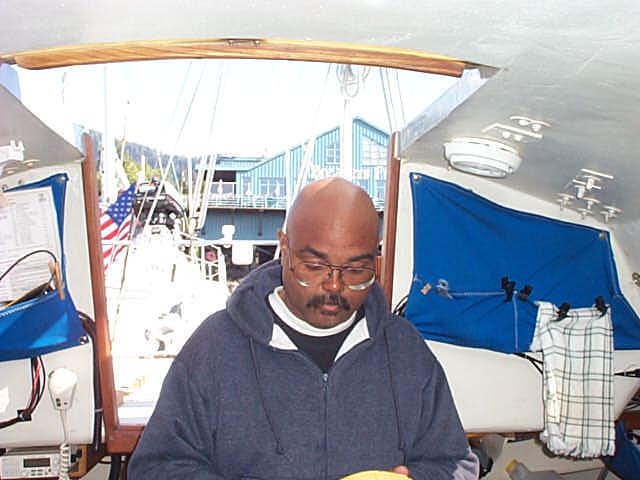
| Santos, the captain of s/v Majic, contemplates the next leg of the journey between exploration tours of Prince Rupert in Canada. | ||||||||||||||||||||||||||||||||||||||||||||||||
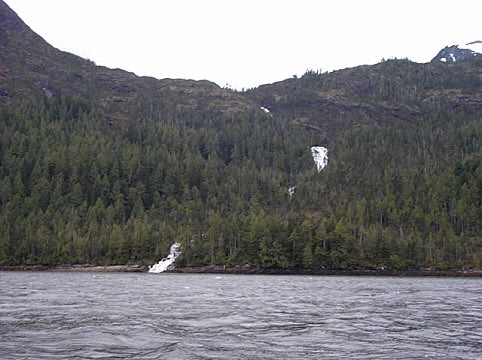
| One of the snow-fed waterfalls of Grenville Channel. | ||||||||||||||||||||||||||||||||||||||||||||||||
|
|
||||||||||||||||||||||||||||||||||||||||||||||||
| ss wedding | ||||||||||||||||||||||||||||||||||||||||||||||||
| home | ||||||||||||||||||||||||||||||||||||||||||||||||
| the journey begins | ||||||||||||||||||||||||||||||||||||||||||||||||
| our boat of choice: J30 |
||||||||||||||||||||||||||||||||||||||||||||||||
| coos bay and oregon's south coast | ||||||||||||||||||||||||||||||||||||||||||||||||
| sailing on majic | ||||||||||||||||||||||||||||||||||||||||||||||||
| email susan and santos at [email protected] all rights reserved. |
||||||||||||||||||||||||||||||||||||||||||||||||
|
|
||||||||||||||||||||||||||||||||||||||||||||||||