 |
|
|
|
|
|
|
|
|
|
|
|
|
|
|
|
|
|
|
|
|
|
 |
|
 |
|
|
Holy Monarchs Who Stand Out as
True Kings Among kings |
|
|
|
|
|
 |
|
|
|
|
|
|
|
|
|
Today, among religious and non-religious folk alike, it often seems, we are much more aware of monarchs with bad reputations rather than good ones. King Josiah of Judah is hardly remembered, but everyone is familiar with the cruelty of Nero or the corruption of Louis XIV. Even when good kings are recalled, it seems they are too often dismissed as the exception rather than the rule. Yet, if we are all sinners, and all more naturally inclined to do what is easy and wrong rather than what is difficult and righteous, surely the example of the holy kings of history are then an even greater example to the rest of us, particularly when living in an age where corruption has become sadly expected and ordinary. |
|
|
|
|
|
|
 |
|
|
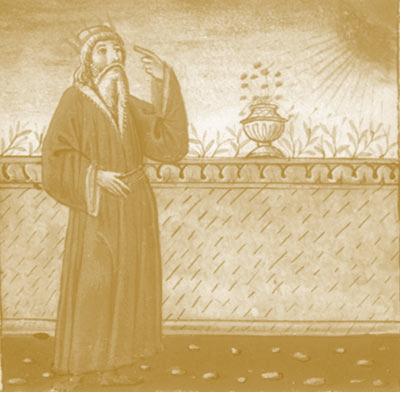
Certainly, there is no better example of a holy king than the saintly David of Israel, the second ruler of the united monarchy, a forerunner of the Messiah, founder of the Sacred Royal House with which God made the seventh covenant and the king whom God Himself called, "a man after His own heart". David of Israel represents the greatest example of all earthly kingship.
His accomplishments were certainly remarkable. He began life in the most humble and ordinary of surroundings only to become a national hero, favorite of the royal court and finally anointed by the pontif Samuel as the next King of God's people on earth. He took his people from being a weak collection of vassal tribes to being the rulers of a powerful and united empire. He was a heroic warrior, a skilled general, talented in music and poetry, compassionate, wise and devoted to God.
Yet, like all great Biblical figures, David fell short of perfection and sinned horribly by adultery and murder. In this way, God demonstrates that even the greatest of the |
|
|
|
great among mankind cannot match the perfection of God, and teaches us by this example that we are always to put our faith in the King of Heaven rather than the princes of the earth. However, King David sincerely repents of his sin, confesses and is forgiven. Through King David we can see that there is no sin which God will not forgive, and also that we must live with the consequences of our actions and misdeeds.
Because of the blood on David's hands, he was not permitted the honor of building God's temple in His city of Jerusalem. David had laid the foundation, but he could not see the full fruits of his work. However, God made a special and unconditional covenant with King David that he and all his descendants would have a divine and absolute right to rule God's people, which could never be removed. God promised that He would punish the wicked, but no what, because of the holiness of David, that divine right could never be taken away from his dynasty, which ultimately had the highest honor of producing the Word made flesh in Jesus Christ. |
|
|
|
|
|
|
|
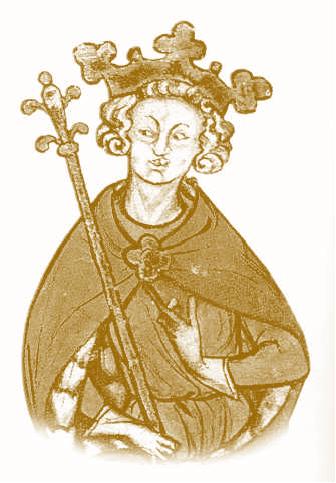
King Solomon, the chosen heir of David, is known as the wisest man to ever live in the world and as the king who brought Israel to her greatest height of glory, wealth and earthly power. According to Scripture, God told David that He would be called the father of Solomon and that Solomon would be called the son of God. To King Solomon was accorded the great honor of building the temple and when God promised to grant to Solomon anything he desired, the King asked for wisdom and was given it in abundance. Israel had never seen, and would never see again the strength and majesty seen during the reign of King Solomon.
Yet, like his father, King Solomon also teaches us a great deal by the many mistakes he made. His wisdom proved to be a mixed blessing saying, "in much wisdom is much grief and he that increases his knowledge increases his sorrow". We also learn from Solomon the great spiritual danger which comes with worldly success. The king who was called the very son of God became heavy-handed and his many wives, married to secure alliances, introduced strange gods into Israel. He is famous for having 1,000 wives and concubines. |
|
|
|
 |
|
|
|
|
|
Because of the failings of both David and Solomon, there were also divisions from the very start that would plague the history of Israel for centuries to come. When Zadok the priest anointed and crowned Solomon Adonijah was already contesting him as a rival Jewish monarch. Because of the sins of Solomon, the nation was to be divided after his death. Like all Biblical figures, from Adam to the apostles, we must try to learn from his mistakes, yet we cannot ignore the great and holy contributions made to the religion by King Solomon, the man who built God's first temple on earth, who wrote 3,000 proverbs and 1,003 songs to glorify God and instruct the world in the ways of wisdom. It is no wonder that "the glory of Solomon" became a legendary part of Jewish culture and tradition. |
|
|
|
|
|
|
 |
|
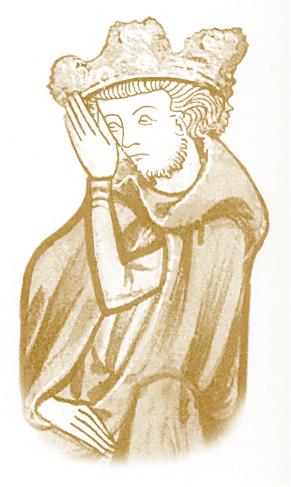
One of the most crucial periods in the history of Judah was during the reign of King Hezekiah, and as is often the case, God provided a monarch who was up to the challenges faced by the people. Hezekiah was the son of Ahaz and Abi, the daughter of Zechariah. When he ascended the throne, Judah was a vassal of the cruel and bloody Assyrian Empire, which had devestated Israel when they rose in revolt. There was a flood of refugees from the north, including many priests who helped bring about a renewed devotion to God in Judah. This prompted Hezekiah to destroy the fiery serpent statue which God had commanded Moses to use as an object of healing, but which the people had grown to worship and treat as a god.
King Hezekiah also sought to strengthen the security of his country, particularly in the areas inhabited by the Philistines. He attempted to form an alliance against Assyria with Egypt and Ethiopia, which was opposed by Isaiah. It did not pay to look for safety from man and Egypt was soon defeated. The Assyrian king Sennacherib then turned on his rebellious vassal of Judah and besieged Jerusalem. The city was well-defended, but everyone knew it would not be enough to defeat the notorious Assyrian army. So, King Hezekiah turned to God rather than man and humbled himself, praying that his people would be delivered. In response, God had mercy on him and devestated the Assyrian army. |
|
|
|
|
|
 |
|
|
continue |
|
|
|