

When Jehu announced that he had been anointed king, most of his fellow commanders flocked to his side and he led the Israelites in an old fashioned holy war to overthrow the totally unsuccessful King Jehoram and root out the idolatry that had taken hold of Israel. The failings of King Jehu show up when we see that perhaps Jehu was more zealous in this than he should have been. King Jehu marched on Jezreel, killed Jehoram as well as the visiting King Ahaziah and quickly wiped out the pagan influences in Israel. Queen Jezebel, who had encouraged the worship of Baal and spread of pagan religion, was thrown out a window and trampled under foot by her own palace eunuchs when they sided with King Jehu. He then went on to kill off the entire family of the former King Ahab as well as all the priests of Baal in Israel, destroying their idols as well. God was pleased with this and presented Jehu with His divine congratulations and promise of future greatness so long as he continued to do as God commanded. Unfortunately, King Jehu lapsed into repeating many of the sins of his predecessors and Israel was punished with several defeats in battle. However, King Jehu does deserve the credit for destroying paganism and establishing the longest dynasty in the history of the northern kingdom, a mark of his favor with God for purging Israel of her false religions.
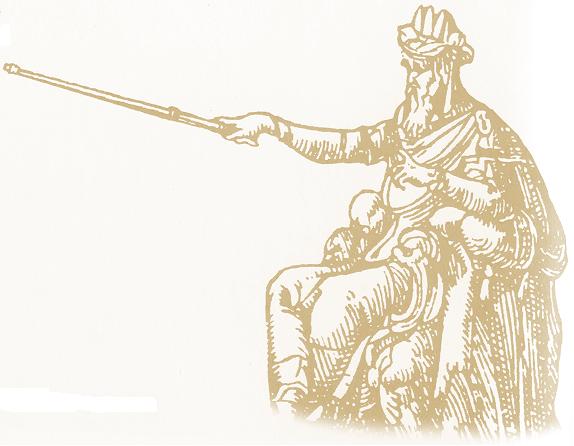
This was the great accomplishment of King Josiah's reign. Judah had fallen so far away from the true faith, that it seems many had forgotten it completely. This situation changed when King Josiah orders repairs made to the Temple of Solomon and in so doing, the High Priest, Hilkiah, discovers a book containing the laws of God. While we cannot be certain, this has usually been taken to be Deuteronomy, which lists many of the reforms Josiah carried out. Sacrifices are to be made only in God's one, true Temple and the Passover ritual is restored in the proper way.
King Josiah, after checking the legitimacy of this book with the religious leaders, called a great assembly of all the elders and leaders of Judah to come to Jerusalem, where he reads out the contents of the book and renews the Davidic Covenant with God. Josiah then purges Judah of all vestiges of the paganism that had creeped in, ordering his priests to remove all of the idols of Baal from the temples, along with all the other false gods and to destroy them. All of the pagan priests who had been ordained, and all of the "astrologers" for lack of a better word or witches and wizards, were likewise cast out and killed. Josiah gave thanks to God and renewed the old traditions. According to II Kings 23:22, "Surely there was not holden such a Passover from the days of the judges that judged Israel, nor in all the days of the kings of Israel, nor of the kings of Judah", showing what a true and complete revival Josiah had brought to his kingdom. Yet, Catholics are well aware, even when we sincerely regret, confess and are forgiven of our sins, we still must endure the penance and Judah as a nation still had to do the penance for their past transgressions. When King Necho II of Egypt attacked at Megiddo to reach Assyria, King Josiah was killed in the battle in 609 BC.