
At present 15 European countries are members of the European Union
Most European countries who are not members would like to join
Countries will only be admitted to the EU if they have
i a strong economy
ii a stable democracy
iii a good human rights record
Applications for membership have been received from Hungary, Poland and Czech Republic
Some of the countries who wish to join will not be admitted because they do not meet the criteria - Croatia, Bosnia and Serbia do not have stable democracies, while Bulgaria, Romania and Turkey have weak economies
A Eurosceptic is someone who believes Britain should leave the E.U.
A Europhile believes E.U. membership is beneficial
3. Background to the EU
The European Union started in the 1950s with 6 countries who believed it would be advantageous if they traded with one another (Common Market)
The EU has expanded its membership to 15 and has recently considered applications for membership from Eastern European countries.
The EU has also widened its aims to include matters of economic, legal, and social nature. There is even talk of an EU army
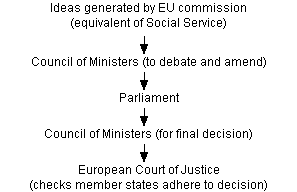
4. How decisions are reached in the EU
This treaty changed the way of life for all people living in the EU.
It pulled all member states closer by
replacing the currencies of EU countries with the Euro (The UK, Sweden and Denmark chose not to introduce the Euro)
introducing the same rights for all workers in every EU country (The UK did not sign the Social Chapter of the treaty)
by cooperating on issues such as drugs, refugees,terrorists and crime
by cooperating on defence
6. Widening Vs Deepening Debate
At present there is debate within the EU whether its role should be widened or deepened
Widening - Admitting more members (probably from Eastern Europe)
Deepening - Increasing the powers of the EU within the existing membership
Arguments for Widening
would open up new markets for exports increasing demands for goods - would help businesses and create jobs
would ensure peace across Europe and prevent East/West conflicts)
Arguments against Widening
could lead to increased migration from poorer countries - many would move to wealthier countries in search of jobs and a better standard of living
businesses might be attracted by low costs in East Europe countries (ie lower wages = bigger profits) This could lead to closure of factories in the West.
Arguments for Deepening
would provide closer unity among member countries
would help to create a "United Europe" where all member countries have closer links
Home 1 2 3
1 2 3 4