magmulat

BAHAY NA PULA>>BODEGA


Balik-tanaw sa subersibong(?) si Nora Aunor


The 1960s was breathing out an air of resistance, from women burning their bras to fire-breathing students raging against what they call an imperial lapdog that is this country

The resistive era gave birth to a brown skinned girl, an inch short of five feet (or maybe even smaller then) who had been wowing viewers of an amateur singing contest on TV for weeks. She was even weeks shy of the championships only to back out when a recording company already offered her a contract. Soon she started to have a TV show and a phenomenal fan base.

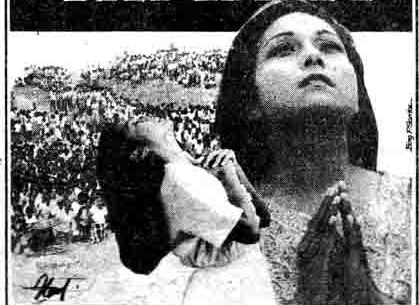
HimalaHimala
HimalaHimala


Not only did she manage to win the hearts of the people that abhor their brown color and petite frame, her rise to fame was in feverish heights, as fans and entertainment writers would have always gushed

As the “ultimate teenage musical idol,” she disposed the ticking bomba genre in Philippine cinema, an emerging sensation at that time. She put an end to a major convention: the studio system. By leaving Sampaguita Pictures, she proved that the movie star is a bigger force than the movie production outfit. The Vera Perezes of Sampaguita could not do anything but win her back.

That early, she proved to the sole force to reckon with. The lady's Bicolana charms took the masa's hearts by storm that they were dying to get a piece of her. At one point, as the late Inday Badiday's account has it, she had to be put into a bank safe.

Nora's voice could have been enough to ensure overnight success. But to enter a visual medium is another thing. Actresses then are fair-skinned girls who either came off as collegialas or products of the Olongapo Dream Factory.

Perhaps the only actors who are not of the meztiso/a mold then were Leopoldo Salcedo and Lolita Rodriguez, who, in an interview, admitted that a major movie studio declined her because her skin is not as creamy and as porcelain as the Gloria and Nida among the other screen goddesses of the 50s. Salcedo and Rodriguez, regarded as acting legends, managed to break the norms—but did not emerge as phenomenal acts.

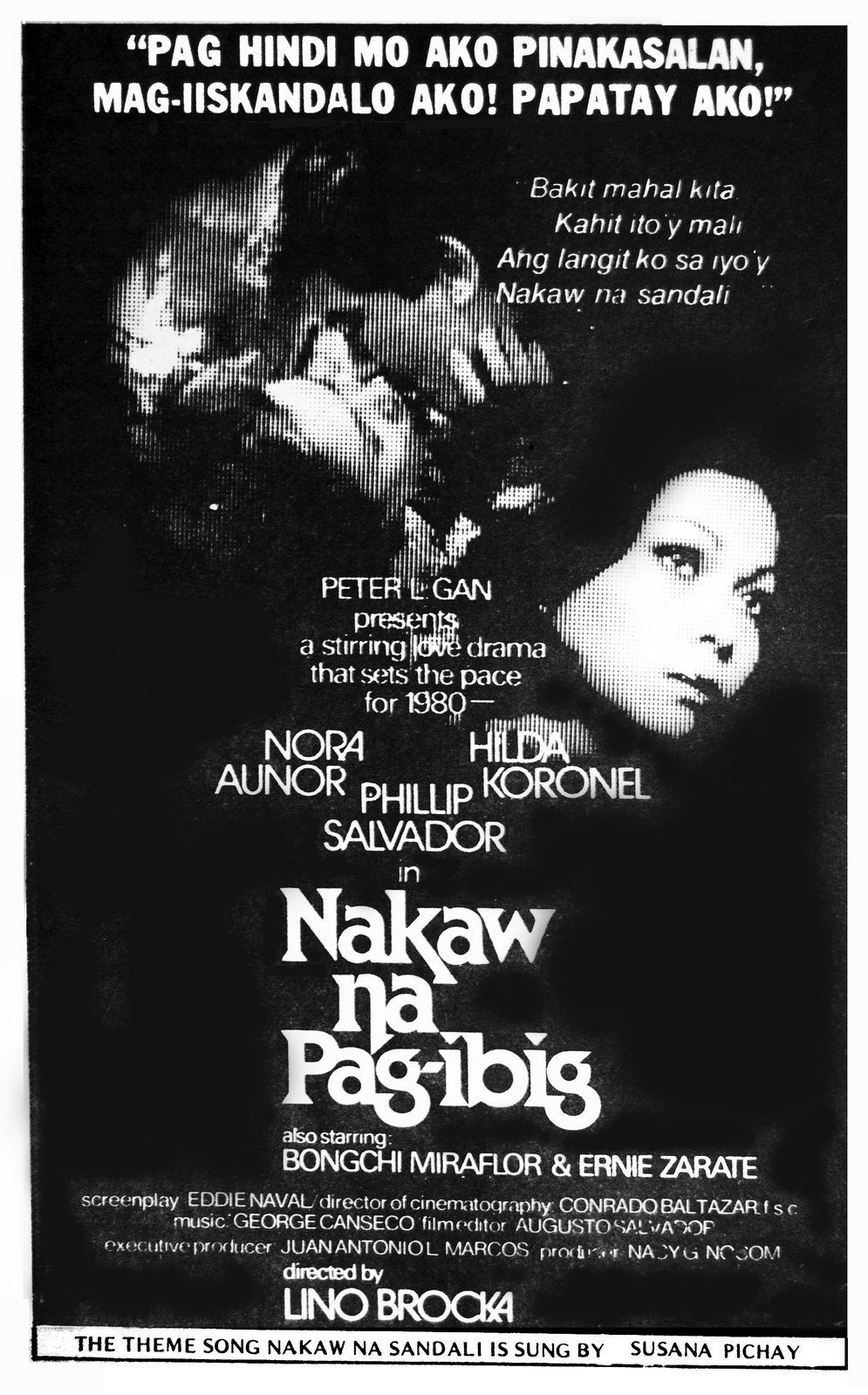
Nora Cinderella

But Nora broke existing norms at that time, proving it is not a matter of color, or height, or any other conventions. What furthered the flame of her popularity was a mestizo named Tirso Cruz III. The pairing created more amazement and surprise than if she were paired with an equally brown man, not to mention a killing at the box office. Nora may have subverted a long colonial tradition: that of, according to Nicanor Tiongson, as the transubstantiation of stage conventions like cenaculo into screen genres, and spun off colonial logic that weave values like “maganda ang maputi”

But Sharon’s blossoming and Vilma’s reemergence in the mid-80s pulled her down. For the above mentioned signaled the return of fair-skinned damsels to the top.

Nora’s phenomenon in the 60s and 70s explains how popular culture keeps itself alive. When clamor for certain fads die down out of monotony and sampu-singko proliferation, it opens its doors a bit wider—for the unconventional, even the resistive and rebellious figures and elements—to come in. Punk culture, for instance, claimed to be anti-pop culture, but, according to Ben Willmott, “punk arrived at a time when pop culture was under threat from the 'yawnsome' progressive rock and rescued it.” Sadly most deviations are used and abused for profit, until the next big thing comes.

Nora’s presence failed to make an industry open its doors a bit wider to other little brown dreamers who may have the talent but denied of color and looks. If they were allowed to enter show business, they end up as mere laughing stock.

When through Nora proved that the brown woman can be commoditized like her tisay counterpart, she did not proliferate in show business. Rather, the brown-skinned woman was tapped to work as a prostitute, a mail-order bride, an atsay, or an OFW1.

So, is she a subversion?

That Nora is a subversive force has truth in it. She once turned the tables and disproved the notions that beauty comes first before talent. She went on to transcend from a box office queen to an acting gem, earning accolades from writers Alberto Florentino and Nick Joaquin.

Sadly, her presence in the industry was not enough to overturn the norms of the Philippine movie industry. Nora failed to pass her throne to another talented girl of the same mold. Especially now in this age when whitening exfoliants and glutathione capsules abound, the industry did—and probably would—not allow that phenomenon to happen again.


MAARI RING SILIPIN:
Ang Hinubaran...


©2009, RUPERT FRANCIS MANGILIT. All Rights Reserved
Hosted by www.Geocities.ws

1