
KNOCKOUT OVERPRINT & TRAPPING | A COMPREHENSIVE GUIDE | By: Rodelio D. Balagot
| ARCHIVE DIRECTORY | KINDS OF PRINTING LAYOUT | IMPOSITION PUBLISHING | DESKTOP PUBLISHING |
Trapping Method
|
Printing Layout & Technique Knockout, Overprint and Trapping |
|
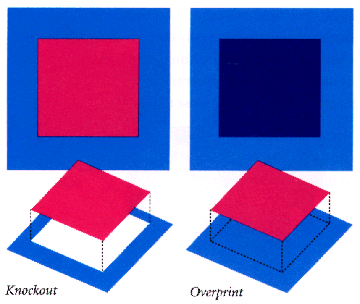
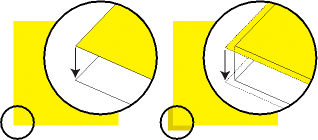
Although some printers prefer to create their own separations, it’s always good to understand the process. Be sure to communicate with your printer as they will specify their requirements, and will often give you tips for avoiding potential issues in the process. The Trap technique is when the bottom color “bleeds” under the top color, ensuring no gaps are left from inaccurate printing of the second color (when the so-called “registration” between the colors is “off”). The third technique, Overprint, is the easiest to achieve as the top color prints directly on top of the bottom color; often this produces a new color, as the top ink color is not always opaque. Why is Trapping needed? A flash is a white gap that appears between two relatively dark areas of color which are supposed to meet. This happens when the colors are made up of different separations and the separations do not register exactly on the border between the colors. A small area of paper remains unprinted, which, in contrast to the two darker colors, appears as a bright, very noticeable stripe.
Why is Trapping needed?
|