 |
 |
 |
| As the name (General Mines) suggests, the region of Minas Gerais experienced a gold-rush beginning at the end of the 17th century that produced massive amounts of gold and other precious minerals throughout most of the 1700s. As a result of this enormous wealth, a number of the region's towns developed beautiful churches and other colonial buildings that continues to attract visitors today. We had the opportunity to visit several of these cidades historicas (historical cities) during our time in Brazil. |
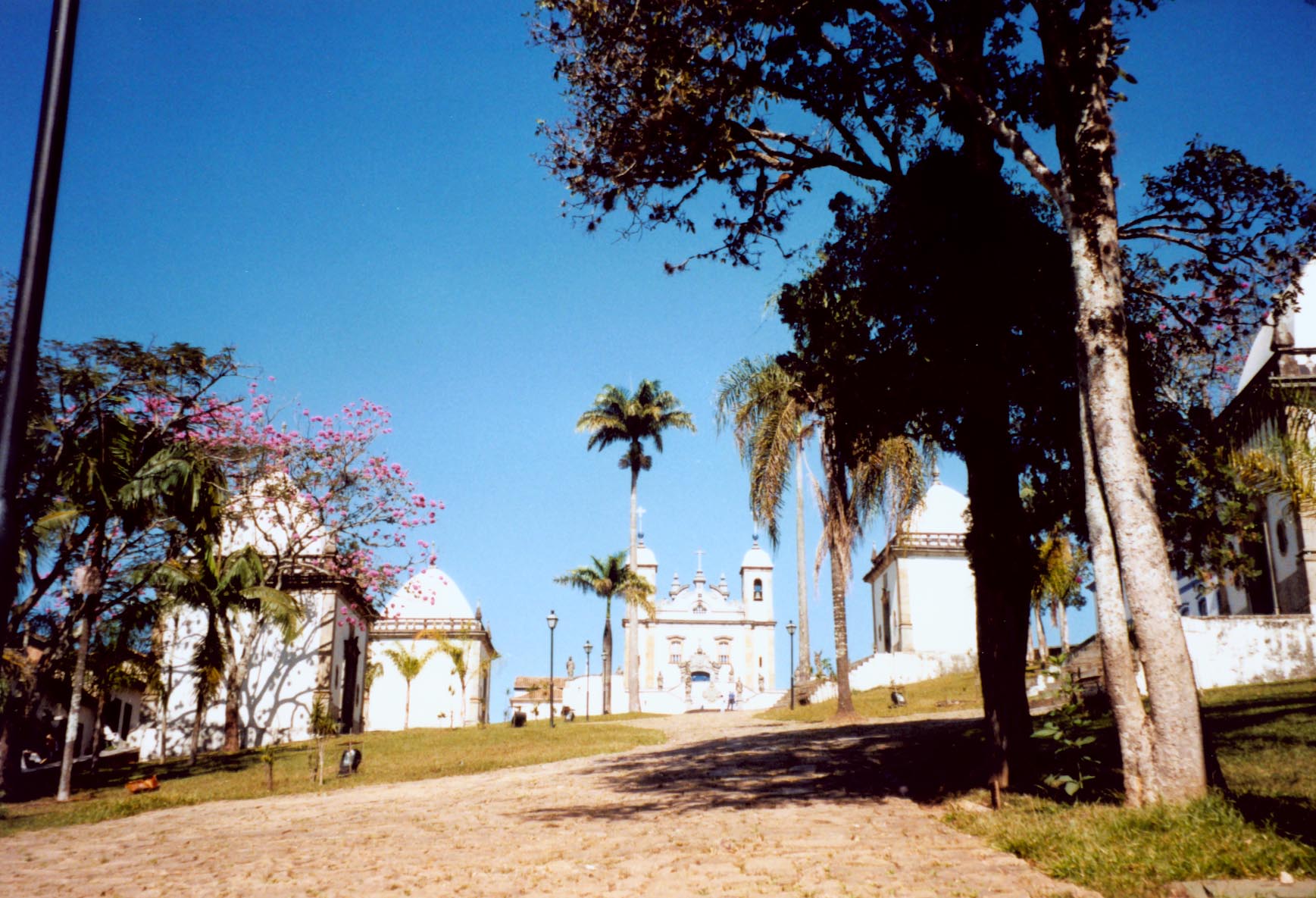
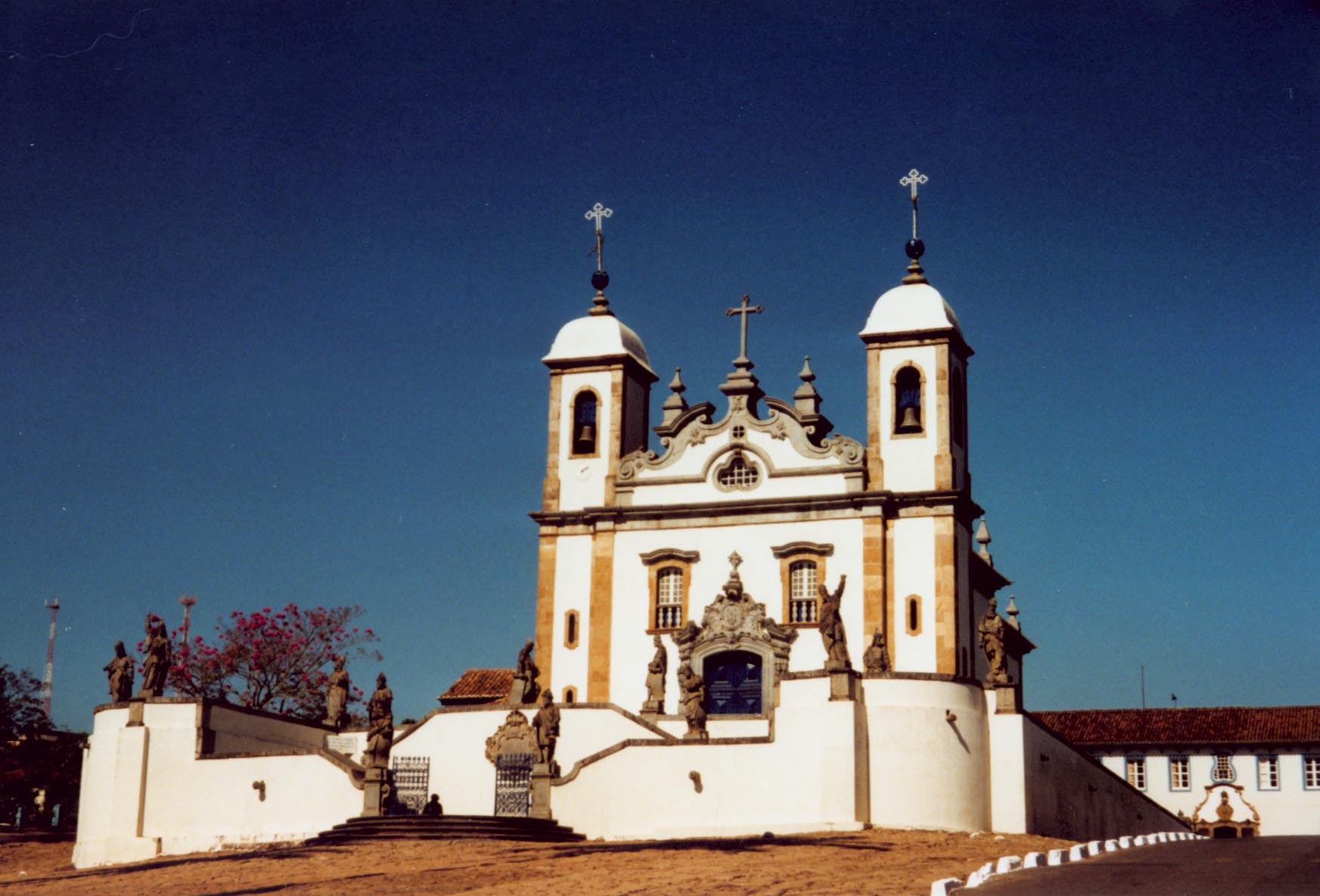
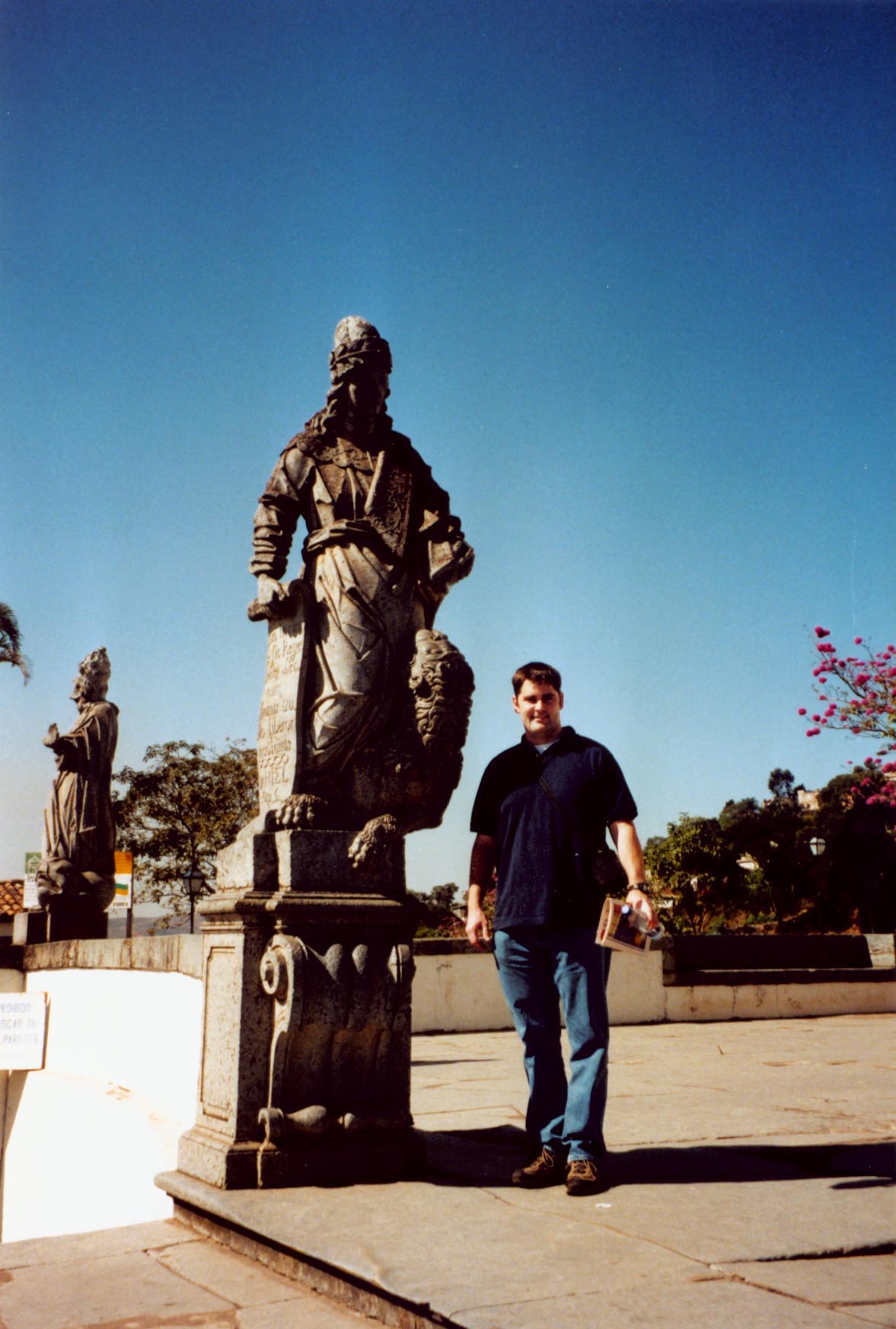
| Congonhas is a medium-sized town that has lost much of its colonial luster. However, the one remnant of colonial art and architecture that remains is spectacular. The church to the left is the Basilica do Bom Jesus do Matosinhos, and the statues in front are the 12 Prophets of Aleijadinho. |
| Aleijadinho was the son of a black slave and a Portuguese architect who lost the use of his hands and legs at age 30. Despite his disability, he carved out a place in history as one of Brazil's greatest artists, with a hammer and chisel strapped to his arms. Aleijadinho lived from 1730-1814, and he carved the 12 Prophets from soapstone from 1800-1805. Six of the prophets carry good messages, and six carry bad ones. |
| In addition to the prophets, Aleijadinho and his assistants sculpted six scenes from Jesus' life that are housed in small chapels lining the area in front of the Basilica. |
| CONGONHAS |
| Minas Gerais |
 |
| Click HERE to go to the next page of photos. |