GOA - The Land Blessed By Nature
Goan History
Its history dates back to the 3rd century when it belonged to the Mauryas, followed by the rule of the Satvahanas,
Chalukyas and then the Shilharas and Kadambas. In 1312, Goa fell into the hands of the Muslims when Harihara of the
Vijayanagar Empire evacuated the coastal area. The Muslim rule ended when the Portuguese took over in 1510.
The Territory of Goa, Daman & Diu was liberated from the Portuguese rule in the year 1961. Goa was incorporated as a
Union territory, in the Indian Union. 19th December is celebrated as the Goa liberation day.
On 30 May 1987, Goa attained statehood.
The People
Goans are an interesting mix of two religions, Hinduism, and Christianity. Conversions have led to relatives changing overnight to Christianity,
but, old family ties have remained. Members of both the communities partcipate actively in festivals, and fairs.
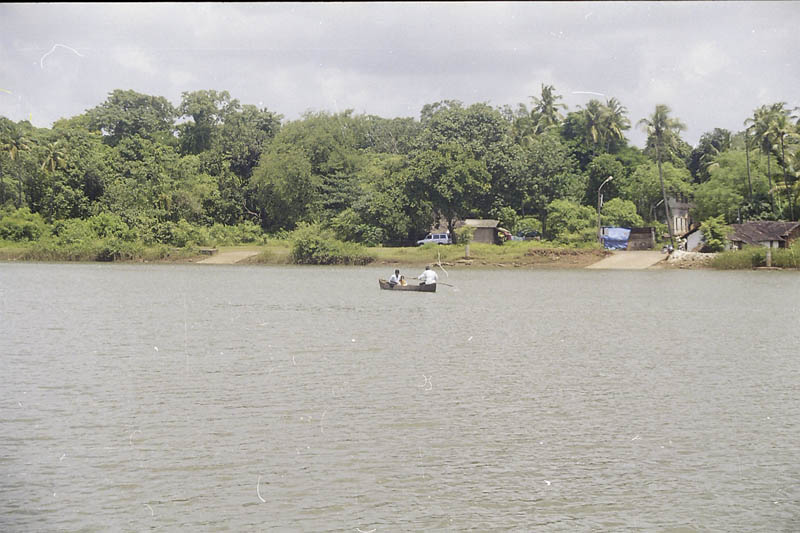 Goans are basically funloving people who like to wine, dine, and make merry. An average Goan will work hard to support himself and family,and yet have his afternoon siesta. Most common professions are agriculture, horticulture, fishing, mining and quarrying. Recent industrialization, and construction business has started increasing the working class population.
Unlike elsewhere in India, most of the Goan mines are privately owned. This is due to the existance of these companies since Portuguese times.
Goan economy was free at that time unlike the Nehruvian economy of the rest of the country. This also has led to a very strong presence of privately owned buses for transportation.
Thirty years after the Portuguese have left, Goa still retains the cultural and architectural bonds, by way of old mansions, and Culture ingrained in the Christian families. European culture has instilled a sense of discipline in the common man. Unfortunately these values are being lost rapidly, as modern culture, coupled with materialism has caught up with the Goans.
The Land and The Weather
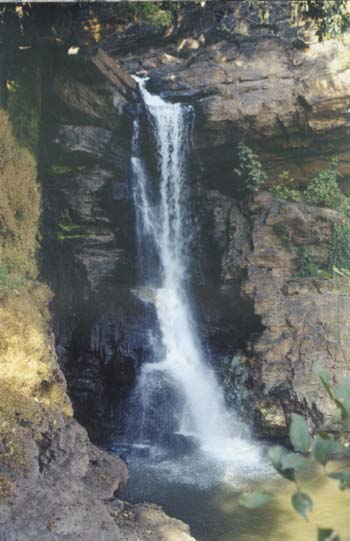 Goa is flanked by over one hundred kilometres (over 65 miles) coastline on the West, and the Western Ghats (hill range) on the East. The hill slopes are lined with evergreen trees, and rarely will you be able to find a bare hill.
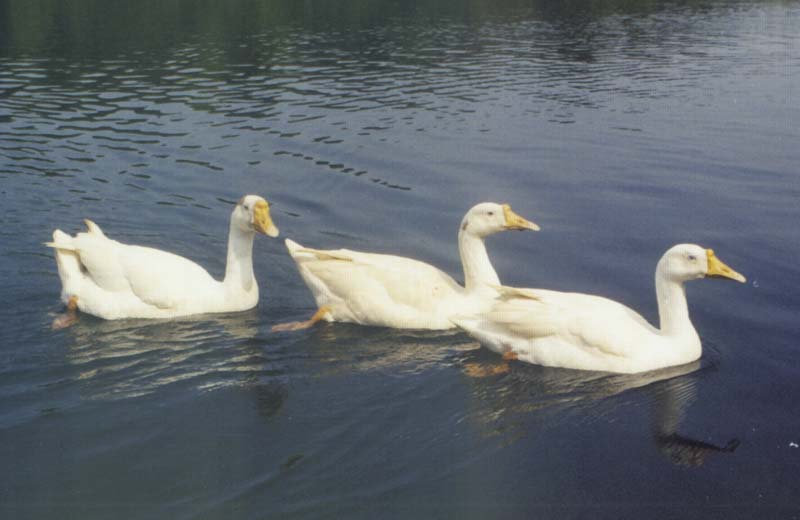
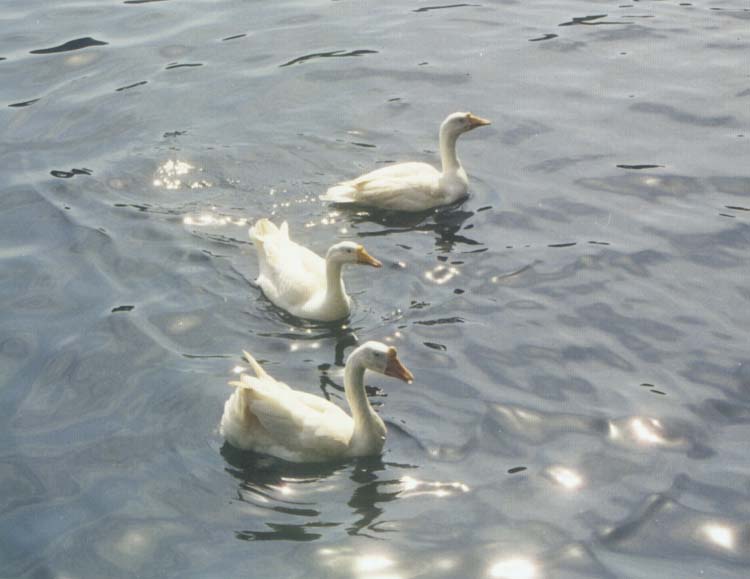 You will come accross trees like Coconut palms, Mango, Cashew nut, Betulnut, and Jackfruit to name a few. The plain areas are used for growing paddy. It is not uncommon to have paddy fields with a boundary of coconut palms. The climate is tropical, but not very hot.
Some data on the climate is given below.
Temperature: Maximum: 34° C, Minimum: 20° C
The humidity in Summer can be very high leading to heavy perspiration. Wear loose clothes in summer, preferably Cotton wear.
Rainfall:
May - June: Moderate(About 400-500mm)
July-August: Maximum(About 1500-1800)
September-October: Moderate (About 200-400mm)
The rains are a delight to see, as it can rain cats and dogs for days.
Clothing required: Tropical clothing throughout the year. Light woollen can be worn during December and January.
Moving Around in Goa
In the 1970s it was common to see roads wide enough for one bus to move and lined with coconut palms on both sides.
Now the roads are widened for a free flow of traffic. Goan roads are twisty, and have innumerable minor, and major climbs
on the way. Nine times out of ten you may find someone pop around that corner you decided to hone your cornering skills on.
It is useful to get the "Latest" map of Goa if you wish to move on your own.You may ask your hotel reception for
two wheelers available on hire for self riding, as this is a common practice.
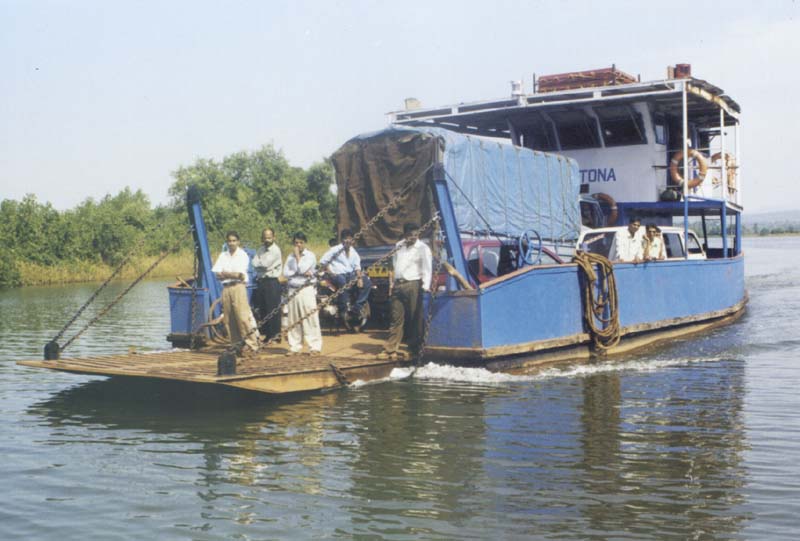 Be sure to ask if there is a bridge on the rivers,
if you see one crossing your path on the map, else you may have to check for any ferry point, and timings.
Be sure to ask if there is a bridge on the rivers,
if you see one crossing your path on the map, else you may have to check for any ferry point, and timings.
Goa tends to "sleep" by 8:00 pm, so ask for the timings of the last bus available along your route, if you are using public transport.
Reaching Goa
Goa is accessible by rail, road, and air.
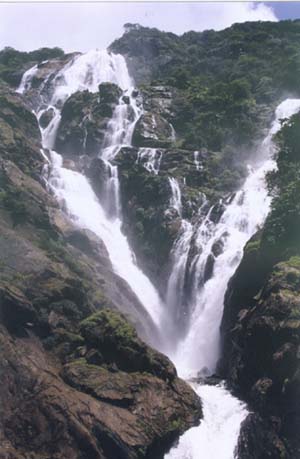
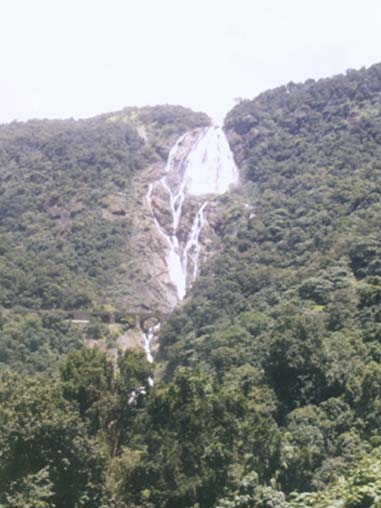
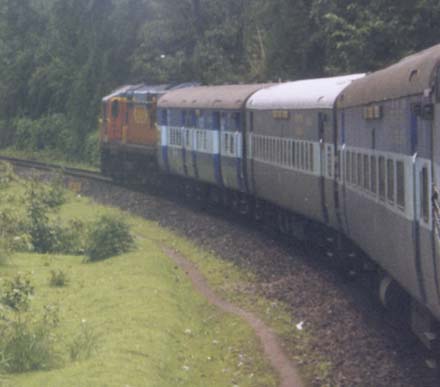 There are trains available to Goa from Delhi with stations in M.P and Maharashtra via Central Railway/ South Central railway, Mumbai and Konkan, Mangalore, and Thiruvananthapuram via Konkan railway. Most of Karnataka, and Chennai via South Central railway.
Goa is connected by road through Sindhudurg district in Maharahtra, and through Karwar, and Londa in Karnataka.
Goa has regular flights to Bangalore, Mumbai, and Delhi.
Some Useful Links to Goa
National Informatics Centre - A Government of India Site;
Indiamart- Travel information;
Official Goa Site;
The Goan page - GOENKAR! Interesting site. History section is worth it!
[Main Page]
[ME!]
[My Interests]
[Latest]