صفدر علي ڏوتيو
اي سنڌ ڄائي!

اي سنڌ جي شهيد راڻي!
اڄ تون اسان ۾ نھ آهين
پر تنهنجا جذبا، تنهنجا نظريا
هميشھ اسان سان گڏ رهندا
تون زنده آهين، تون زنده رهنديءَ
ٻين کي ڀي تون پياري هونديءَ
ٻيا ڀي تولاءِ روئن ٿا پيا
پر!
تنهنجي ڏک ۽ وڇوڙي کي
جيئن هي ڌرتي محسوس ڪري ٿي
ٻيو ڪو ڪئين محسوس ڪندو
تون سنڌ ڌرتي جي ڄائي آهين
تنهنجو درد سنڌ کي ئي آهي
سنڌ ڌرتي تولاءِ روئي پئي
تون جيجل سنڌ کي ڏا ڍي پياري آهين
جنهن توکي پنهنجو رتُ ۽ ستُ ڏنو
اها تنهنجي هر سوڀ تي
اها تنهنجي هر مرڪ تي
ڪيڏو خوش ٿيندي هئي
اڄ سنڌ ماءُ اداس آهي
اڄ سنڌ ماءُ اڪيلي ٿي وئي آ
ان جي اولاد کي شهيد ڪيو ويو آ
اڄ سنڌ تو لاءِ روئي پئي
اڄ مامتا تڙپي دانهين پئي
منهنجي ڌيءُ جو ڪهڙو ڏوه هيو
ڇوهن کي تڙپائي ماريو ويو
ڇو هن جي جذبن کي دفنايو ويو
اي سنڌ جي شهيد ڄائي!
اڄ تون شهريت جي بلندي تي
آهين
ڏيهه پر ڏيهه تنهنجي ناماچاري آهي
دنيا توکي ياد ڪري ٿي
تولاءِ ڳوڙها ڳاڙي ٿي
پر ڪو ئي ڇا ڄاڻي
تنهنجي سنڌ ماءُ تي ڇا گذري پيو
امن جي ڌرتي تنهنجي رت سان رڱجي وئي آ
اي سنڌ جي شهيد راڻي!
هي سنڌي ماڻهو
تنهنجا ماڻهو
وڃائي ويـٺا آهن
تو جهڙي هڪ بهادر نياڻي
جنهن دنيا ۾ سڃاڻپ ڏني سنڌ کي
اي سنڌ جي ماروي!
تنهنجي بابا پڻ اهو رستو ورتو هو
هن ڀي سڀني کي پنهنجي ڪرڻ جي ڪوشش ڪئي هئي
تو ڀي ساڳي راھ ورتي
توسان ڀي ايئن ٿيو
جيئين تنهنجي والد سان ٿيو
ساڳي جاءِ ماريا ويوءَ
اي سنڌ جي شهيد راڻي!
ٻيا تـ ڳوڙها ڳاڙي ويهي رهندا
پر تنهنجي ماءُ (سنڌ) تـ هميشه روئيندي رهندي
نقصان تـ اسان جو ئي ٿيو آ
هنن جو تـ ڪوئي نـ مئو آ
اي منهنجي ڌيءُ
ڏک تـ مونکي ئي مليا آهن
اولاد تـ منهنجي ئي شهيد ٿي آ
اي منهنجي راڻي!
دشمن منهنجو وجود نٿو چاهي
تڏهن تـ هو چونڊي چونڊي
منهنجي اولاد کي ماري ٿو
پر!
هي سورهيـ جن آ جان ڏني
تن جو رت رائگان نـ ويندو.......
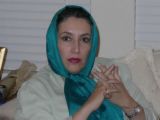

Benazir Bhutto Biography
Former Prime Minister of
Pakistan
Date of birth: June 21, 1953
Date of death: December 27, 2007
Bhutto herself was also arrested many times over the following years, and was detained for three years before being permitted to leave the country in 1984. She settled in London, but along with her two brothers, she founded an underground organization to resist the military dictatorship. When her brother died in 1985, she returned to Pakistan for his burial, and was again arrested for participating in anti-government rallies. She returned to London after her release, and martial law was lifted in Pakistan at the end of the year. Anti-Zia demonstrations resumed and Benazir Bhutto returned to Pakistan in April 1986. The public response to her return was tumultuous, and she publicly called for the resignation of Zia Ul Haq, whose government had executed her father.
She was elected co-chairwoman of the Pakistan People's Party (PPP) along with her mother, and when free elections were finally held in 1988, she herself became Prime Minister. At 35, she was one of the youngest chief executives in the world, and the first woman to serve as prime minister in an Islamic country.
Only two years into her first term, President Ghulam Ishaq Khan dismissed Bhutto from office. She initiated an anti-corruption campaign, and in 1993 was re-elected as Prime Minister. While in office, she brought electricity to the countryside and built schools all over the country. She made hunger, housing and health care her top priorities, and looked forward to continuing to modernize Pakistan.
At the same time, Bhutto faced constant opposition from the Islamic fundamentalist movement. Her brother Mir Murtaza, who had been estranged from Benazir since their father's death, returned from abroad and leveled charges of corruption at Benazir's husband, Asif Ali Zardari. Mir Murtaza died when his bodyguard became involved in a gunfight with police in Karachi. The Pakistani public was shocked by this turn of events and PPP supporters were divided over the charges against Zardari.
In 1996 President Leghari of Pakistan dismissed Benazir Bhutto from office, alleging mismanagement, and dissolved the National Assembly. A Bhutto re-election bid failed in 1997, and the next elected government, headed by the more conservative Nawaz Sharif, was overthrown by the military. Bhutto's husband was imprisoned, and once again, she was forced to leave her homeland. For nine years, she and her children lived in exile in London, where she continued to advocate the restoration of democracy in Pakistan. In the autumn of 2007, in the face of death threats from radical Islamists, and the hostility of the government, she returned to her native country.
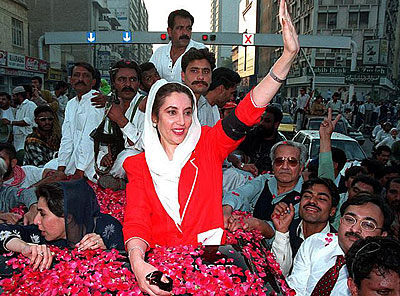
Although she was greeted by enthusiastic crowds, within
hours of her arrival, her motorcade was attacked by a suicide bomber. She
survived this first assassination attempt, although more than 100 bystanders
died in the attack. With national elections scheduled for January 2008, her
Pakistan People's Party was poised for a victory that would make Bhutto
prime minister once again. Only a few weeks before the election, the
extremists struck again. After a campaign rally in
Rawalpindi, a gunman fired at her car before detonating a bomb, killing
himself and more than 20 bystanders. Bhutto was rushed to the hospital, but
soon succumbed to injuries suffered in the attack. In the wake of
her death, rioting erupted throughout the country. The loss of the country's
most popular democratic leader has plunged Pakistan into
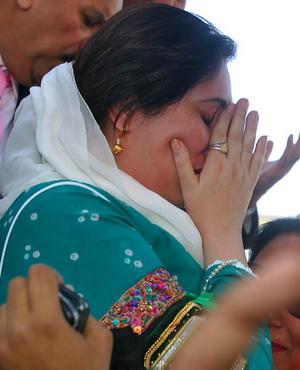
Benazir Bhutto told
"When I first got elected, they said: A woman has usurped a man's place! She should be killed! She should be assassinated! She has committed heresy!"
At age 35, Benazir Bhutto was one of the youngest chiefs of state in the world. More than that, she was the first woman ever to serve as prime minister of an Islamic country, but the road that brought her to power had already led through exile, imprisonment and devastating personal tragedy.
Only days after young Benazir Bhutto returned to her native Pakistan from university studies abroad, the country's elected g
vernment was overthrown. Her father, Prime Minister Ali Bhutto, was imprisoned and eventually executed. Young Benazir too was repeatedly arrested, then imprisoned, and finally forced into exile, but she never abandoned the hope of restoring democracy to her homeland.
She returned to lead a pro-democracy movement, and when free elections were finally held in Pakistan in 1988, Benazir Bhutto herself became Prime Minister. She made hunger and health care her top priorities, brought electricity to the countryside, and built schools all over the country. Although she was herself a devout Muslim, her reforms frequently brought her into conflict with the same religious fundamentalists who had opposed the election of a woman as Prime Minister. She was elected a second time in 1993, but the president of the country dismissed her from office and dissolved the National Assembly. A military coup drove her from the country yet again, but after more than eight years in exile, Bhutto returned to Pakistan in 2007. Weeks before a national election in which Benazir Bhutto and her party were expected to prevail, she was assassinated by a suicide bomber. Her death is a devastating loss to her country and to the cause of democracy.
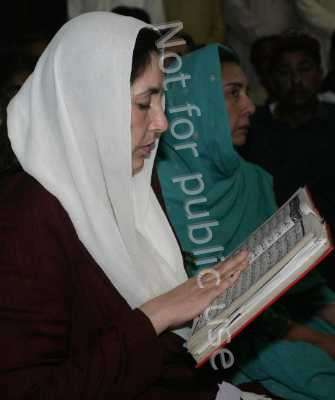
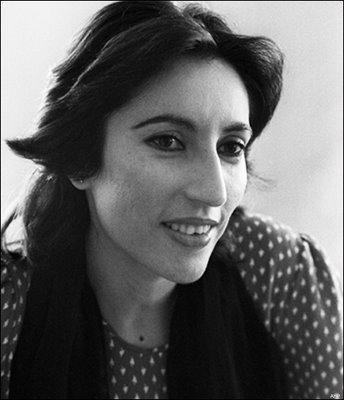
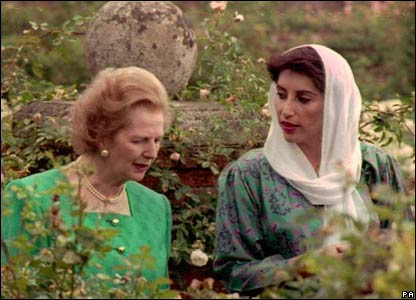
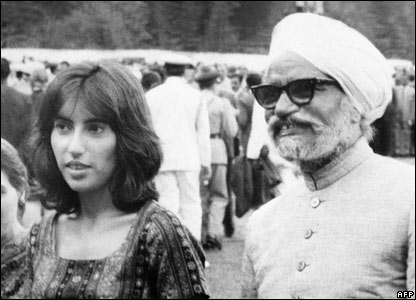
Benazir Bhutto was part of a political dynasty. Here she is with India's foreign minister in 1972 in Simla, where her father, President Zulfiَqar Ali Bhutto, met India's Indira Gandhi.