
Back into Space
The International Space Station
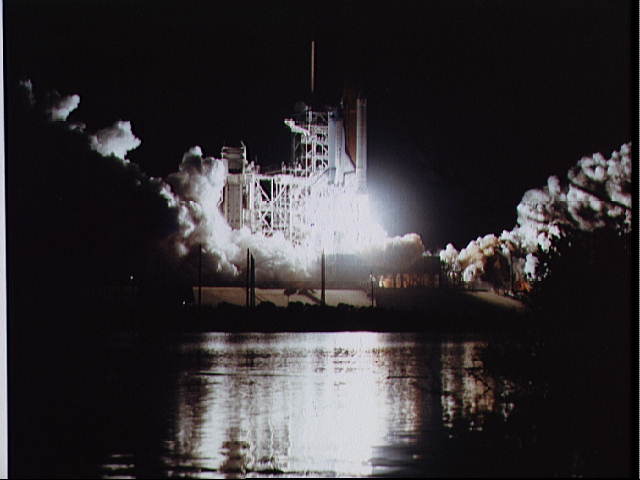
The space shuttle resumed flying on Sept. 29, 1988, with the launch of the redesigned shuttle Discovery. The main purpose of the five-man mission was to place a communications satellite into orbit.During the next five years, many long-delayed missions were carried out. Astronauts launched a number of unmanned space probes, such as Galileo, Magellan, and Ulysses. Large scientific research satellites such as the Hubble Space Telescope, the Compton Gamma Ray Observatory, and the Upper Atmosphere Research Satellite were placed into orbit. In 1993, a shuttle crew flew to the orbiting Hubble Space Telescope and repaired its optical system.
Shuttles also launched military satellites and communications satellites. Spacelab research missions studied astronomy and space medicine. A less ambitious launch schedule was worked out, and major delays became less frequent.
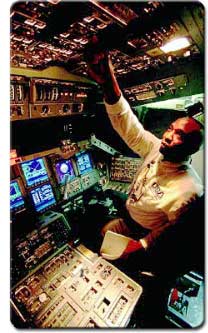
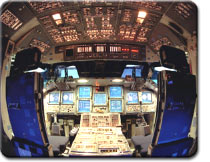
NASA also made inprovements in the shuttle fleet. New couputers and life-support hardware were installed. A drag parachute and new breaks made landings easier to control. The computerized autopilot and life-support systems were also improved.