 |
|
|
|
|
|
|
|
|
|
|
|
|
|
|
|
|
|
|
|
|
|
|
|
|
|
|
|
|
|
|
|
|
|
|
|
|
|
|
|
|
|
|
|
|
|
|
|
|
|
Kiyomizu-dera Temple |
|
|
|
 |
|
|
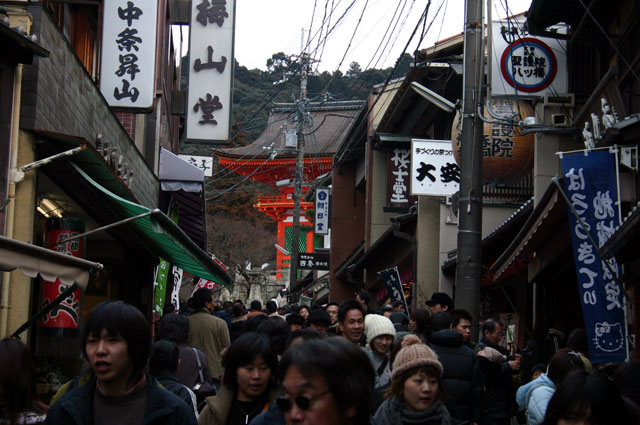
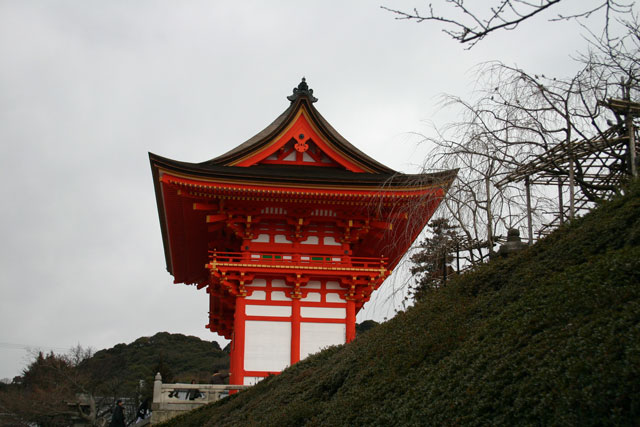
Kiyomizu means "clear water," the name comes from the springs flowing through the grounds. The temple property has over 30 buildings. It was first built in 798, only four years after Kyoto was found. It takes a long walk up a steep hill to enter the grounds. the two streets that lead up are lined with shops and vendors selling traditional items. Speciality shops offer fans, fabric and food, or swords, dolls and sweets. It took us all day Saturday to wander the two streets and temple buildings. |
|
|
|
|
|
|
 |
|
|
 |
|
|
|
|
|
|
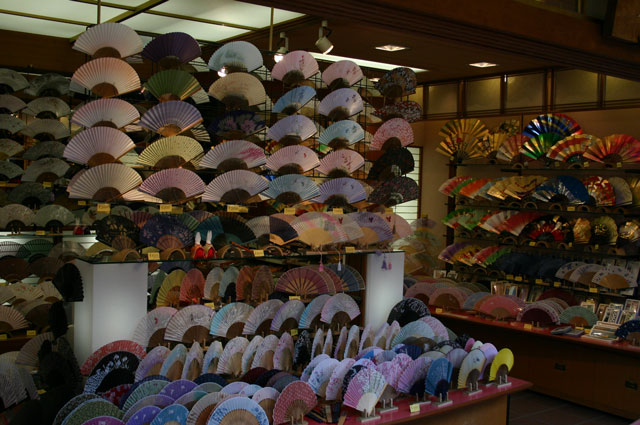
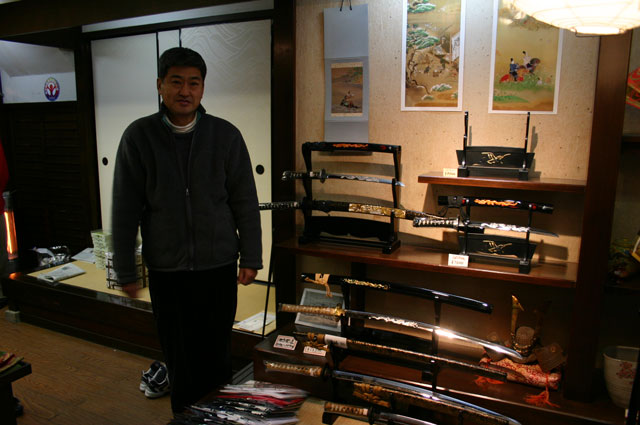
This sword shop owner sold me a 24" sword and stand; fan shops offer an infinate variety of styles and colors. Some fans costs several hundreds of dollars, while others were available for $20. |
|
|
|
 |
|
|
|
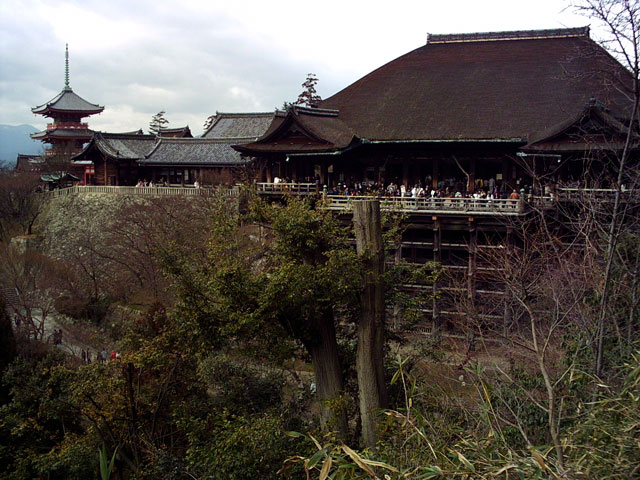
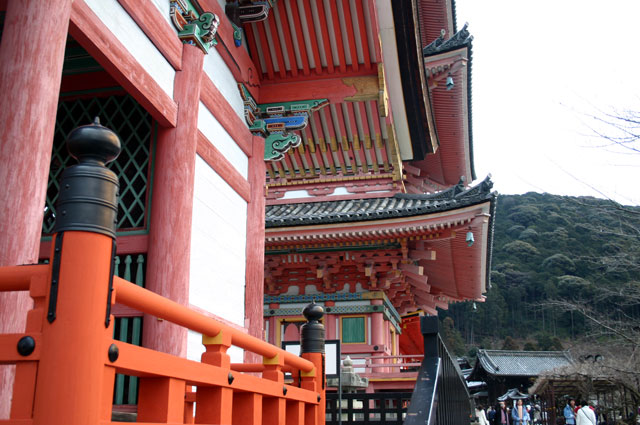
The Main Temple Building architectually is one of the most beautiful temples in Kyoto, with its wooden balcony is an excellent example of traditional Japanese wooden structure built without the use of a single nail. |
|
|
|
|
|
 |
|
|
|
|
 |
|
|
|
|
|
|
Many of the thirty shrine buildings are ornately and intricately painted. The orange and pink colors stand out against the dark hills. Some of the buildings are 400 or more years old. The buildings are built in similar patterns for each region of Japan. |
|
|
|
|
|
 |
|
|
|
 |
|
|
|
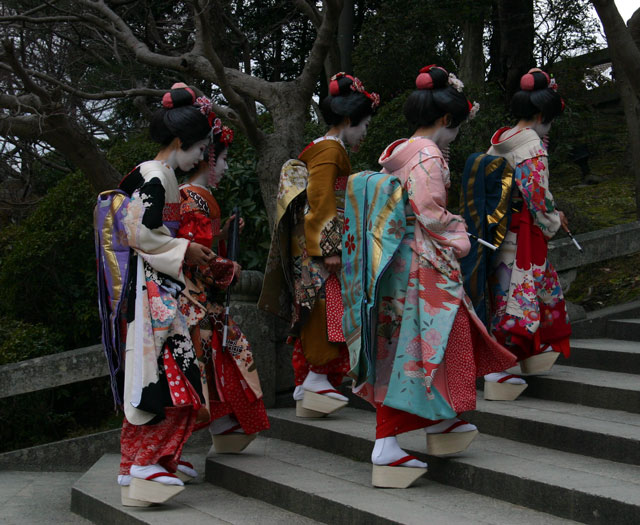
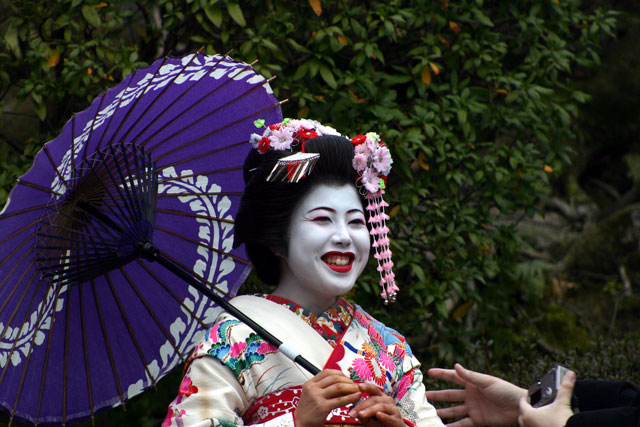
We saw many Maiko around the temple. Maiko are apprentice geisha. Geisha are instumental, dance and poetry performning artist. They have painted white faces and necks. The Maiko wear the long hanging obi, tall koppori clogs and an underkimono with embroidered collars. When they become full fledged geisha they exchange the embroidered collar for an all white one. |
|
|
|
|
|
|
|
|
 |
|
|
|
|
|
|
|
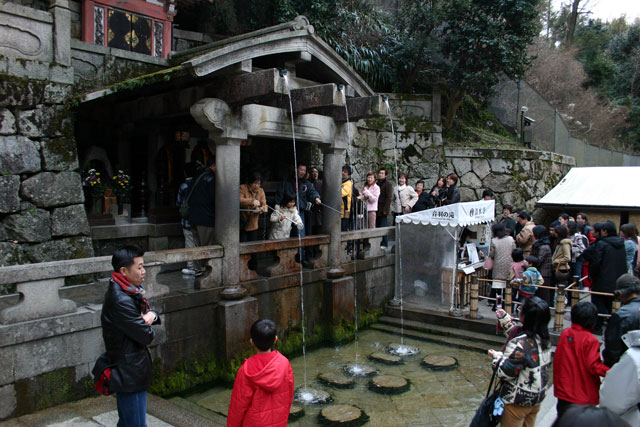
The Otowa Waterfall, whose pure water (Kiyomizu) is the source of the temple's name, is a polpular site. One fall represents wisdom, the second represents longevity and the third is beauty. For a small fee, you can reach a cup full with a long pole and drink the cold water. |
|
|
|
|
|
|
 |
|
|
|
 |
|
|
|
|
|
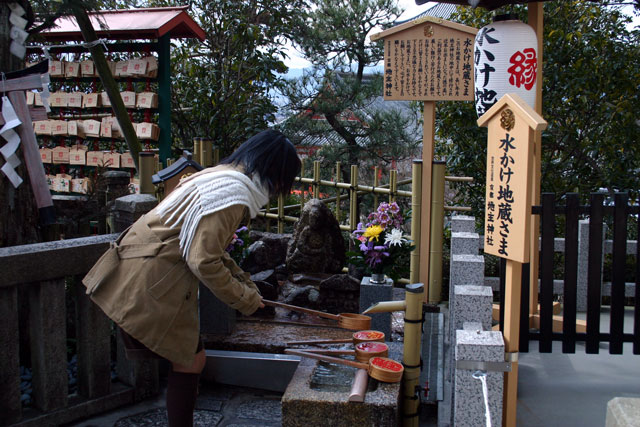
Behind the main temple are many booths for praying for specific needs. The Jishu Shrine is famous for it's 2 Love Rocks, and prayer stalls for romance and good health for women and babies. |
|
|
|
 |
|
|
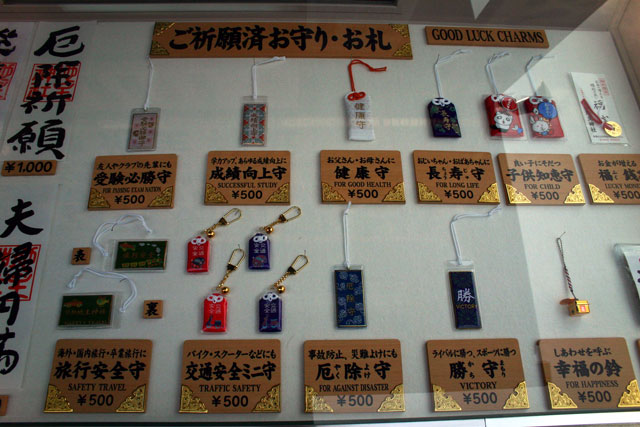
Over 30 charms are avilable for purchase. Most of these are carried on school bags or cellphone cases. |
|
|
|
|
|
|
 |
|
|
|
|
|
 |
|
|
|
Heinan Shrine and Nijo-jo Castle |
|
|
|