
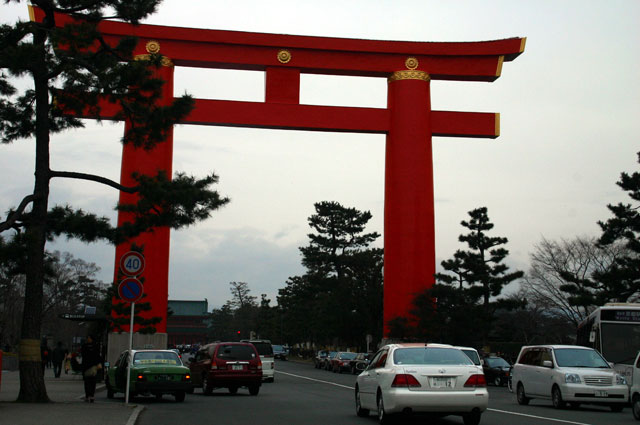
Outside Heian is the large Torii. This is an entrance gate that seperates the everyday world from the divine inside.


Tourist Travel Guides.
|
|
|
|
|
|
|
|
|
|
|
|
|
|
|
|
|
|
|
|
|
|
|
|
|
|
|
|
|
|
|
|
|
|
|
| Heian Shrine and Nijo-jo Castle | ||||||||||||||||||||||||||||||||||
|
||||||||||||||||||||||||||||||||||
| Heian- jingu Shrine, one of the newest historic sites, was built in 1895 to mark the 1100 anniversary of the founding of Kyoto. A walk around the large shrine grounds reveal one of the finest gardens in the area. The streams, ponds and gentle walkways are serene, no matter how crowded the day. Outside Heian is the large Torii. This is an entrance gate that seperates the everyday world from the divine inside. |
||||||||||||||||||||||||||||||||||
|
||||||||||||||||||||||||||||||||||
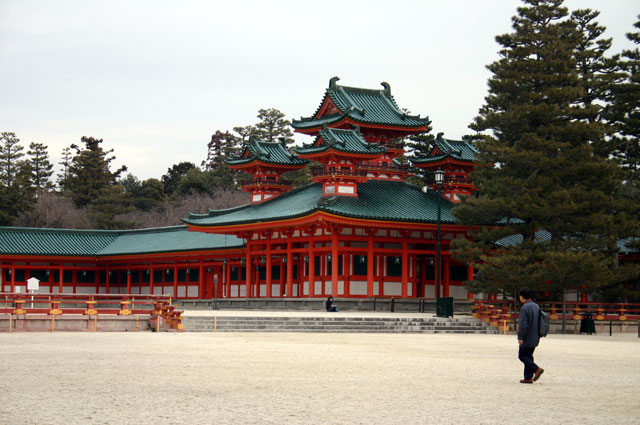
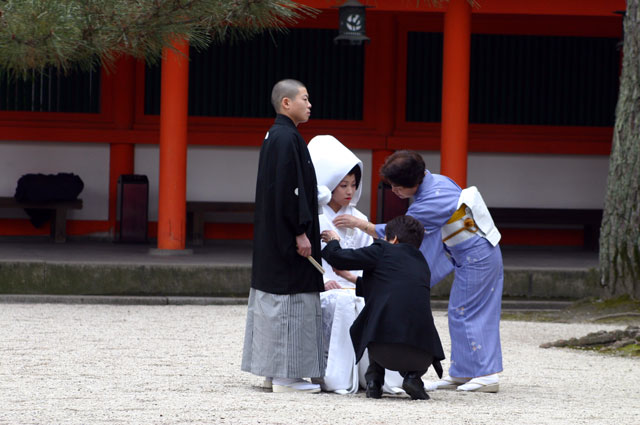
| The Great Hall of State was designed on a small scale from the first Imperial Palace of 737. It's colors and layout were specific to ward off evil and misfortune. The foreground is the site of the annual Jidai Matsuri. This festival features over 2000 costumed people representing every period of Kyoto's history. It is also used for wedding cermonies today. | ||||||||||||||||||||||||||||||||||
|
||||||||||||||||||||||||||||||||||
| The bride and groom are attend to by the photographer. We watched as the family joined them, all dressed in traditional kimonos. An older Japanese man told us to watch the wedding and that it was a special day for us to be there. | ||||||||||||||||||||||||||||||||||
|
||||||||||||||||||||||||||||||||||
|
||||||||||||||||||||||||||||||||||
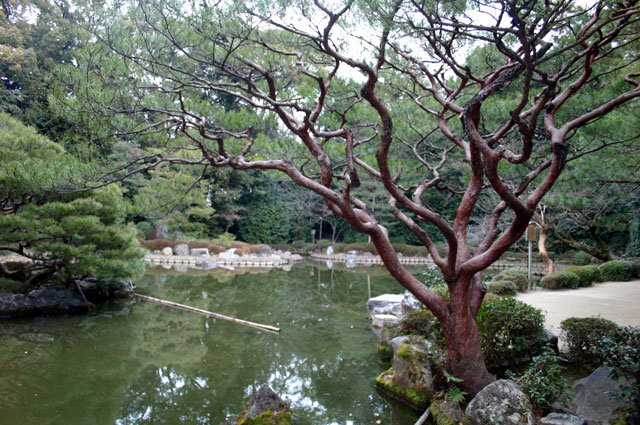
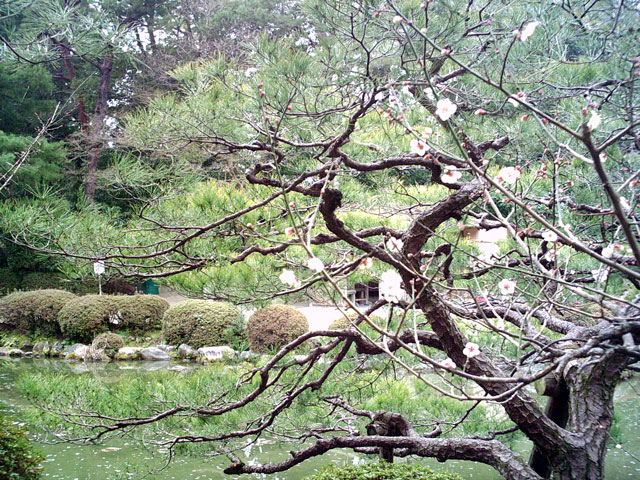
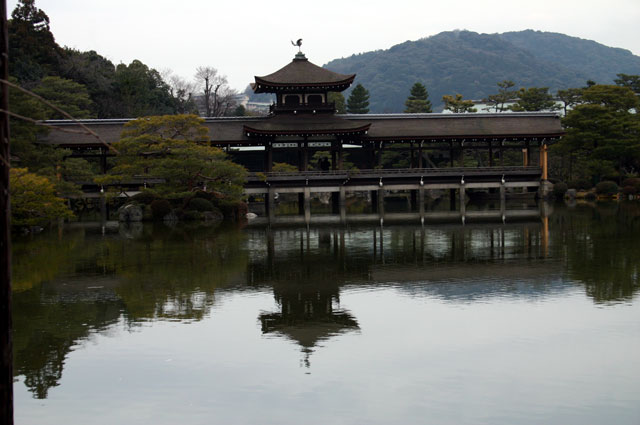
| The garden walk is a peaceful place in the midst of a busy mordern city. Red and white flowered plum trees gave off a perfume through the area. We had to follow stepping stones across the pond and then came around a turn to view the bridge spanning two areas. The pond has large boulders arranged so that one can only see 14 at a time. The number 15 signifies perfection, so one can look and almost see perfection. | ||||||||||||||||||||||||||||||||||
|
||||||||||||||||||||||||||||||||||
|
||||||||||||||||||||||||||||||||||
|
||||||||||||||||||||||||||||||||||
| Nijo-jo castle | ||||||||||||||||||||||||||||||||||
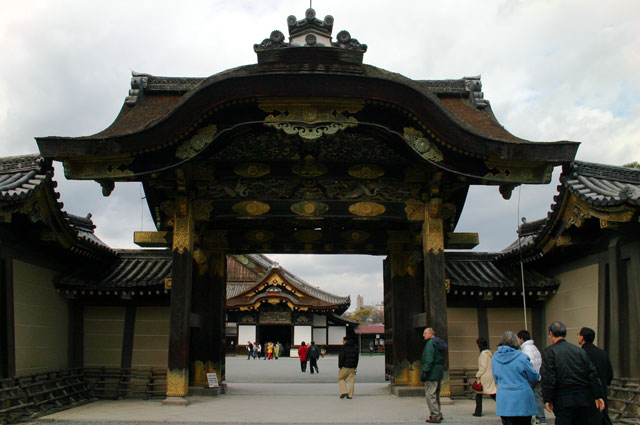
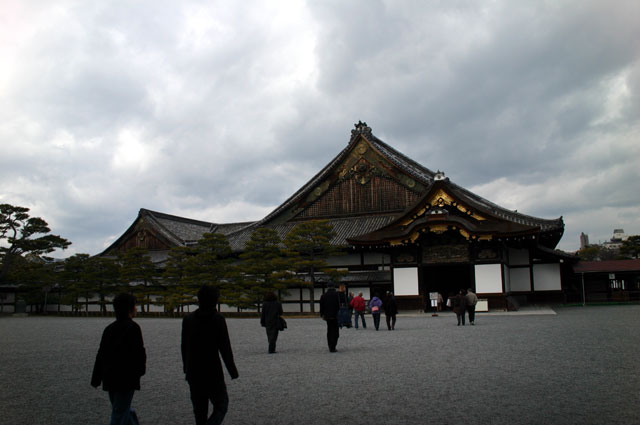
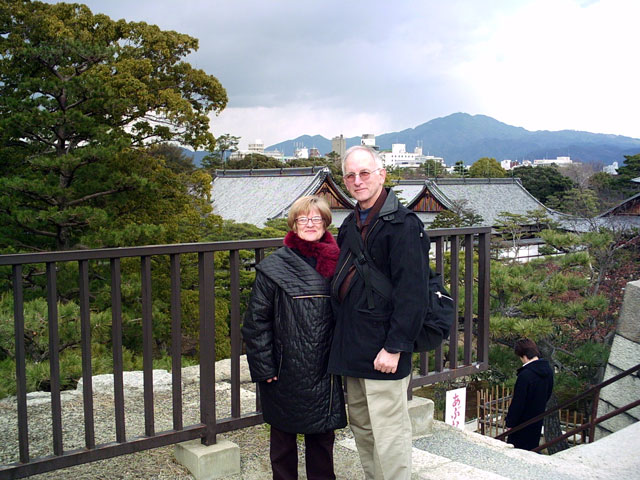
| Our last stop was at Nijo-jo Castle. The mote and high walled castle was made to epitomoize the political and military power of Shogun Tokugawa Ieyasu. The entrance gate features detailed carvings and brass overlays. The castle itself is larger than a football field. Its six interlaced buildings are all connected by walkways for Imperial guests. The floors were specifically constructed as "nightengale floors" to" sing" whenever anyone walked upon them to warn of intruders. The massive rooms featured walls painted with tigers, birds and mountain scenes. The most important room, the Ohiroma, featured a raised platform for the shogun to greet important visitors. We stood on the high guard embankment to have a great view of the grounds and Kyoto. Kyoto is worth a return visit. | ||||||||||||||||||||||||||||||||||
|
||||||||||||||||||||||||||||||||||
|
||||||||||||||||||||||||||||||||||
|
||||||||||||||||||||||||||||||||||
| Some of the information about the temples, shrines and castle were from Tourist Travel Guides. |
||||||||||||||||||||||||||||||||||