
Egyptian
In Egyptian religion the great temples played an important role in society, where statues of gods were worshipped by priests. The faith of ordinary people were based on nature worship, ancient myths and a large number of different dieties.
From the Egyptian myth of creation came a group of nine divinites (known as the ennead) and the traid ( consisting of a divine father, mother and son). Every local temple in Egypt had it's own traid, the greates ennead was of Ra and his children and grandchildren.This group was worshipped at Heliopolis, the centre of Sun Worship in Egypt.
Other important divinties included the gods Amon, Thoth, Ptah, Khnemu, Hapi and the goddesses Hathor, Mut, Neit and Sekhet.
The egyptian gods were respresented with human bodies and human/animal heads. Sometimes the animal features were used to represent the characteristics of the gods. They were also represented by symbols, such as the sun disc and hawk wings that were worn on the headress of the pharaohs.
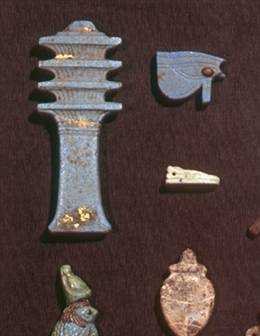
Amulets
Egyptians used amulets that were worn by both the dead and living for protection and sometimes to access the powers of the gods or of animals. Amulets were made from different materials such as metals, stone, wood, glass and glazed, coloured earthware.
Funery amulets were placed in tombs and included funery dieties such as Anubis. The Book of the Dead gave instructions to which amulets should be used and where they should be placed. The girdle of Isis was always red, representing the blood of the Goddess and the Wadj/Papyrus amulet was either blue/green which represented the promise of new and eternal life.
Amulets were intended to protect the deceased in the afterlife and help ressurect them after death. They were either worn around the neck or pushed between the bandages of the mummy.
Khepesh/Ox Leg - Indicated the power of the Gods.
Akhet/Horizon - Symbolized the sunset and sunrise.
Weres/Headrest - Raised the head of the dead so that they could always see the sun.
Wadj/ Papyrus - Symbolish regeneration.
Djed Pillar - Symbolzed eternity and gave stability.
Ib/Heart - The centre of the bodys mind and emotions.
Ankh - Symbolized life and power.
Necklace Counterpoise - Used in the cult of hathor.
Scarab - Symbolized creation and resurresction, the most important funery amulet used. It was placed on the heart of the deceased and was supposed to help guide them through the heart ceremony and into the afterlife.
Life After Death
This was very important in Egyptian relligion, the Ancient egyptians saw death as the beginning of a new existence. They believed in a life force called the Ka which was like the soul of a person which was believed to exist within the body only, so care was taken to preserve dead bodies. The Ka was beleived to be judged along the way into the afterlife.
Embalmers were priests that were responsible for mummification, their job was to preserve the body and the internal organs in canopic jars using ointments and linen.
There were four different canopic jars used:
1. Human headed Imsety - Contained the liver.
2. Jackal headed Duamutef - Contained the stomach.
3. Ape headed Hapy - Contained the lungs and
4. Falcon Qebehsenuef - Contained intestines.
Once this was done the bdy of the deceased was dried out using bicarbonate of soda, treated with salves and resin and wrapped in linen bandages. After this the mummy was placed in a sarcophagus and then a funeral ritual would take place, everything that the deceased might need in the afterlife was taken into their tomb including clothes, food, jewellery, writings and furniture then sealed in the chamber of the tomb with the body and canopic jars.
Before entering the Underworld, the deceased had to face a divine tribunal. Their deeds on earth were judged by 42 assisatants of Osiris before him. The heart ceremony was considered to be the most imporatnt test of all, as the person's heart would be weighed against a feather symbolizing the deeds performed in their life which could enable them to pass or fail the test and determine whether they could enter the afterlife.
The Babylons
The Babylonians followed the Sumarian religion. They believed that the universe was ruled by a pantheon (manifestations of Gods and Goddesses) comprising a group of human living beings that were immortal and had super human powers. These beings were considered to be invisible to mortal eyes and were guided and controlled by the cosmos.
The Divine God was Marduk, a tribal God who was granted leadership after defeating Tiamet, a goddess of chaos. It was believed that after his victory he aligned the planets, stars and earth in order and created the human race.
Other imporatnt dieties were worshipped as well such as Eu, God of wisdom, Sin, God of the Moon, Shamash the God of the sun and justice and Ishtar the Goddess of love and war. Each diety had a temple associated with them in Babylonian cities. Temple services were conducted outside containing altars for sacrifices.
Sacrifices were performed daily, consisting of animal, vegetables, food, wine, water, beer and incense burning. Numerous festivals were celebrated annuly and moon festivals took place every month. An important festival was spring equinox which lasted 11 days and included rites of purification, sacrifice, propitiation and absolution. They also had a sacred marriage cermony which symbolized the ritual union of Marduk and his wife.
They had ethical beliefs of truth, justice, order, freedom, learning, courage and loyalty. Immoral acts were believed to be punished by the Gods and they also practiced knot magic to control love, fortune and health through the tying and untying of knots.
Greece
The Ancient Greek religion was polythiestic, their magical beliefs were old. Names, alphabets and letters were thought to have sacred, magical powers and sacrifices were often performed when a new building was being built. Animals were often used for this purpose.
The Mayans
The principal diety worshipped was Itzamna (Lizard House) who was the supreme creator and Moon diety. The Mayan calender year began when the sun crossed the zenith which was on July 16th and lasted 365 days of which 364 were divided up into 28 weeks of 13 days. The new year would begin on the 365th day.
The Mayan religion centred around the worship of a large number of nature Gods. Chac, a god of rain was imporatant in rituals. A circle was sacred to the Mayans as it represented life as a complex web where everything was connected and equal. Medicine wheels were used and constructed from stones and aligned to the summer solstice. Medicine bundles were used for protection, seeing visions and sun dances. these bundles contained feathers, pebbles, seeds, wood and animal claws which represented the natural world.
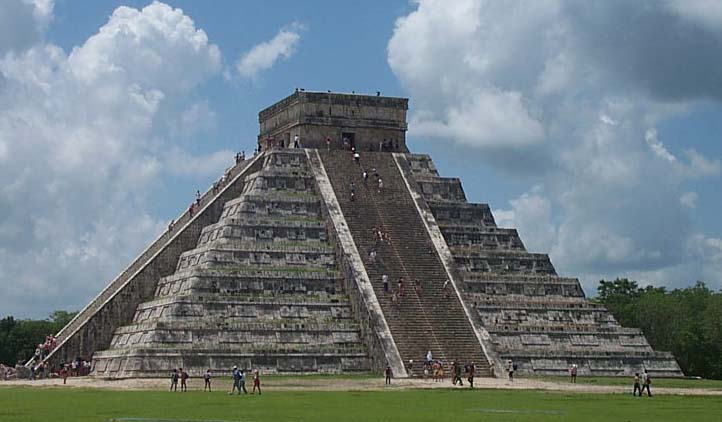
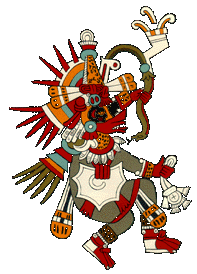
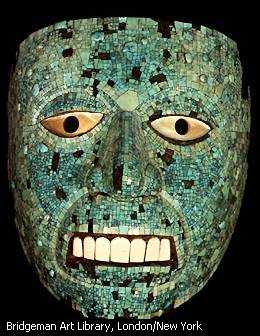
In the Aztec religion, numerous gods ruled over daily life. The main gods and goddesses worshipped were Uitzilopochtli (Sun God), Coyolxauhqui (Moon Goddess), Tlaloc (Rain God) and Quetzalcoatl( Inventor of writing and the calander).
Traditional Inuit beliefs followed anism ( a belief in natural phenomna as being due to spirits and also the belief that inanimate objects have spirits). It was believed that these spirits could only be controlled by magical charms and talismans.
Shamanism was practiced and shamens were consulted to heal illnesses and resolve serious problems. Rituals were performed for animals that were killed for food and any unused parts of the animal were returned to the place where it was found so that their spirit could be reborn.
African Magic
Early African religion consisted of Shamanism involving ceremonial dances and trance work. The religious writings show alot of creation myths portraying humans as having bonds with many Gods and Goddesses and also relationships among people and animals.
Many types of divination skills were practiced and some remain today, ranging from complex oracular systems to intuitive techniques. Materials used included pine kernals, small animal bones, leather tablets and sacred texts.
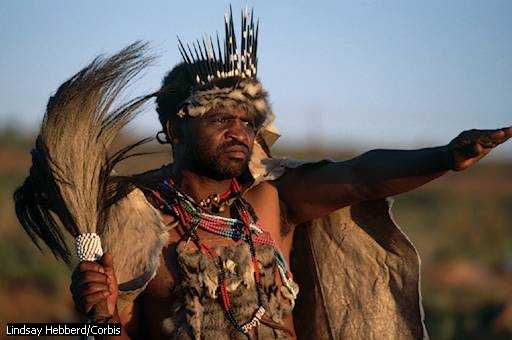
Many illnesses were believed to be a combination of spiritual, pyschological and social factors and were treated by ritual, medical and social remedies. In cases of serious illnesses that didn't respond to treatments, religious specialists- diviners, priest, prophets, mediums and medicine men were called upon to use their access to the spiritual world to diagnose the causes.
In African religion, rites of passage and sacrificial rites were practiced. Rituals often involved sacrifices: blood sacrifices in the form of aniamal offerings to the gods.They used these rituals to explain and control the workings of the material world.
European Magic
European magic first consisted of Shamanism, followed by polytheistic religion of Paganism of which different branches were established of Wicca and Druidry.
Many different Gods and Goddesses were worshipped though they were seen to be manifestations of the Great God and Goddess which were seen as the the creator divinty. Nature was especially sacred as it was believed to be the connection of the the elementals or nature spirits which assisted in magical rites and also the earth was seen as the body of the Goddess.
Rituals were often performed in honour of the Gods some of which involved human sacrifices in the Iron Age. The cycle of nature was celebrated through 8 festivals which made up the Celtic Year symbolising the life cycle of nature. Often there were priests, priestesses and healers that used divination skills to help cure illnesses and protect others, sometimes they used hallugenic drugs which were found naturally in Ergot and Mandrake to enable them to connect with the spiritual world and obtain answers. harms, runes, herbs and incantations were used in rituals, spells and healing potions to help heal, protect or harm others.

