
Coordinator: Eshan Singh
Overview
Photographs
Letters
Videos
Summer 2005
Activities
Overview
Photographs
Letters
Videos
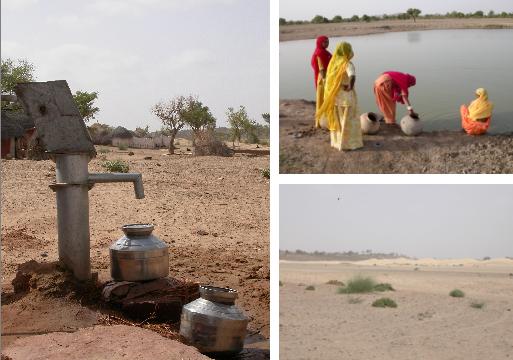
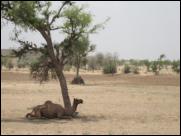
The Thar Desert in Rajasthan, India is the most densely populated arid region in the world. Outside the cities, people live as they might have two hundred years ago, without roads, electricity or running water, making a living managing livestock that feed off the desert shrubbery. Day temperatures during the summer months regularly exceed 110 F. Many villagers have to walk five miles or more to get water everyday; droughts are a constant threat. Underground water is available at about 200 feet, and can only be accessed through modern drilling equipment which the local population cannot afford.
The goal of this project is to provide drought relief through drinking water for the villagers in parts of the Thar Desert.
Aims for 2006, to complete a report during the summer on the status and condition of the wells installed so far in the desert area for use in further fund raising and relief work. This includes evaluating the overal impact of each well on the surrounding area and the best approach for further developement in water sourcing and conservation. The results will then used to raise funds in the fall for work to be carried out during the winter months of 2006-2007.
During 2004-2005, donations from students, faculty and parents of The Lawrenceville School in Lawrenceville, New Jersey helped raise a further $2,000. The efforts of the Kennedy House contributed half of that total as the students of the House, lead by Housemaster Peter Becker, did odd-jobs for $10 an hour to raise money. The funds raised allowed for four hand pumps to be drilled in the same district, Shergarh, based on the requests recieved from the villlagers after the previous year's work.
During 2003-2004, we raised approximately $ 4,000 to drill and install six wells with hand pumps in the neediest places in Shergarh district, based on the recommendations of the local people. Today these wells greatly facilitate the lives of over 300 villagers. In the future, we plan to install many more wells, and also build check dams in low lying areas to create artificial water bodies that can capture and hold the seasonal monsoon rains. Such small artificial lakes provide water for livestock, and importantly, also help recharge the underground water table. Pictures and more information about the project can be found at www.geocities.com/summerproject2004/Photos.html.