 |
|
|
|
|
|
|
|
|
|
|
|
|
|
|
|
|
|
|
|
|
|
|
|
|
|
|
|
|
|
|
|
|
|
|
|
|
|
Guinea pigs |
|
|
 |
|
|
|
|
|
 |
|
|
|
|
|
|
|
|
|
|
|
|
|
|
|
|
|
|
|
|
|
|
|
|
|
|
|
|
Guinea Pigs
Hamsters
Rats
Mice
Links
Tips
|
|
|
|
|
|
|
 |
|
|
|
Bedding |
|
|
|
|
|
|
|
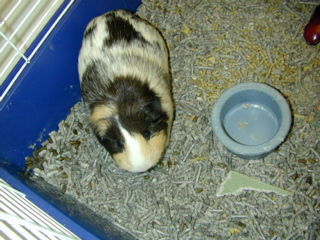
Some kinds of bedding that are recommended for guinea pigs are Aspen wood chips, newspaper (no color), and carefresh bedding. Never use cedar wood chips. It can cause upper respiratory problems. Pine is not good either unless it is Kiln dried. |
|
|
|
|
|
|
|
|
|
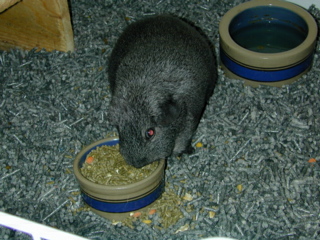
Guinea pigs don't make vitamin C on there own so you'll need to make sure they get it. You can buy liquid vitamin C from the pet store and put it in there water but this is not recommended because it has other vitamins and minerals in it that the guinea pigs don't need. There are also veggies that are high in vitamin C that you can feed them. Such as turnip greens, musterd greens, dandilion greens, kale, brussel sprouts, parsley, collard greens, Guavas, Beet Greens, Broccoli Leaf, Cauliflower, Kohlrabi, Strawberries, and spinach. Those are in order from the most Vitamin C to the least. They need new water at least every other day. They also need some kind of hay availible to them at all times. Timothy Hay is the best for them. But I hear that any kind of grass hay is good |
|
|
 |
|
|
|
|
|
Cages |
|
|
|
|
|
The basic store bought kind of cage needs to be one that has sides high enough to keep the bedding in but low enough for the guinea pigs to look out and for them to have enough air flow. And always remember that the guineas need 2 sq. feet per pig.
Personally, I am not a guinea pig person. I had a rather bad experience with them. So.... All I have to say about this subject is
1. Clean out the cage often
2. Keep away from flies
To learn more about Guinea Pig caging: go to the links page. |
|
|
|
|
|
|
 |
|
|
|
|
Babies |
|
|
|
|
|
|
Breeding |
|
|
|
|
They are born complete with fur, eyesight, and the ability to walk and eat pellets. Unlike rats and mice you will need to handle the babies within a day of them being born because they form their social bonds at this time. If you handle them a lot they will be used to humans and will be very good pets. After the babies are weaned you must find places for them to go (unless you want to keep them). I would suggest putting an add in a local newspaper. Pet shops don't always treat the animals well so it is best to try to find good homes for them before selling them to the pet shop. |
|
|
|
|
|
|
Gestation Period= 65-70 days
Babies= 1-7 Usually 2-3
Weaned= 4-5 weeks
Heat cycle= 14-18 days |
|
|
|
|
|
Female guinea pigs should be first bred before 7 months of age. If the first breeding is delayed beyond this time,there will be serious problems with the dilivery. Females should be first bred between 3 and 7 months of age. A male and female should be left together for 1-2 months to make sure that she is pregnant. When she has the babies you should remove the male because he will try to mate with her again and he may trample the babies. |
|
|
|