
Source http://www.pbs.org
Source .. www.pbs.org
|
|
|
|
|
|
|
|
|
|
|
|
|
|
|
|
|
|
|
|
|
|
|
|
|
| Background Information | ||||||||||||||||||||||||
|
||||||||||||||||||||||||
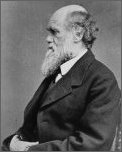
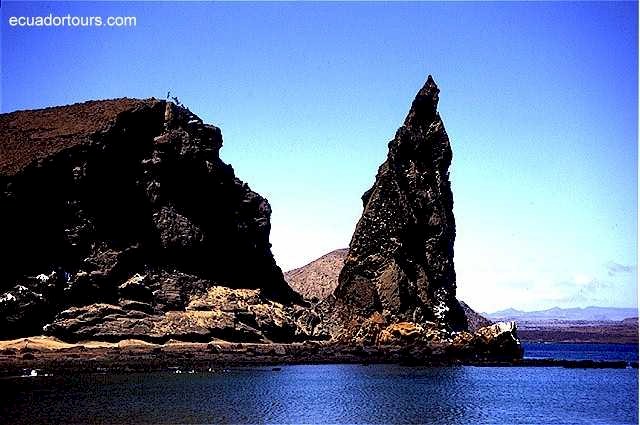
| In 1831, Charles Darwin left England on board the HMS Beagle. On the ship's voyage, Darwin was amazed by the tremendous diversity of living things that he saw. Today, scientist have identified more than 2.5 species of organisms. In 1835, the Beagle reached the Galapagos Islands in the Pacific Ocean. | ||||||||||||||||||||||||
| Evolution Information Source http://www.pbs.org |
||||||||||||||||||||||||
| Darwin was surprised that many of the plants and animals onthe Galapagos Islands were similar to organisms on mainland South America. However, there were also important differences. Darwin inferred that a small number of different species had come to the islands from the mainland. Eventually, their offspring became different from the mainland relatives. The finches on the Galapagos Islands were noticeably different from one island to another. The most obvious differences were the varied sizes and shapes of the birds beaks. Beak shape is an example of an adaptation. Darwin reasoned that plants and animals on the island faced conditions that were different from those on the mainland which caused the population to evolve. | ||||||||||||||||||||||||
|
||||||||||||||||||||||||
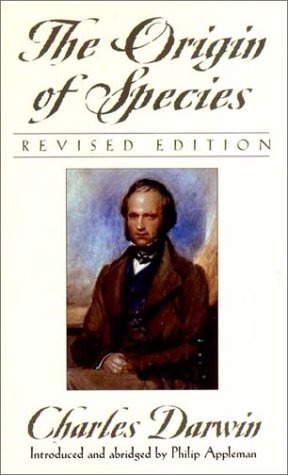
| In Darwin's book The Origin of Species, Darwin explained that evolution occurs by means of natural selection. A number of factors affect the process of natural selection: overproduction, competition, and variation. Some variations make certain individuals better adapted to the environment because of helpful traits they possess. Over a long period of time natural selection can lead to evolution. Helpful variations gradually accumulate in a species, while unfavorable ones disappear. Individuals that accumulate favorable traits have a better chance of surviving and producing offspring than individuals with less favorable traits. | ||||||||||||||||||||||||
|
||||||||||||||||||||||||
| Click here to view a video clip on Charles Darwin Source .. www.pbs.org |
||||||||||||||||||||||||
| Any Questions? Email your questions or concerns. Click Here! | ||||||||||||||||||||||||
| Back to Homepage | ||||||||||||||||||||||||
| Back to Student Page | ||||||||||||||||||||||||