
|
| Home| Products| Services| Pests Info| Pesticides Info | Useful Links| About Quest | Terms/Legal| Email Us |
Mouse & RatMice will drink water if available but can survive on food with a moisture content of 15%. It is omnivorous, feeding from a number of different points.
Rodent Control Methods
Prior to carrying out treatment against rats or mice, we will do an inspection or survey of the property, site or area to decide on the extent and size of the infestation. A further characteristic is smell. Rodents produce a distinct odour in nests sites and harbourages that once experienced will not be forgotten. In most cases baits (in block form) are employed to eliminate the presence of these pests. Bait is usually placed behind appliances where it is inaccessible to non-target life forms. In other places QPM utilizes tamper-resistant and lockable bait stations. Areas favoured by mice are food storage and preparation areas such as kitchens and pantries. Sub-floor areas, enclosed pipes and baths in bathrooms and loft areas are also favoured areas. Bait can be placed under or behind kitchen fittings, behind fridges, under kitchen units, behind the bottom drawer of the cooker etc. |
©Copyright Quest Pest Management 2001-2005. |
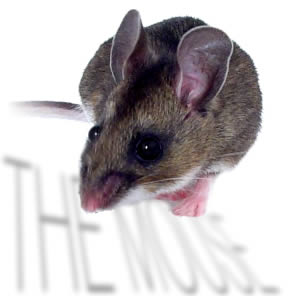 Colour Brown to grey with a lighter underside