 |
|
|
|
|
|
|
|
|
|
|
|
|
|
|
|
|
|
|
|
|
|
|
|
|
|
|
|
|
|
|
|
|
|
|
|
|
|
|
|
|
|
|
|
|
|
|
|
|
|
|
~Mani's History~ |
|
|
|
 |
|
|
|
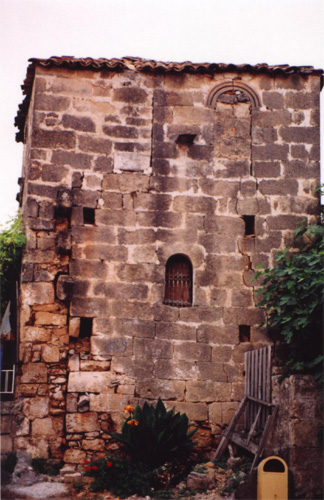
This is my cousin Danny's traditional Mainoti tower at Proastio |
|
|
|
During that time the most well known families of Mystras found shelter at Mani, where they finally remained. Also lot of Peloponnesian Greeks went there to live free at the inaccessible mountains. According to Rafanel, many descendants of imperial or noble Byzantine families had found shelter at Mani with fake names,and as the time went by they mixed with lhe locals. Also Greeks from all Greece were coming to Mani, especially after the failure of revolutionary movements, fearing the Turks� vengeance. So, Mani�s population was increased a lot and in many cases the military forces surpassed the 15.000. |
|
|
|
 |
|
|
|
Mainoti owned their independency not only to their land�s inaccessible grounds, but also to their warlike spirit, which was growing year to year. They were practicing on weapon use from little children. Their life was going by with a gun in their hand and the act of war ended to be not just an obligation but also their main concern. |
|
|
|
|
|
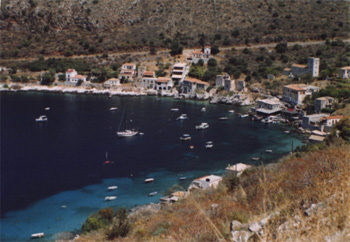
Limeni |
|
|
|
In an invasion case from the enemy, they were all under the commands of the local chiefs to fight to death. When they couldn�t face the enemy one to one because of its huge number, they were abandoning their villages with their families to find refuge at the highest mountain tops, after they were destroying all the water tanks and taking every kind of food they had. From there they were making sudden night invasions, destroying the Turkish convoys ,decimating the army and forcing them to withdraw from the Mani territory. |
|
|
|
 |
|
|
|
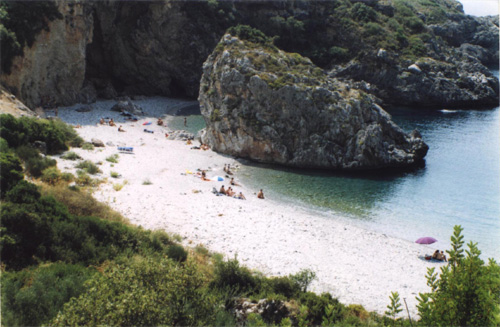
Foneas beach of Proastio |
|
|
|
On 1570 the Turkish-Venetian war was repeated. The Turks occupied Porto Kayio of Mani and built a powerful fortress there, in order to use the port as a base used for attacks against the Venetian fleet and their convoys. The existence of that castle was a great danger for the Mainoti and with the help of the Venetian Marino Kouerini they succeeded to conquer it and blow it up. After that they continued the war against the Turks, taking part at the Melissinos brothers� revolution, which was incited by the Western Christian Forces. But when they signed a peace agreement the Mainoti were left without any help under the vengeful Turkish threat. In their despair they addressed to the Pope Gregory XIII asking his mediation (1582 A.D.) without any positive result. |
|
|
|
 |
|
|
|
At the beginning of the 17th century, French nobleman Charles Gonsague, duke of Nevere, grandson of Margaret Paleologos-Momferatos, declared himself descendant of the last Greek emperors and heir to the Byzantine throne. Then he planned to organize a general crusade of the Western kings and a national enslaves� revolt. |
|
|
|
Only the fact that a �Paleologos� was concerned for the freedom of the Greek nation was enough to excite the Greek countries. Discussions started between the French noble and the Mainoti, which lasted from 1612 to 1623. Envoys were exchanged too, apart from the correspondance. |
|
 |
|
|
|
|
|
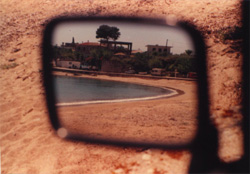
Stoupa beach |
|
|
|
The duke�s plans were abandoned, because the Christian kings broke their promises for once more. The only thing left today is the correspondence, which is very important from historical view. From that and the Mainoti letter addressed to the Pope on 1582 we know many things about that dark period. We have information especially for the desperate Mani�s struggle and the administrative and social regime. |
|
|
|
 |
|
|
|
We learn that the leading persons of that period were the Alevrades, the Direi and Velkouni from Arachova, Kontostavli from Pentada, Klirodotes from Kovallo, Koutifarei from Zygo, Kosmades from Vathia, Koronei, Diatri or Mediki and |
|
|
|
|
|
Eksohori view |
|
|
|
Stefanopouli from Itilo, Melissini from Proastio, Nikliani from Kitta, Malevrides, Pouvali and Skoublei from Andravista, Fokades and Chrisospathides. They all sign as Mani�s proxies and local rulers. |
|
|
|
 |
|
|
|
The form of government of the free Mainoti was militaristic. The most powerful and brave imposed to the others. Those who were powerful were called �Kefalades�, they were leaders of big families and they were also called �Megalogennites� or �Nikliani�, in opposition to the weaker who were called �Famegi� and they were under the authority of the powerful. The powerful were many and their authority was divided in areas. |
|
|
|
Previous Page |
|
Next Page |
|