 |
|
|
|
|
|
|
|
|
|
|
|
|
|
|
|
|
|
|
|
|
|
|
|
|
|
|
|
|
|
|
|
| Nonviolent Revolutionary Movements (IPE 381) |
|
|
|
Nonviolent Revolutionary Movements |
|
|
|
 |
|
|
|
Class Links |
|
|
|
 |
|
|
|
|
This course introduces you to the legacy of nonviolence, a technique used to control, combat and destroy and opponent's power without destroying their people or property. We will examine the processes that lead up to and create the possibility for successful change in politics and society. We will begin by studying theories of revolution and nonviolence. |
|
|
|
|
|
|
|
|
|
|
|
On-line Readings for Thursday, December 2 |
|
|
|
|
|
|
|
|
|
Syllabus |
|
|
|
|
|
|
|
|
|
Paper #1 |
|
|
|
|
|
|
|
|
|
Paper #2 |
|
|
|
|
|
|
|
|
|
Nobel Peace Prize Presentations |
|
|
|
|
|
Research Paper |
|
|
|
|
|
|
|
|
|
Gandhi Information |
|
|
|
|
|
|
|
|
|
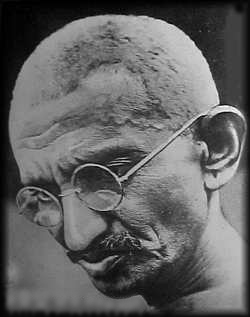
Using these tools, we will analyze several key cases of nonviolence in revolution from the perspective of those most directly involved: Mohandas Gandhi in Indian independence and Vaclev Havel in the successful nonviolent revolution in Czechoslovakia. |
|
|
|
|
|
|
|
|
|
Characters in Gandhi's Life |
|
|
|
|
|
|
|
Chronology of Gandhi's Life |
|
|
|
|
|
|
|
Glossary of Indian terms |
|
|
|
|
|
|
|
|
Writing Advice |
|
|
Back to Patrick's Home Page |
|
|
|
|
|
|
|
|
|
 |
|
|
|
|
|
|