If you have a short stay or day stay in Zurich don�t carry your Luggage, Leave your luggage at the airport under attendancy. Fares: CHF 5.� / day. Bigger pieces (like bikes, skies with boots etc.) CHF 10. � / day Open 06.00am�10.30pm
Passage Shopping�Terminal A, Level 0
phone: +41 (0)1 816 35 00
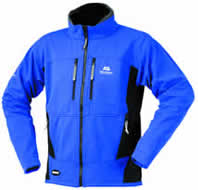
Clothing/Shoes/Weather Gear:
Because of it's geographical location Switzerland shares four climatic regions of Europe:- continental, Mediterranean, sub-tropical and marine, consequently when travelling you should be prepared for both warm and (even in summer) cold, bearing in mind the temperatures at high altitude for those trips up mountain peaks.
When passing, do not cross a double white line. When completing a passing maneuver, you must signal with your vehicle's right blinker before you re-enter the right lane. Moving trams must be passed on the right if there's enough room; otherwise they may be passed on the left. A stationary tram should be passed on the left, unless it's stopped at a passenger island, in which case it may be passed on the right. Motorcyclists are not allowed to pass long columns of vehicles or to weave in and out of traffic.
Police are empowered to collect fines on the spot.
Parking
Do not park where you see a sign that reads Stationierungsverbot or Interdiction de Stationner. Parking on the sidewalk is illegal except where signs indicate otherwise.
Fuel
Fuel stations along expressways are usually open from 6:00 a.m. to 10pm or midnight. Those along Basel North, Pratteln North/South, and Coldr�rio East/West (N2), however, stay open 24 hours. Along other roads, fuel stations are open from 6, 7 or 8 am to 6 or 8 pm. Outside of open hours fuel is commonly available from automatic pumps that accept 10 and 20 SwF notes or credit cards. And some stations which do not always stay open 24 hours do stay open 24 hours during the summer. Many stations do not accept major charge cards like Visa, MasterCard or American Express. Normal unleaded petrol has an octane rating of 95; unleaded super has an octane rating of 98. Unleaded petrol is called bleifrei, essence sans plomb, or benzina sensa piomba, depending on whether you're in a German-, French-, or Italian-speaking part of Switzerland, respectively . Likewise, diesel is called diesel, diesel, or gasolio; and LPG is called autogas, Gaz de p�trole liqu�fi� (GPL), or gas liquido (GPL).
EMERGENCY #S
Emergency Telephone Numbers to call:
POLICE, #117,
FIRE SERVICES, #118,
AMBULANCE, #144 (most areas)
MOTORING ASSISTANCE #140.
NOTE:- In call boxes you need to insert 60 cents, it does come back sometimes the end of the call.
There is also a Swiss Helicopter Rescue Service operated by REGA, the airborne emergency service number is 383 11 11.
The Swiss people still subscribe, at least in the rural areas, to the community/village mentality. They're truly one people and everybody comes together to do various chores, tasks and to celebrate.
Look out for village parties on the weekends.
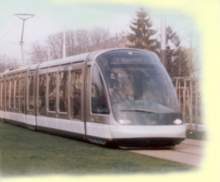
You can get (nearly) everywhere in this country using public transport. The swiss railway network is electric (only some very small railways run diesel or steam powered) so going by train doesn't polute our enviroment as the electric power is mostly generated out of water power.
The Swiss raiways are run by the state railways SBB (Schweizerische Bundesbahnen) and numberous small and big private railways. Most busses are operated by "Postauto" the post bus (it still carries post on some lines) and lots of private companies.
The different rail, bus and ship companies work well together so you can buy through tickets from most stations/bus stops to any station/bus stop. The timetables are linked together too, so you get good connections between the different transports.
Warnings or Dangers that can occur:
SUN BURN! Believe it or not, if one is up in the mountains where the air is cooler � they don�t realize how strong the sun really is� Bring plenty of sunscreen!
A small lock is a good idea to secure the metal tags on you're bags, also a small padlock and chain is very useful to lock your bag to a train or bus luggage rack and you may even find it handy to secure a youth hostel locker.
Be wary of leaving valuables in hotel rooms, if you ask the front desk staff they will look after them for you... even in hostels. Beware also of pickpockets and snatchbag theives, they thrive in crowds. Generally, keep your wits about you, treat anything out of the ordinary with suspicion even unlikely offers of help.
Be careful of the High Altitude Sickness. Some form are more sudden and worse than the common form most of us have heard of. You don't want to be stuck at 14,000 feet for an hour when you think you are going to die.
Weather changes in the mountains:
In the alps the weather can change very quickly! Look at the forecasts (on swiss TV at 19.50, or in newspapers) before you go on a mountain tour. A useful website is www.meteo.ch.
 http://www.drivingabroad.co.uk/driving_tips_countries/switzerland/driving_in_switzerland.htm
 www.sbb.ch - in Swiss Deutch
www.rail.ch � in English
www.sbb.ch - in Swiss Deutch
www.rail.ch � in English