 |
|||||||||
 |
|||||||||
|
NAVIGATE
TRANSLATE TEXT
Click here - Copy and paste text.
READ THESE
Renewable Energy - Bent Sorensen Renewable Energy - Godfrey Boyle Solar Living - John Schaeffer, Doug Pratt Wind Energy Explained - J. F. Manwell |
|
RENEWABLE ENERGY
"Governments must get greater energy efficiency out of existing power stations and develop new, renewable energy sources such as solar, wind, hydro, ocean and human power" The current situation of the world means we need to turn to alternative sources of energy - namely Renewable, or Sustainable Energy. With minimal effect on the environment and constant availability, renewable energy is thought to be the future. It solves many of our problems around the world, for example the oil crisis, environmental issues and so on. But like all other things, renewable energy has its negative sides. It is good to know both the positive and negative sides of renewable energy to make sure we are under no illusions about its effectiveness.
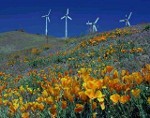
Wind Power
Solar energy:
Hydro-electricity
1. It is a well-established technology, having been used for centuries. 2. Large amounts of energy may be produced with hydro-electricity. The force of the water due to gravity can generate a lot of energy to provide for energy needs. Disadvantages: 1. The main downside of hydroelectricity is that it can damage the environment. If a dam is built, it can drastically alter the ecology of nearby land and water habitats. For example: Between 1950 and 1975, India lost 194,000 hectares of forest when waters were backed up behind new dams. Also, in the pacific, some dams blocked the annual migration routes of Pacific salmon, preventing them to reach their spawning areas. At least 3 pacific salmons are now under endangered species. Click here to read why renewable energy is still preferable to current energy sources. |
|
|||||
|
|||||||||
|
|||||||||
| Jenny Choi & Isabella Doak 2004, 2005 | |||||||||
|
|||||||||
|
|||||||||