|
|||||
|
Teacher Resources |
Teacher Resources
Feel free to download the following exercises.
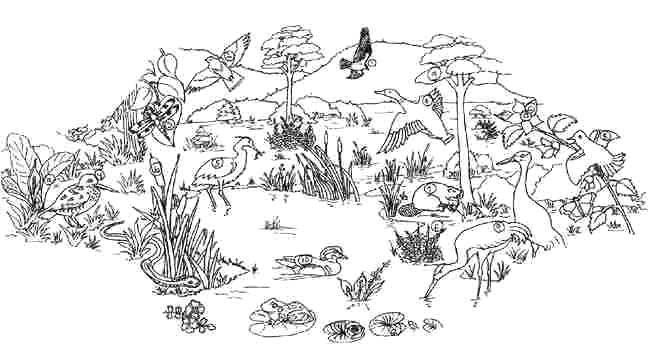
Animals and Plants of the Polder
Click here for the identification exercise answer key. Commonly asked questions:
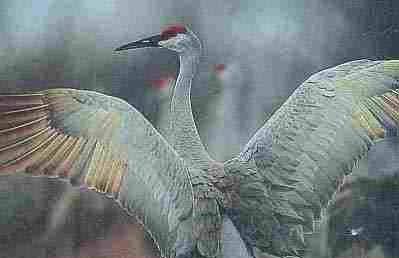 Commonly Asked Questions Answer KeyPOLDER: Polder is a Dutch word that means "land reclaimed from the sea." At one time, the lowlands of Pitt Meadows and Maple Ridge were covered with water. In the 1940's Dutch pioneers drained and dyked the land to create farmlands. These farmlands and the wetlands surrounding them, including the dykes, are called the polder. There are two polders-the Alouette in Maple Ridge and the Pitt Polder in the Pitt Meadows. 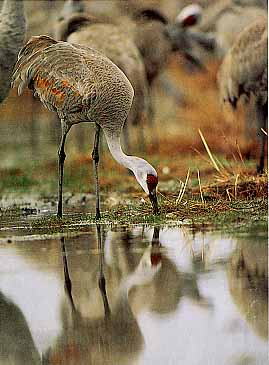
DYKE: A bank of earth built up to hold back water. In the polder, dirt roads were built on top of dykes, so farmers could walk or drive from one part of their farm to another. Now many people use the dykes for recreation. 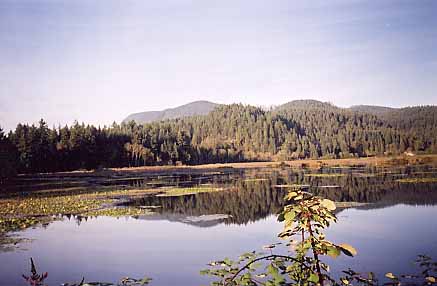
PACIFIC FLYWAY: A geographic course along which birds migrate between wintering and breeding areas. The polder, situated along the Pacific Flyway, is home for more than 250 species of birds. 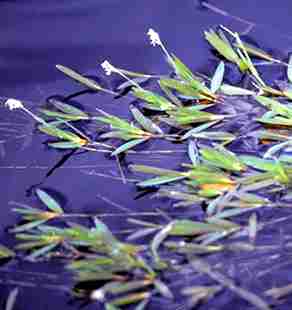
WETLAND: Any area that is covered by water for a day or a year. Wetlands include floodplain, ponds, wet meadows, bogs and marshes. At one time, wetlands were described as "wastelands." Many people believed that unless land was producing crops or products which had economic value, it was considered worthless. Today, scientists realize the value of the wetlands.
|
||||
|
Home - Introduction - Mission statement - Events - Contacts - Blaney Bog - Photo gallery - Links - Membership - Teacher Resources Last modified December 2000. Website design & maintenance Emay Ko |
|||||