__________________________________________________________________________
Puppies In Phase
Guide Dogs' San Rafael, California Campus. The puppies now go through
10 phases of formal harness training in order to become a guide dog. The
phases are described below:
| 2008 | 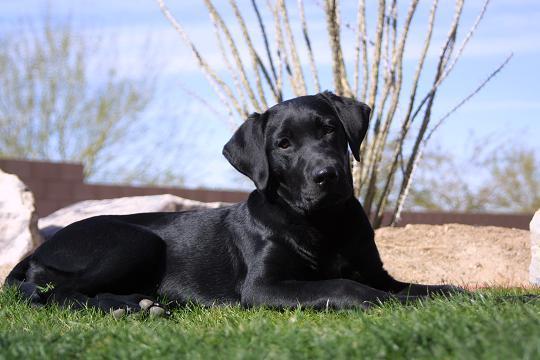 Dexie Raiser: Jan P., Gene P., and Renee R. Phase 7 |
 Durban Raiser: Debbie G. and Jessica S. Phase 7 |
Phase #1
- Pre-training physical exam
- Neutering/spaying (with the exception of potential breeding stock dogs
who are under evaluation at this time) - X-rays
- Eye checks
- Relaxing walks on campus and play sessions
- Introduction to the kennel environment and schedule
- General daily care and grooming
- Preliminary obedience training
- Exposure to distractions (toys, food, other dogs, cats, etc.)
- First on-campus workouts with a harness
- Introduction to the BEST program training techniques (including treadmill sessions)
- Sessions to teach guidework-specific commands (such
as "Forward," "Halt," "Hopp Up" and "Steady") and the desired responses to
the commands - On leash introduction to the campus obstacle course
- Guidework training in quiet residential areas
- Frequent rides in the training vans
- Introduction to more advanced guidework commands and responses
("Right," "Left," and "Over Here,"); continued training on commands learned in
Phase #2 - Introduction of curbs and street crossings
- Progressive obstacle course training on campus
- Continued obedience training
- Mall exposure walks
- Dog social sessions
- Neutering/spaying for those dogs dropped from the breeder-watch list
- Progression of guidework training: more difficult sidewalks
in busier sections of downtown areas - Training on more complex street crossings and curbs
- Obstacle clearance initiated by the dogs; they begin to guide their
mobility instructors through the campus obstacle course - Preliminary obedience testing and evaluation of the dogs' reactions to head collars
- Preliminary guidework testing with the mobility instructor under blindfold
- Complete veterinary history review
- More challenging guidework training environments
(pedestrian traffic, stairs, different flooring surfaces, etc.)
- Guidework routes in difficult and challenging work environments (heavy
pedestrian and vehicle traffic areas, wide crossings, hectic atmospheres, etc.) - Introduction to sidewalkless areas and rounded curbs
- Continued work in malls, stores and buildings, with increasing exposure
to varying sights, sounds and smells - Lessons in advanced guidework skills, such as moving turns
- Introduction to "intelligent disobedience" (dogs learn to refuse to obey
a command if it is unsafe to execute) - Advanced obedience training
- Guidework in extremely challenging downtown urban areas (San Francisco and Portland)
- Training on buses, light rail/subway systems and platform edges
- Introduction to low overhead clearances
- Advanced off-leash obedience
- Formal traffic training
- Advanced guidework and obedience training continues
- Intensive indoor mall training with crowds and slick floors
- Escalator training
- Advanced sidewalkless training with obstacles.
- Final obedience testing, including on-leash obedience with the mobility
instructor wearing a blindfold - Off-leash obedience with distractions
- Workouts with unfamiliar or novice handlers
- Final traffic testing with instructor under blindfold and "real life" traffic situations
- Final guidework testing: city streets. Includes working a 40-50 minute
route with the mobility instructor wearing a blindfold in downtown Gresham
or San Rafael. The route covers nearly every aspect of guidework (curbs,
street crossings, stairs, buildings, crowded sidewalks, traffic, etc.);
obedience exercises are done along the way. - Final guidework testing: inside buildings (malls, stores, etc.). Includes
working escalators, elevators, stairs, etc. with the mobility
instructor wearing a blindfold. - Final physical exams