|
TRANSVERSE MYELITIS
|
|

|
Spinal cord injury
(SCI) occurs when a traumatic event results in damage to cells within
the spinal cord or severs the nerve tracts that relay signals up and
down the spinal cord. The most common types of SCI include contusion
(bruising of the spinal cord) and compression (caused by pressure on the
spinal cord). Other types of injuries include lacerations (severing or
tearing of some nerve fibers, such as damage caused by a gun shot
wound), and central cord syndrome (specific damage to the corticospinal
tracts of the cervical region of the spinal cord). Severe SCI often
causes paralysis (loss of control over voluntary movement and muscles of
the body) and loss of sensation and reflex function below the point of
injury, including autonomic activity such as breathing and other
activities such as bowel and bladder control. Other symptoms such as
pain or sensitivity to stimuli, muscle spasms, and sexual dysfunction
may develop over time. SCI patients are also prone to develop secondary
medical problems, such as bladder infections, lung infections, and bed
sores.
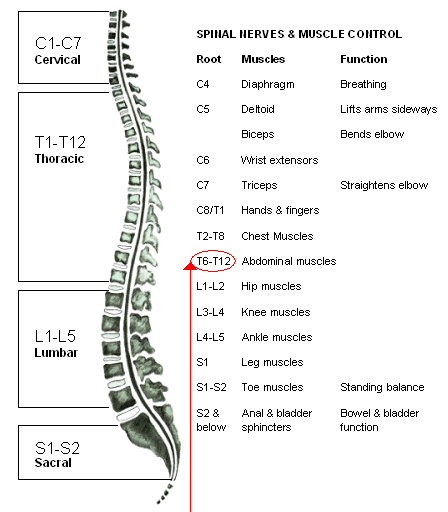
As a result of my Transverse Myelitis, my level of injury is T7 Incomplete, which is indicated on the diagram above.
|