Site   de   Língu@   Ingles@

Easter


O seguinte texto sobre os doces mistérios do chocolate foi tema da Prova de Acompanhamento do PEIES I - 2004, UFSM.


The sweet misteries of chocolate

  1.   Chocolate contains more than   300 known chemical substances, (2)many of them also found in other foods. Yet, there is something (3)special about chocolate. It contains phenylethylamine, a chemical (4)related to amphetamines and which is sometimes called the "love drug" (5)because it quickens your pulse, as if you are in love. Caffeine, (6)theobromine and other stimulants in chocolate also increase the activitie (7)of neurotransmitters (brain chemicals) in parts of the brain that (8)control our ability to pay attention and stay alert.

  9.   No one knows exactly why chocolate is so popular, so scientists  (10)will continue to investigate the sweet mysteries of chocolate.  But  we (11)all know that it contains saturated fat and sugar, so  moderation  is (12)important. And keep chocolate away from your dog! A small piece of (13)chocolate can be fatal to a dog because it cannot digest (14)theobromine. Chocolate can also make small children sick for the same reason. (15)There are still a lot of mysteries about chocolate, but we all know that (16)eating too much of it can cause health problems. Once again, (17)moderation is the key word here.

(MARQUES, Amadeu. New Password, English 1. São Paulo. Ática 2003, p. 125)


Agora, responda às questões sobre o texto acima:

Questão 17:

Segundo o texto, um dos efeitos conhecidos do chocolate é

a) favorecer o surgimento da acne.                                 

b) auxiliar na cura dos males do amor.

c) melhorar o processo digestivo da teobromina.           

 d) contribuir para aumentar a atenção.


Questão 18

No 2º parágrafo (l. 9-17), o autor expõe, principalmente,

a) os componentes químicos benéficos do chocolate.

b) os efeitos negativos do consumo de chocolate.

c) uma experiência com cães que comem chocolate.

d) a inclusão do chocolate na dieta das crianças.

e) os efeitos das anfetaminas presentes no chocolate.

Questão 19

Na linha 13, a palavra "it" refere-se a


b) mysteries about chocolate.

c) moderation.

d) small children.

e) dog.

a) chocolate.

Questão 20

A palavra "exactly" (linha9) apresenta um sufixo. O mesmo ocorre em

a) pulse.

b) activity.

c)brain.

d) key.

e) word.

Questão 21

O texto indica que as pesquisas ainda não resolveram alguns dos segredos  do chocolate. 

Essa idéia é salientada nas linhas

a) 5 e 16.

b) 7 e 8.

c) 10 e 15.

d) 12 e 14.

e) 10 e 16.

Questão 22

Em "No one knows why chocolate is so popular, so scientists will continue (...)" (l. 9-10),

 as palavras sublinhadas indicam, respectivamente,

a) intensidade - conclusão.

b) qualidade - conseqüência.

c) qualidade - qualidade.

d) conclusão - intensidade.

e) quantidade - oposição.

Questão 23

Assinale a alternativa que completa corretamente as lacunas no período a seguir:

People usually love chocolate _____________ makes ____________ feel good.

a) They - them.

b) It - our.

c) Its - they.

d) It - them.

e) They - us.


How people around the world say "Happy Easter" ?

Buona Pasqua

Italy

Felices Pascuas

Spain

Fukkatsusai Omedetou

Japan

Joyeuses Pâques

France

Frohe Ostern

Germany

Fouai Hwo Gie Quai Le

China


Sabe quem trouxe para o Brasil a tradição do Coelhinho?

Foram os imigrantes alemães.

Encontre mais expressões, bem como histórias das tradições de Páscoa em

 http://criancas.uol.com.br/novidades/ult2367u115.jhtm

(Acesso em 20/01/09)


 Happy Easter!


Sabe como é comemorada a Páscoa pelo mundo afora?

Vamos conhecer tradições de outro povos?

Em grupos: pesquisar o costume de um país a ser determinado pela professora..

Cada grupo estará encarregado de pesquisar determinado país, traduzindo o texto.

Após a tradução, o grupo relata aos colegas o que concluiu.

A tarefa individual, em Inglês, será a descrição do costume da família, ou da comunidade, ou cidade, postando no Blog da turma, ou entregando o trabalho para a professora.

Observe que nos textos há referências a vários costumes. Identifique aqueles que tem a ver com os seus. Após, organize as suas idéias.

Easter in

Australia is a wonderful country with people from different parts of the world.
So, Easter is celebrated in a variety of ways.

The main day of celebration of families of Anglo-Irish backgrounds is Easter Sunday.
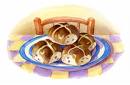
Some people go to church services and have hot cross buns for breakfast. These are a
sweet fruit bun, which may have a cross on top. Children exchange Easter eggs, which
are usually made of chocolate. Some are now made from sugar and have little toys
inside. The chocolate eggs are available in an egg shape, from tiny little ones to
giant ones. Some chocolate eggs are also in the shape of cheeky looking rabbits.


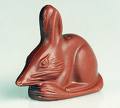
In recent years Easter bilbies have also been made. The bilby is a native animal
in Australia. It is an endangered species. Chocolate manufacturers decided to make
Easter bilbies and give some of their profits to help protect these animals from extinction. Children don't worry about the shape. They just love the chocolate!


Many families arrange for an Easter hunt in their homes or gardens to see who can
find the most eggs on Easter Sunday morning. They then share a meal with their
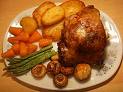
relatives. Traditionally this has consisted of roast lamb, beef or chicken with
roasted vegetables like potatoes, carrots, pumpkin


In many parts of Europe, huge bonfires are lighted on hilltops and in churchyards on
Easter Eve. They are sometimes called Judas fires, because effigies of Judas Iscariot
are frequently burned in them. The Easter bonfires predate Christianity and were
originally intended to celebrate the arrival of spring. The burning effigy once
symbolized winter.
 

Spring Easter Bonfire Winter


England :
Easter is celebrated by exchange of Easter Eggs and other nifty gifts. Gift range may
vary from anything between money, clothes, chocolate or go on holidays together. Some
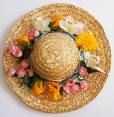
people make Easter bonnets or baskets, which have things like daffodils in them or
mini eggs. Children sometimes go to a local community center to enter an Easter bonnet
competition to see whose bonnet is the best and the winner gets an Easter egg.
 

dadffodils (narciso)


The Easter bunny is very much a part of the Easter tradition in England. The shops are
filled with thousands which people buy to give to each other. The Easter bunny 'hides'
the eggs in the houses and children on Easter Sunday search to find these treats.
 

Easter bunny


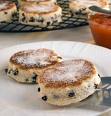
Hot-cross buns are popular foods on Good Friday. These are sweet fruit buns with crosses
on top. Some people still make these with yeast, but shops now sell dozens in the week
before Easter.
 

Traditional Easter Meal

Hot-cross buns

Easter bonnet


France :
The French call it Paques.
The main celebration sets off on Good Friday with a solemn note. Church bells do not
ring for three days starting from Good Friday till the Easter Sunday. This is a token
of mourning for the crucified Christ.
Early on Easter morning the children rush into the garden to watch the bells "Fly back
from Rome".
As the small folk scan the sky for a glimpse of the returning bells their
elders hide chocolate eggs.
 

Easter basket/nest


Italy :
Italians call it La Pasqua.
The Easter is celebrated with a real big feast in this Mediterranean country. The Paschal
feast is celebrated with Agnellino, Italy's special popular dish for the Easter. This is
a roasted baby lamb. Children enjoy a rich bread made specially for the Easter. It is
shaped like a crown and studded with colored Easter egg candies.
 

Easter bunny and colored eggs


Germany :
The German call it Ostern, possibly by the name of the Anglo Saxon goddess of spring,
Eostre. School children have about three weeks holiday at Easter. No one works on Good
Friday, Easter Saturday and Easter Sunday. Many people eat fish on Good Friday and on
Easter Saturday evening there is often a big Easter bonfire. This is very popular and
lots of people gather to watch. These Easter fires are burnt as symbols of the end of
the winter and any bad feelings.
 

Easter fires


On Easter Sunday families have nice breakfasts together. Parents then hide Easter baskets
with sweets, eggs and small presents. Hand-painted eggs decorated with traditional designs
are exchanged among friends. Earlier, it was customary in many regions for the village
girls to present their suitors with a red egg.Many eat fish on Good Friday.
 

Bread stuffed


The Netherlands :
The Dutch call it Pasen or Pasen Zondag.
Throughout the country Easter is celebrated as a great spring holiday. People lay tables
for Easter dinner with charming decoration of colored eggs and early flowers. Sweet
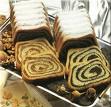
bread stuffed with raisins and currant, is one of the favorite dishes of the Easter feast.


Easter Bread


Sweden :
The Swedish call it Påskdagen.
Throughout the country the egg, symbol of life and resurrection, is featured in all Easter
food and Easter games. Every household has egg coloring parties. Egg rolling contests are
the favorite Easter activity of younger boys and girls.
Palm Sunday is observed with palm fronds. The Easter Eve is celebrated with bonfires.
Shooting of fireworks lives on as the tradition.
 

Palm


(Texts from http://www.theholidayspot.com/easter/easter_poems1.htm / images from google)
Acesso em 20/03/09)


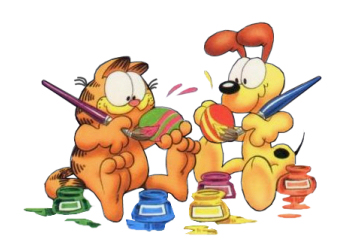
Garfield and Odie painting Easter eggs.


(Image from http://i-love-cartoons.com/snags/clipart/Easter/Garfield-Easter.php

acesso em 23/03/2009)


Home Sites Dates Songs Texts&Tests Thoughts Proverbs
Hosted by www.Geocities.ws

1