3/8/09
The current bear market has now ousted 1929 from 2nd place for worst 6 month periods in the SPX. The 51% decline during the last 6 months of the 83% plunge into the1932 low remains in first place, but by only 3.5 percentage points.
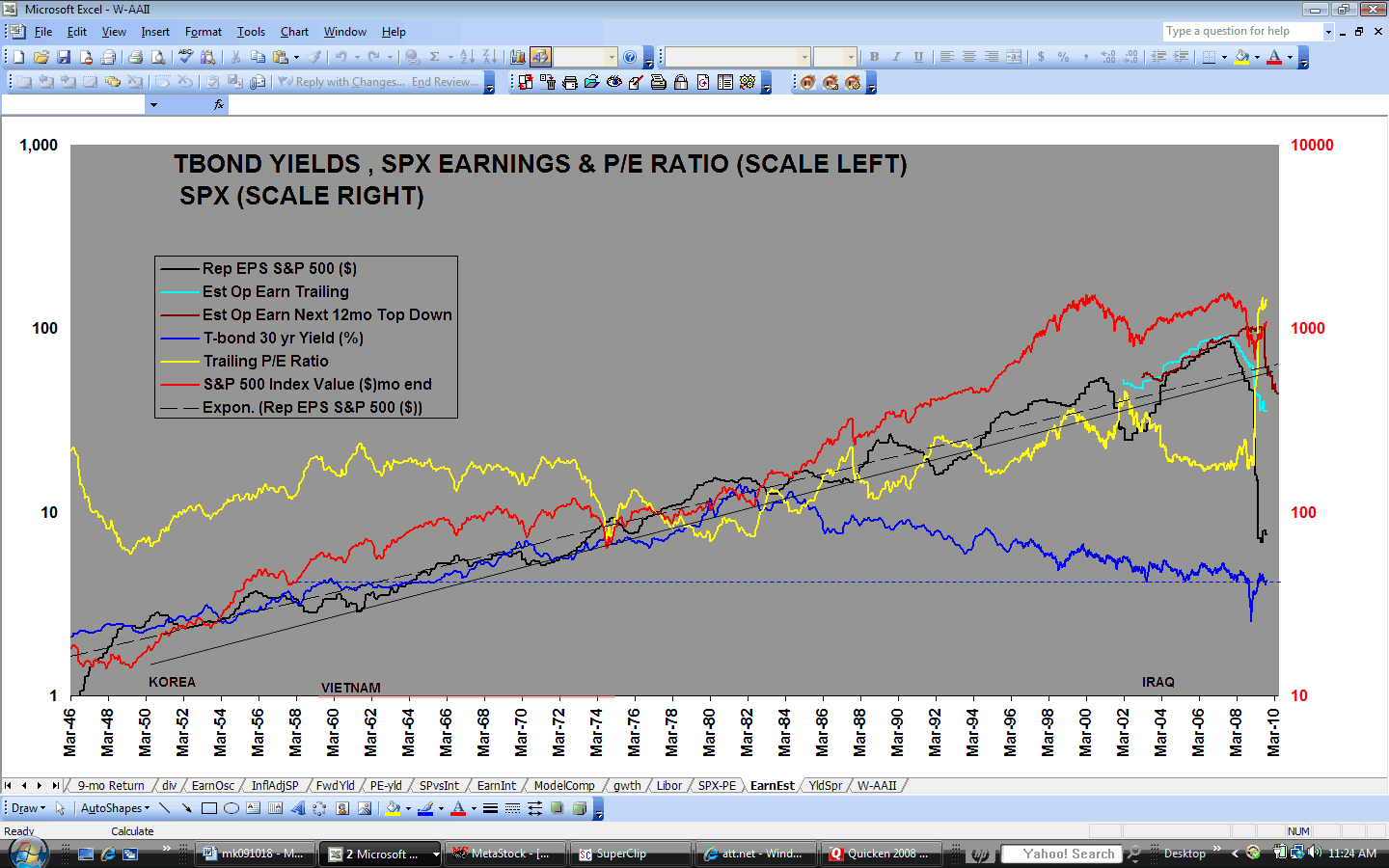
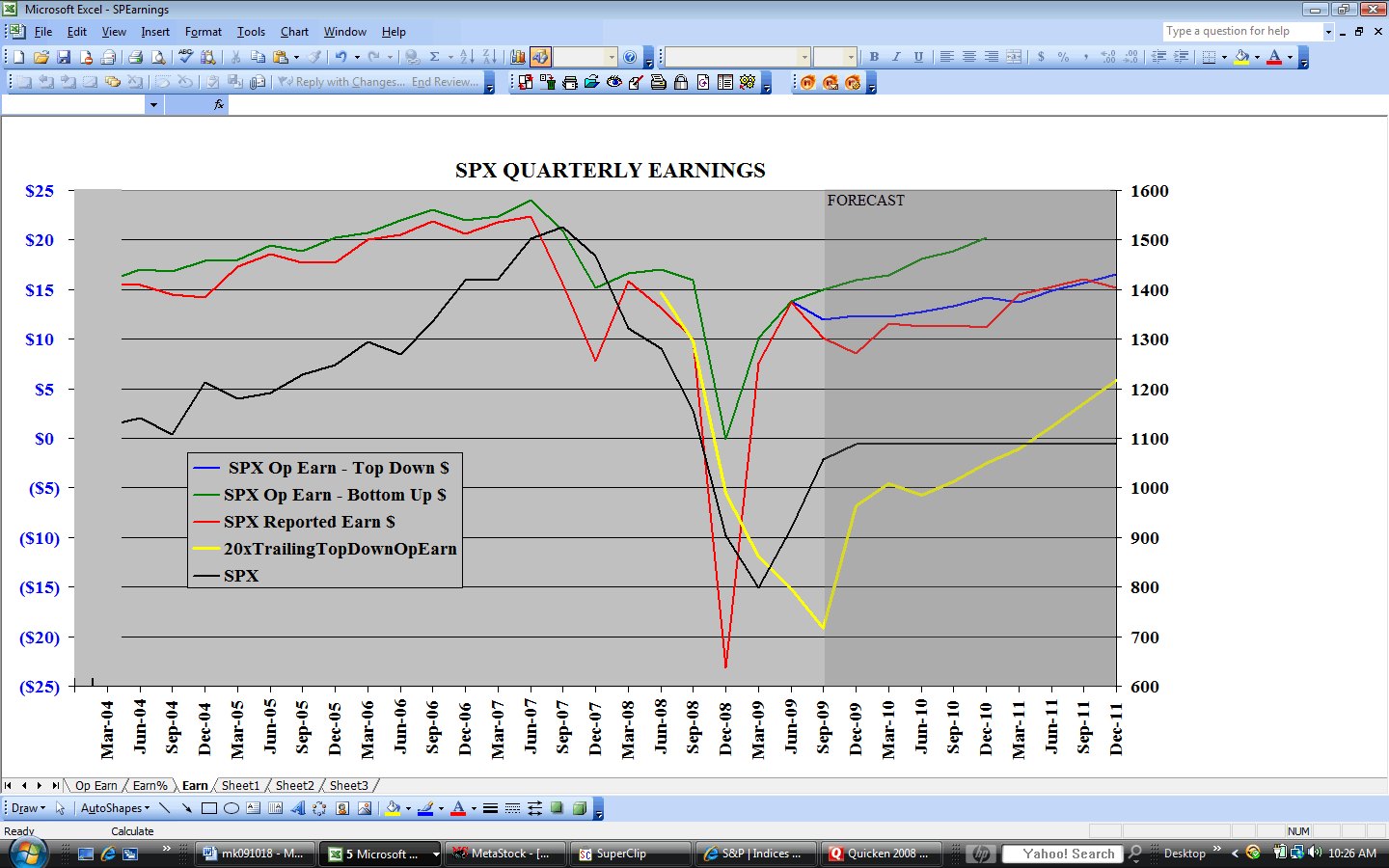
It’s now abundantly clear that my year-end pessimism was not sufficiently deep. In my 12/28 letter (http://www.geocities.com/petegersb/mk081228.html ) I wrote: “So I expect a test of the November low either in February when the 10-wk cycle should bottom or in the May time frame when both 10 and 20-wk cycles should bottom. A break of the low on either attempt would again confirm the secular bear market. The optimistic scenario would have both tests hold, and new lows deferred to late summer when the 9-month cycle is due to bottom.” The November lows were broken on February 27. I went on to make a price-range prediction: “If the 740 level is broken, I can’t see any chart support above 660. Put a 12 multiple on S&P’s trailing 12 month operating earnings estimate of $56 (http://www.geocities.com/petegersb/EarningsEstimates.GIF ), and you come up with 672 for the SPX at mid-year. Put today’s high multiple of 19 on their reported earnings estimate of $40.72 for the 12 months ending in June and you come up with 770. So I’ll guess that we will see something near the bottom of the 660 to 770 range at the next 9-month cycle low late next summer....” Last week the SPX, at its Friday low, reached 667 – only 5 trading days after breaching the 740 level. Clearly there was no support in between.
Now that the summer time target has been reached prematurely in the dead of winter, it’s time to readjust the outlook. My pessimism in December was not sufficiently deep to account for a fourth quarter earnings plunge (http://www.geocities.com/petegersb/EarnY-Y.GIF ) that exceeded all expectations. Trailing 12 month operating earnings came in at $49.03 and they are now expected to drop to a low of $39.71 in the third quarter according to S&P. Reported earnings ($26.44) were far worse due to the huge fourth quarter write downs, and S&P expects further deterioration to $12.01 by the end of the 3rd quarter. Put the same optimistic multiples on third quarter 2009 earnings estimates as I did at year end and you now come up with $39.71 X 12 =476 or $12.01 X 19 = 228. Those levels imply another 30% to 67% decline.
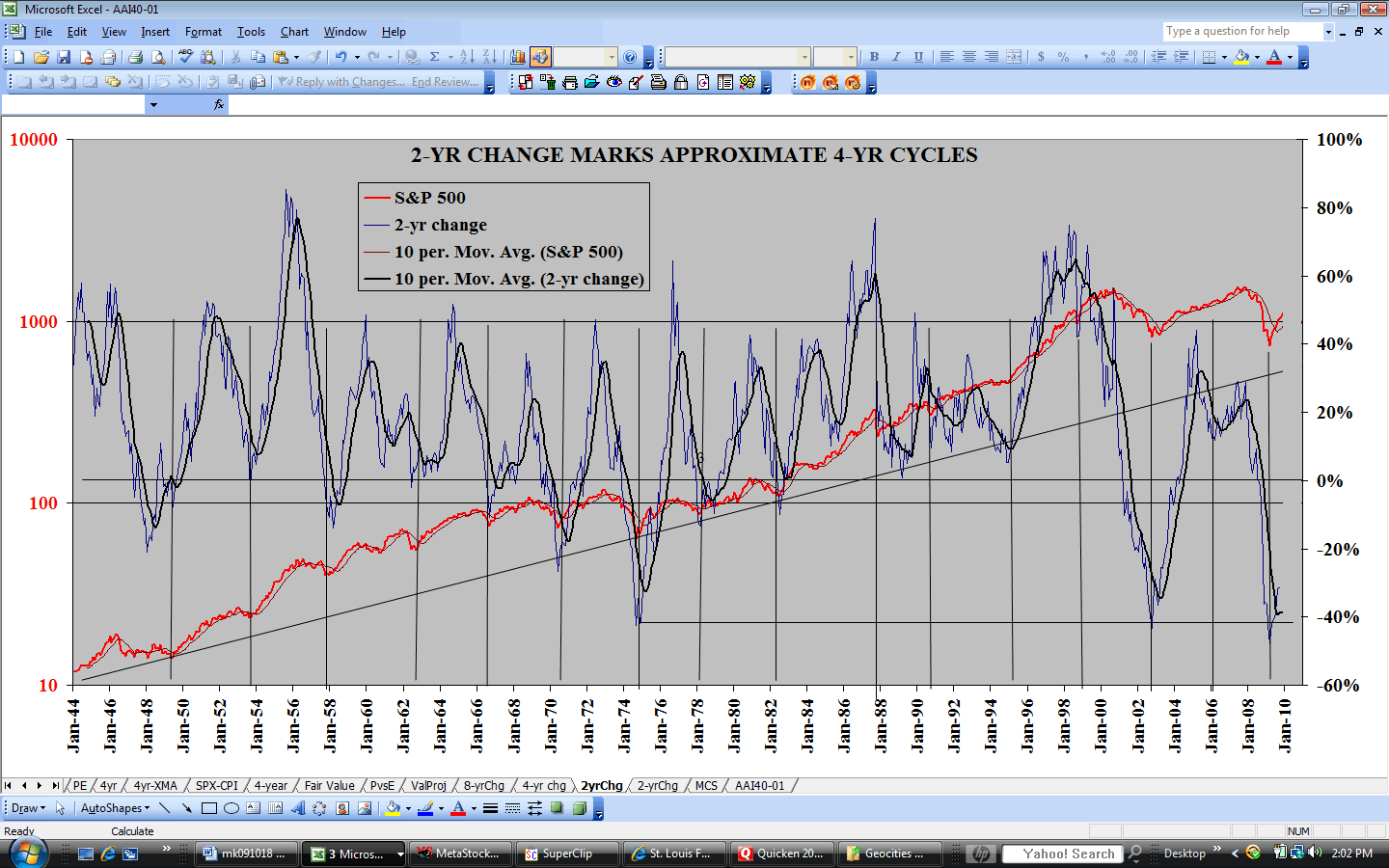
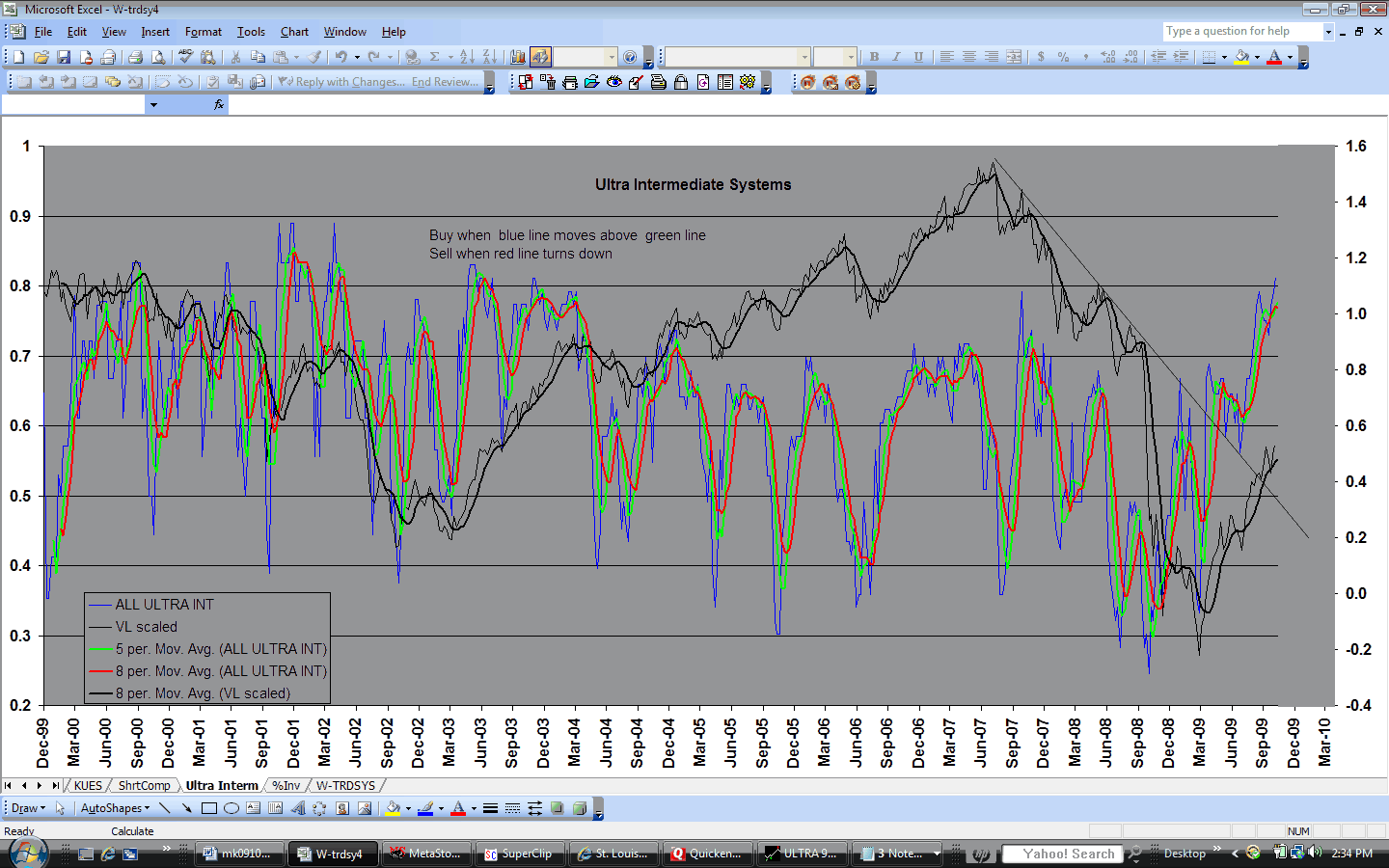
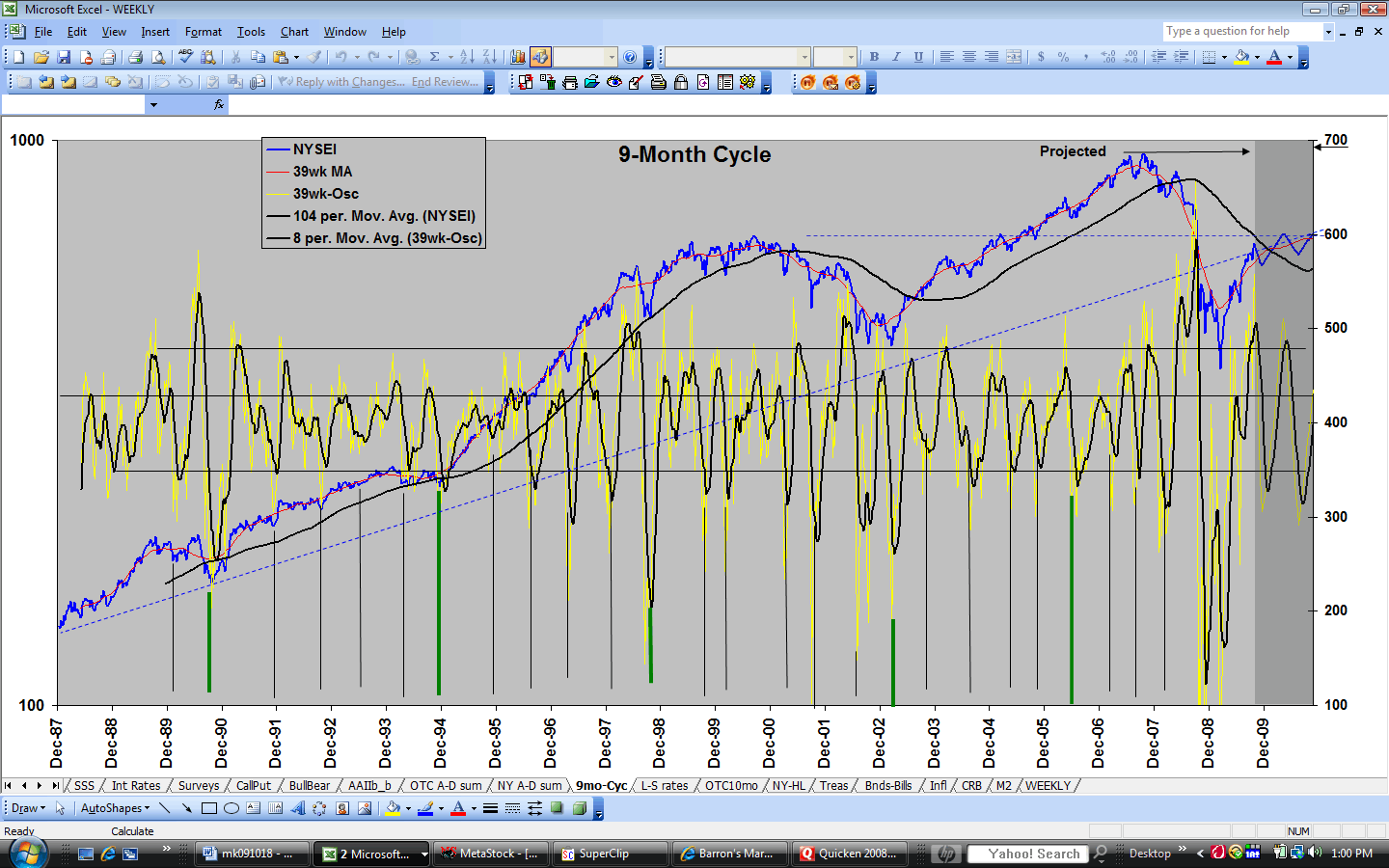
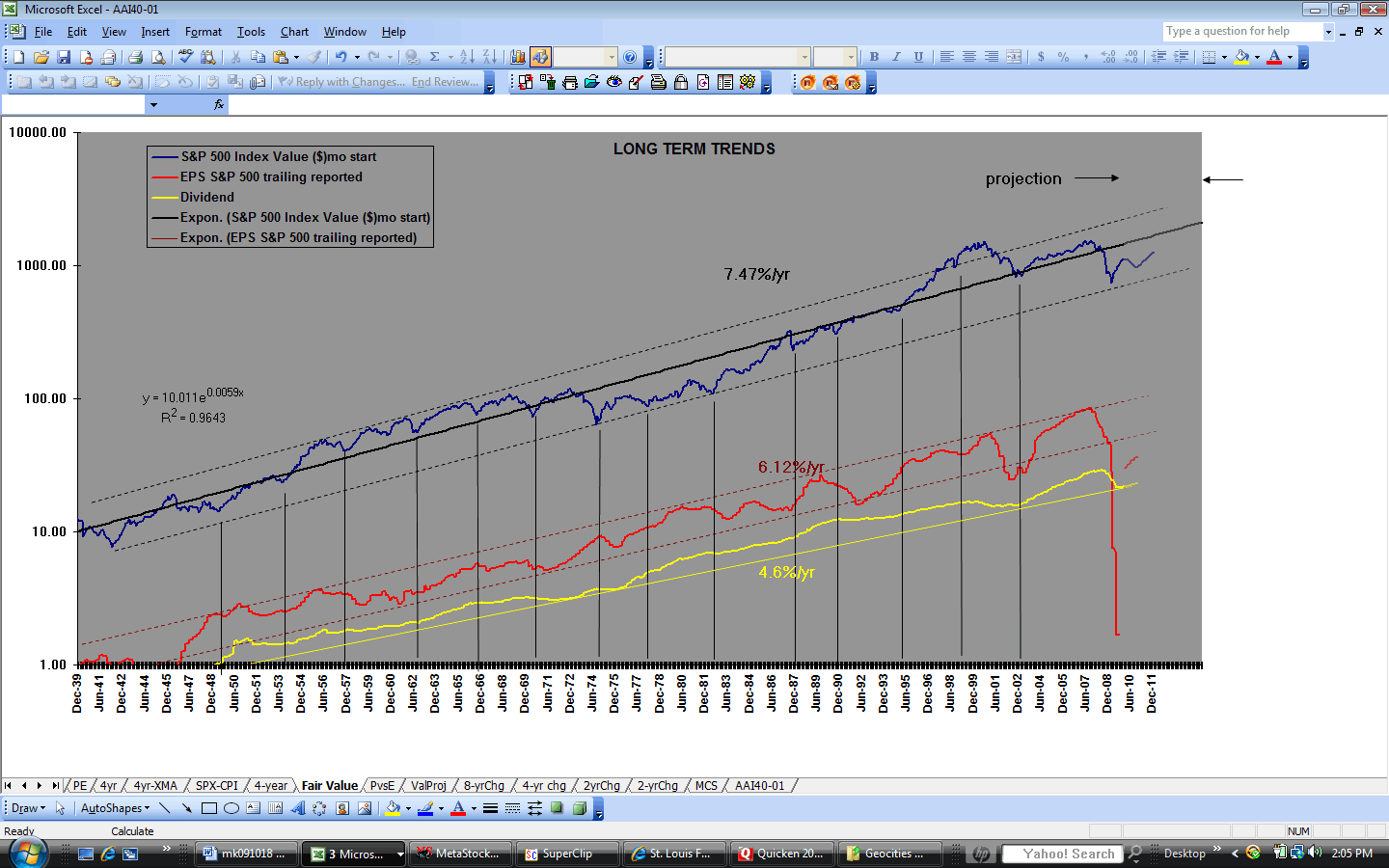
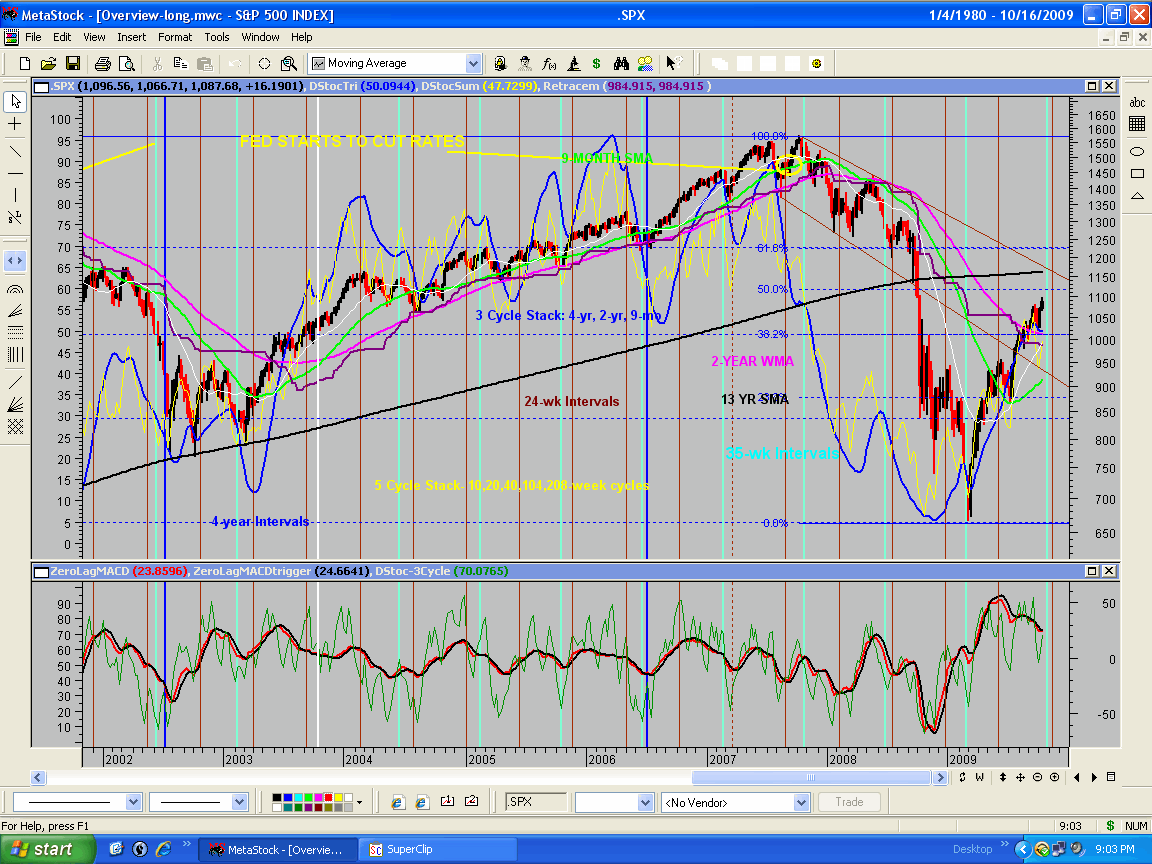
Can we see technical support at those levels? The only significant interruption in the 90’s bull market at prices below current levels occurred in 1994. The 1994 high was 483 and the low was 439, so the next major support would be consistent with expected 3rd quarter operating earnings. I have found no reason to adjust my expectation of a 9-month cycle low in late summer ((http://www.geocities.com/petegersb/2-YrChange.GIF), (http://www.geocities.com/petegersb/UltraIntermediate.GIF), (http://www.geocities.com/petegersb/9moNYA.GIF )), and the bottom of the long-term trend channel (http://www.geocities.com/petegersb/SP60yr.GIF ) in that time frame is in the low 600’s. Below that level, a trend that has been in effect since at least 1942 will have been broken. Since the earnings trend over that same period has already been decisively broken, there is little reason to believe that the price trend won’t be broken. Another reason why we might expect the SPX in the 400’s is the 76.4% Fibonacci retracement of the entire 82-00 bull market, which stands at 450 (The 61.8% Fibonacci retracement at 660 (http://www.geocities.com/petegersb/Overview-long.GIF) is likely to provide support currently.)
Barron’s this week offered a similar valuation analysis that claims the S&P should hold above 500. It uses a more optimistic 2009 earnings estimate of $51 and a multiple of 10 on the assumption that the forward P/E is unlikely to go lower in a low interest rate environment. That’s probably true if interest rates remain low while the government is adding a couple of trillion dollars in new borrowing. Interest rates can remain low if the recession endures because the public is cutting its borrowing at an even faster rate than government is expanding its borrowing. But in an enduring recession we won’t see $51 earnings this year or Barron’s projected $54 for 2010. Barron’s also argues that the price/book ratio has dropped precipitously from historic highs to near normal levels. It fails to recognize that the ratio is still 30% above the 1974 and 1982 lows, and those book values are declining as huge write-offs continue. Similarly, market capitalization as a percent of GDP has also dropped precipitously to about the highs seen prior to 1993 – about the time when irrational exuberance was born. But it’s still nearly double the 1982 low.
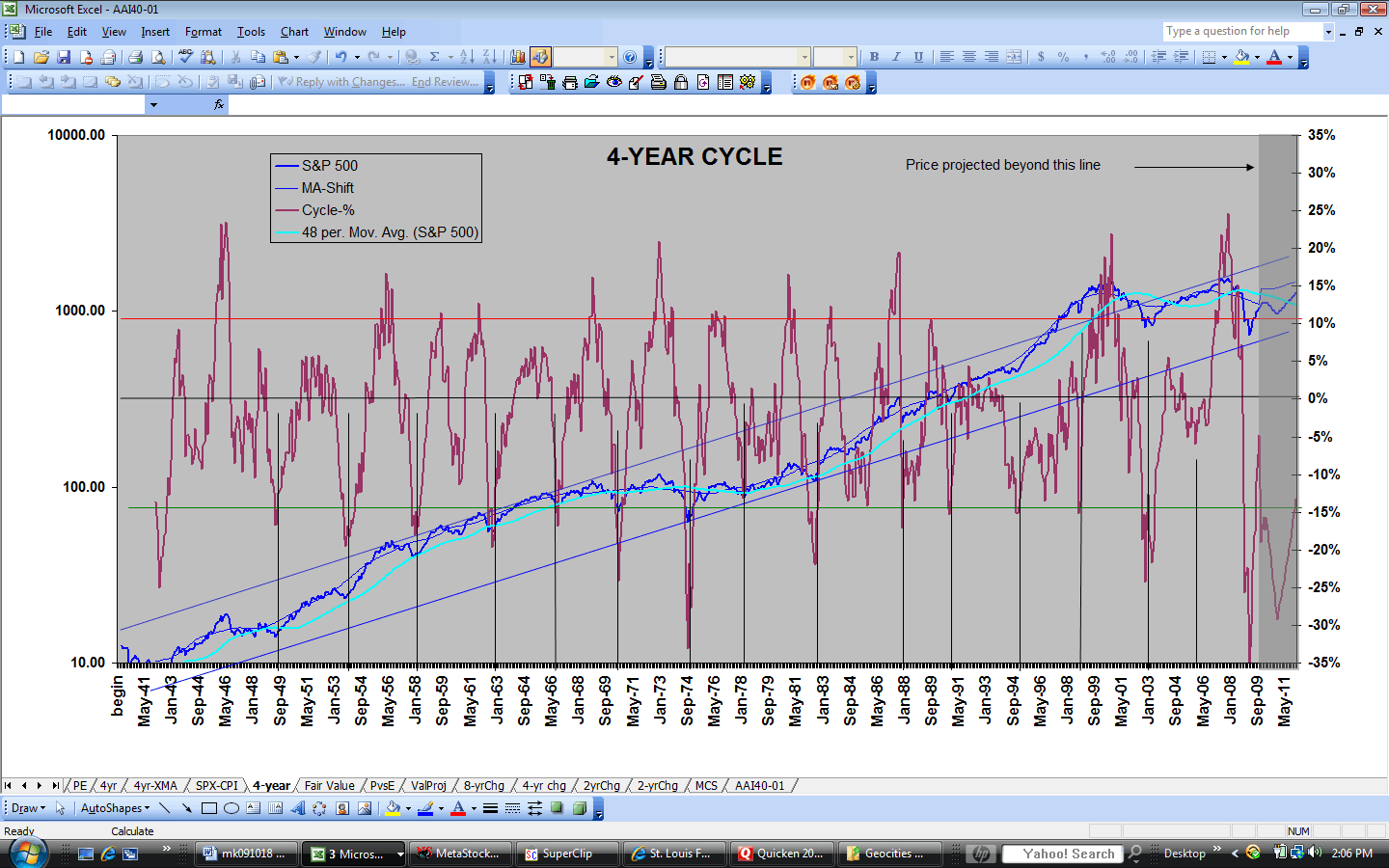
If the potential for 450 on the SPX in late summer is as high as the above numbers imply, I hesitate to even think about the potential for the 4-year cycle low next year (http://www.geocities.com/petegersb/4YearCycle.GIF). A successful test of one of the other 4-year cycle lows during the great 82-00 bull market would halt the decline above the following levels: 1990 – 294; 1987 – 226; 1982 – 103. I haven’t reflected even the 450 projection in any of my charts, preferring to hope that the trendline from 1949 (http://www.geocities.com/petegersb/2-YrChange.GIF) will hold in the low 600’s. Call it the “Audacity of Hope”.
Republicans, led by John McCain and minority leader Boehner
have now come out with their alternative to the administration’s economic
recovery plans – “hold federal spending at current levels”. That reversal from
the last 8 years when they were in control and their proposal to revert to the
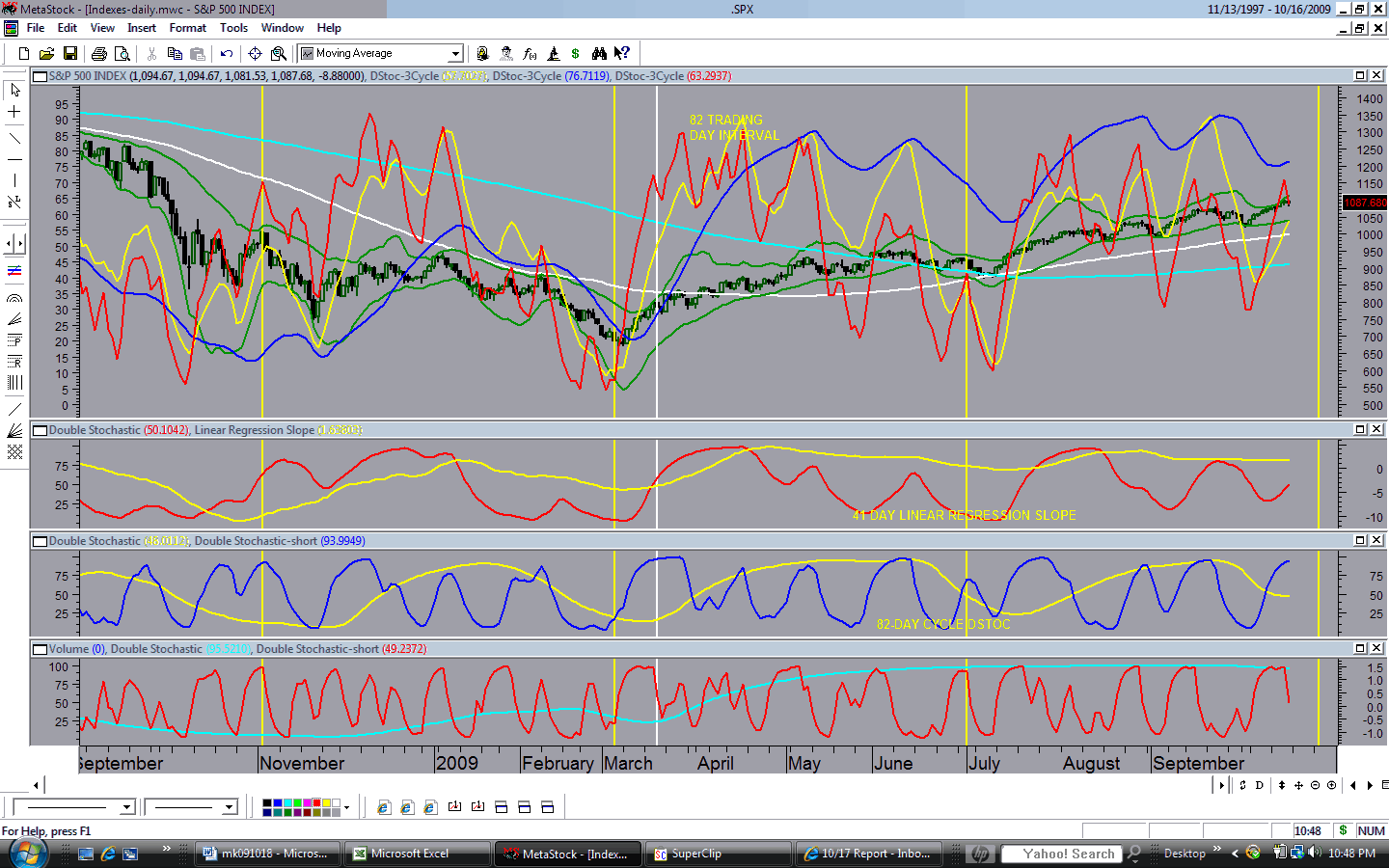
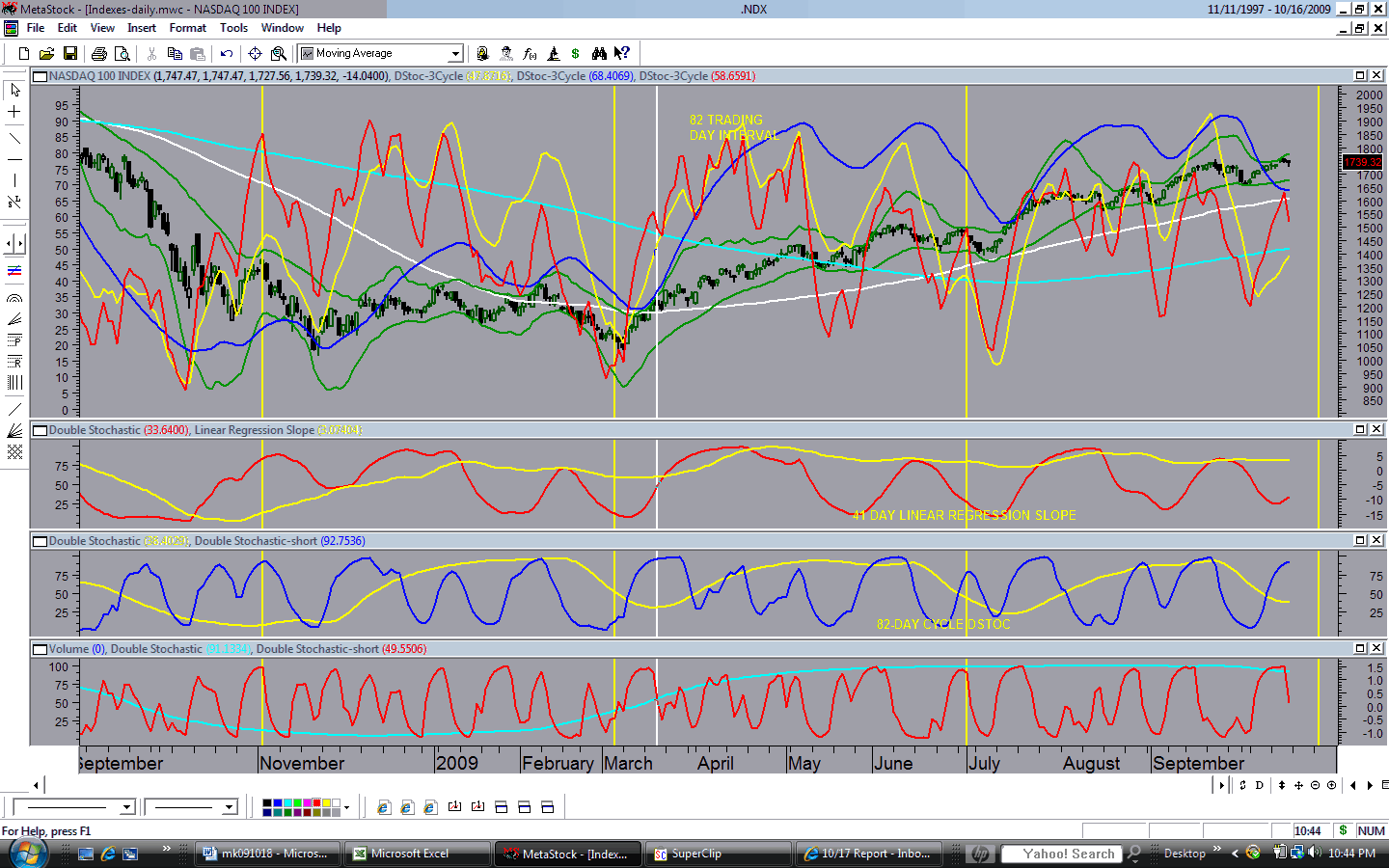
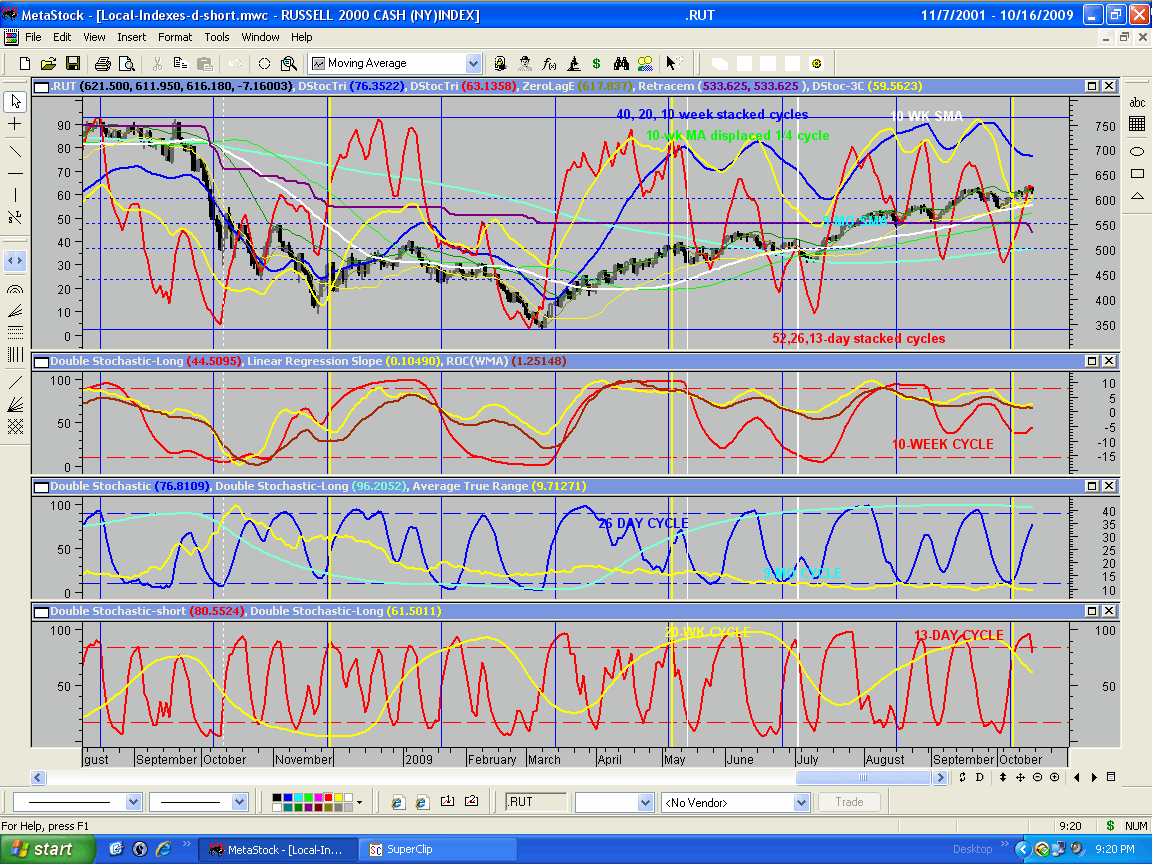
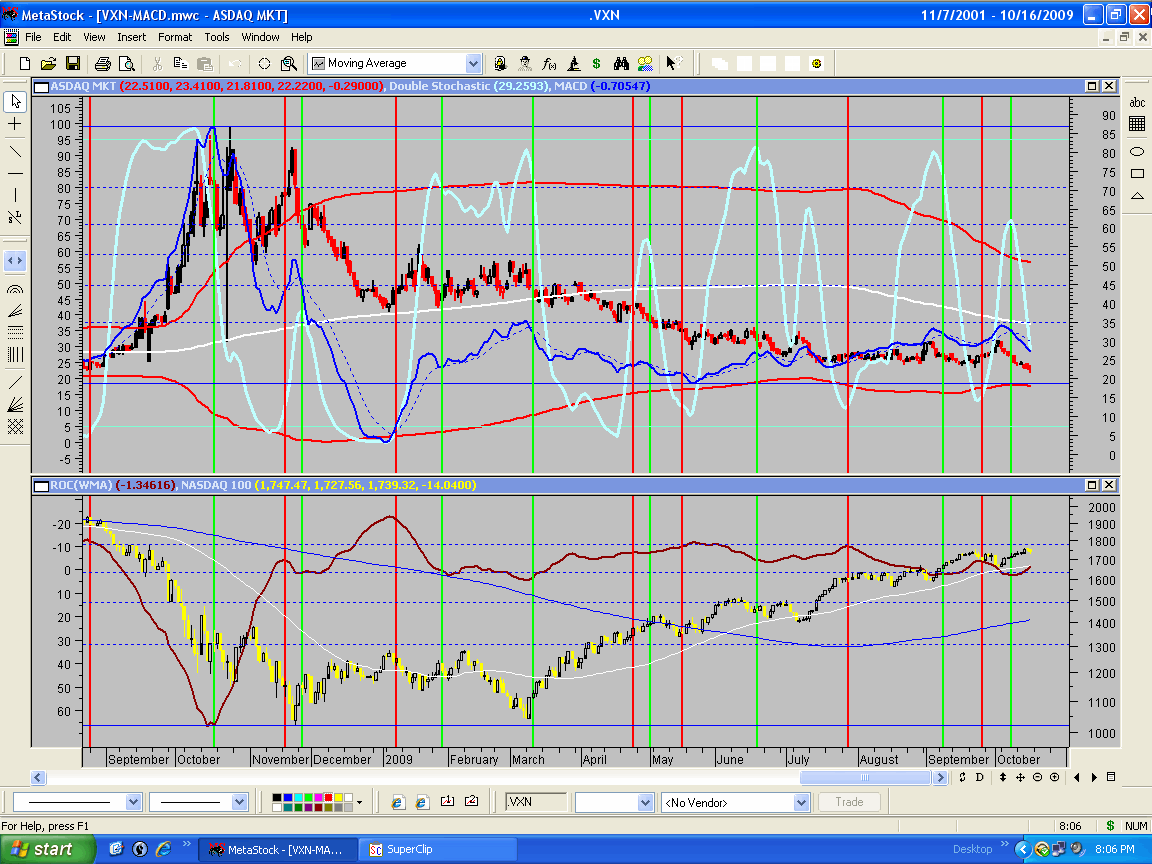
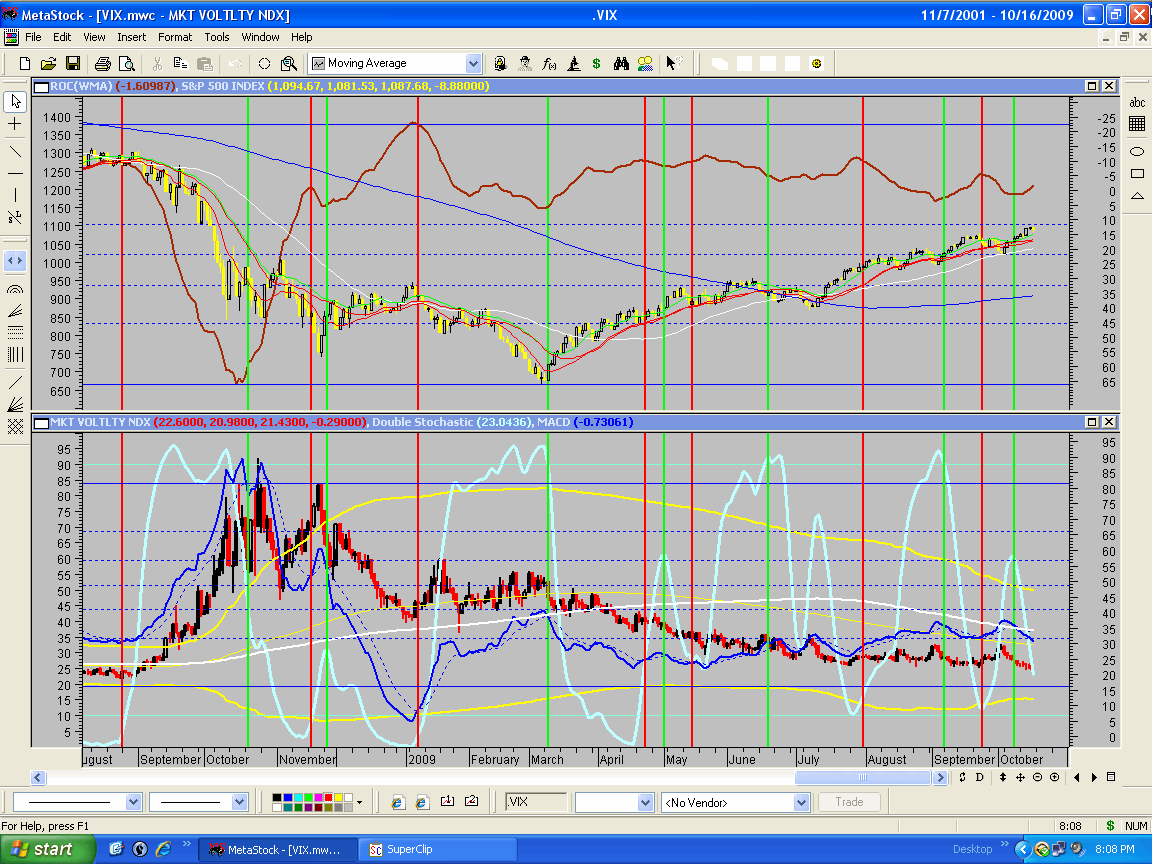
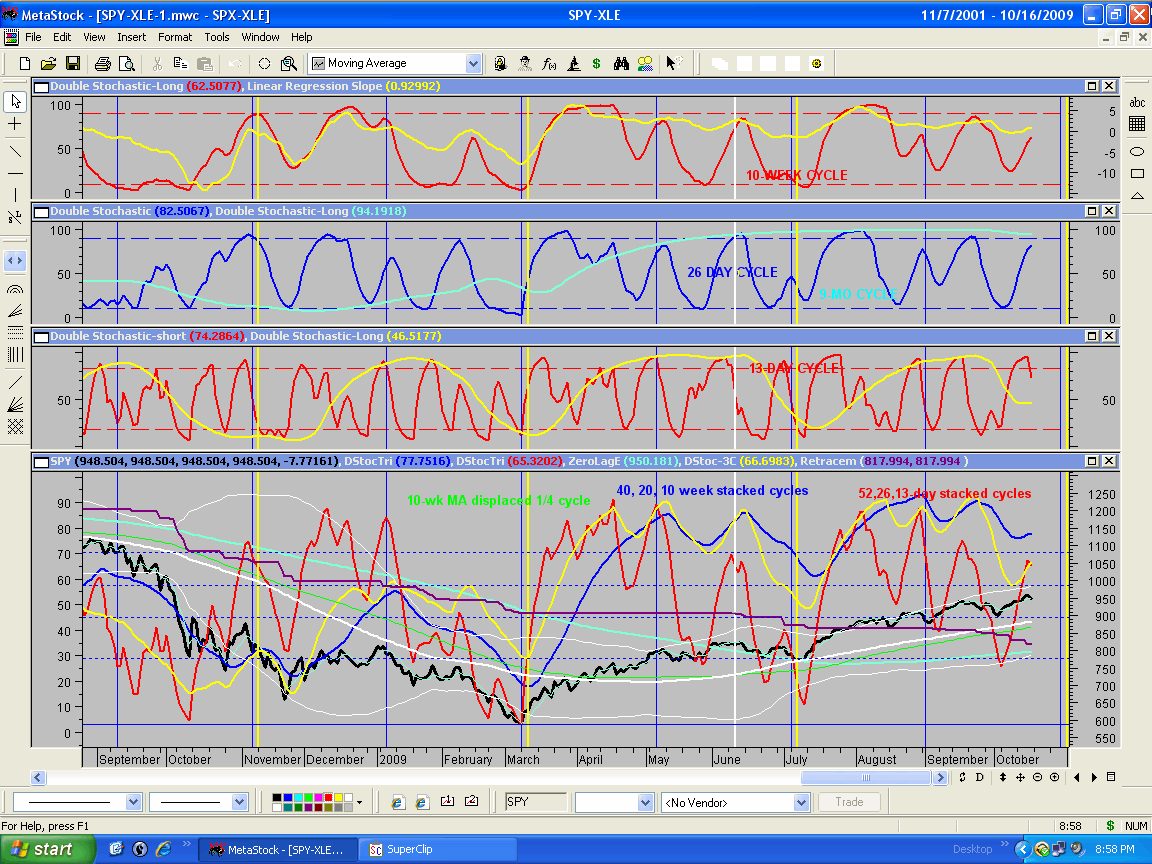
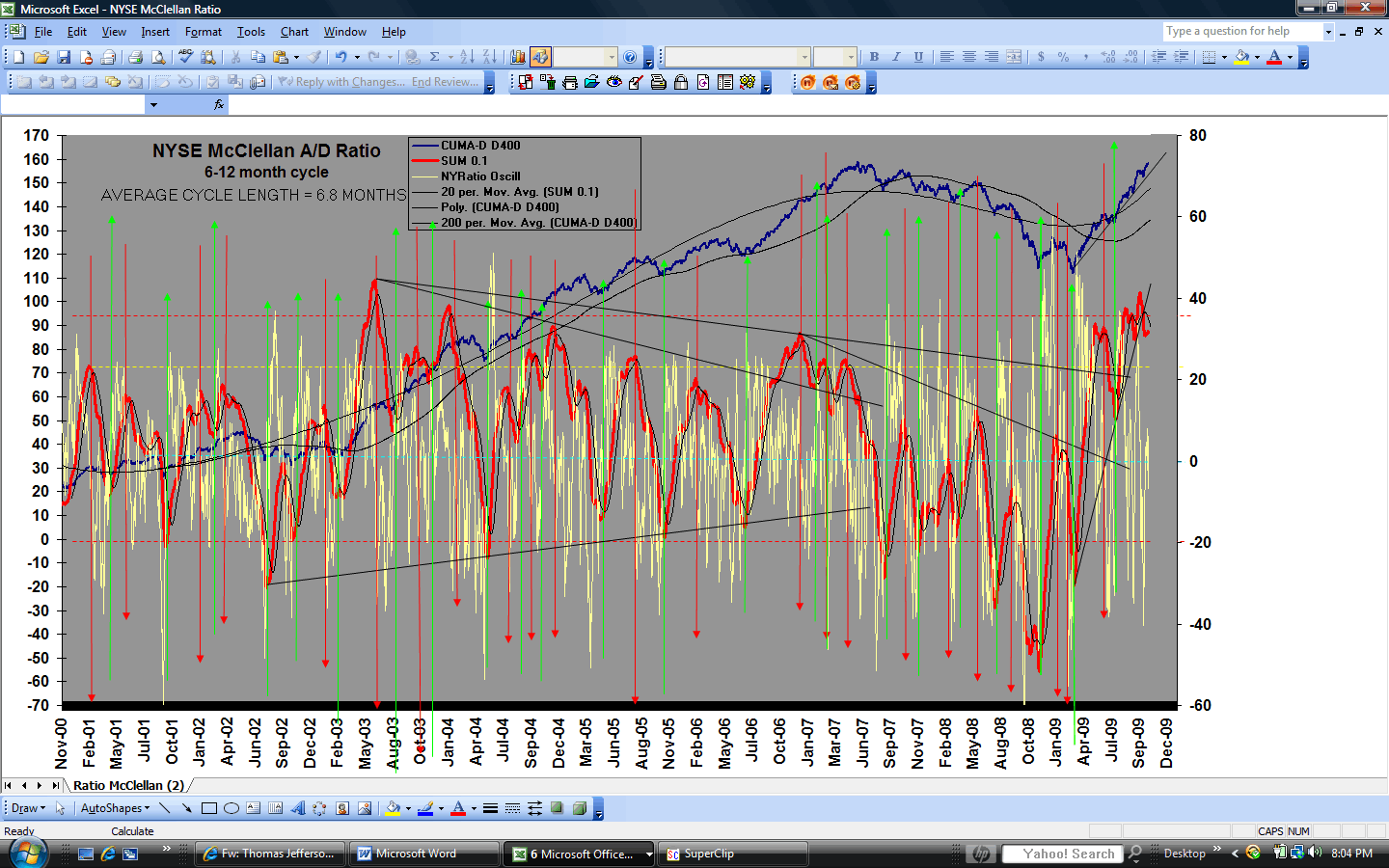
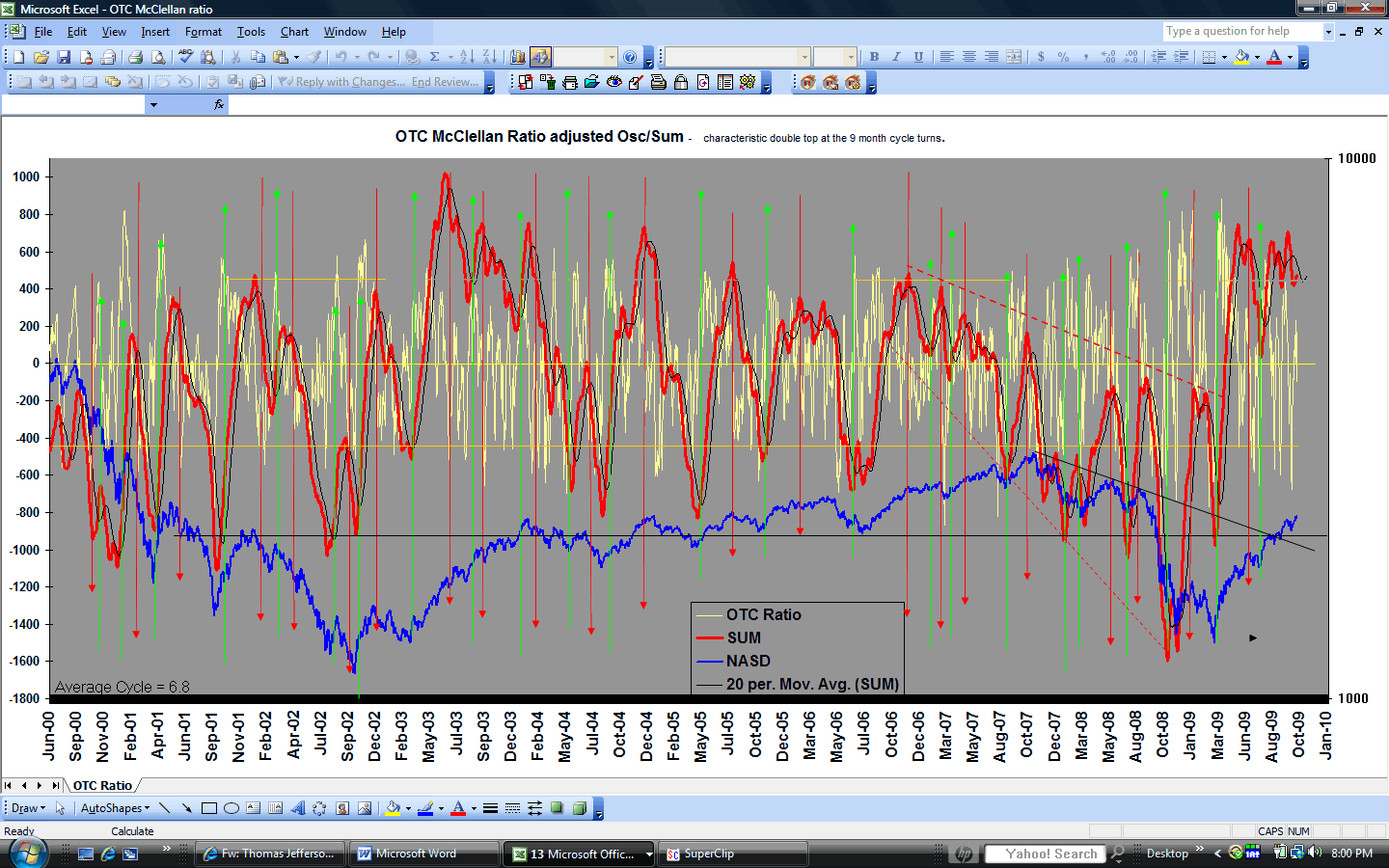
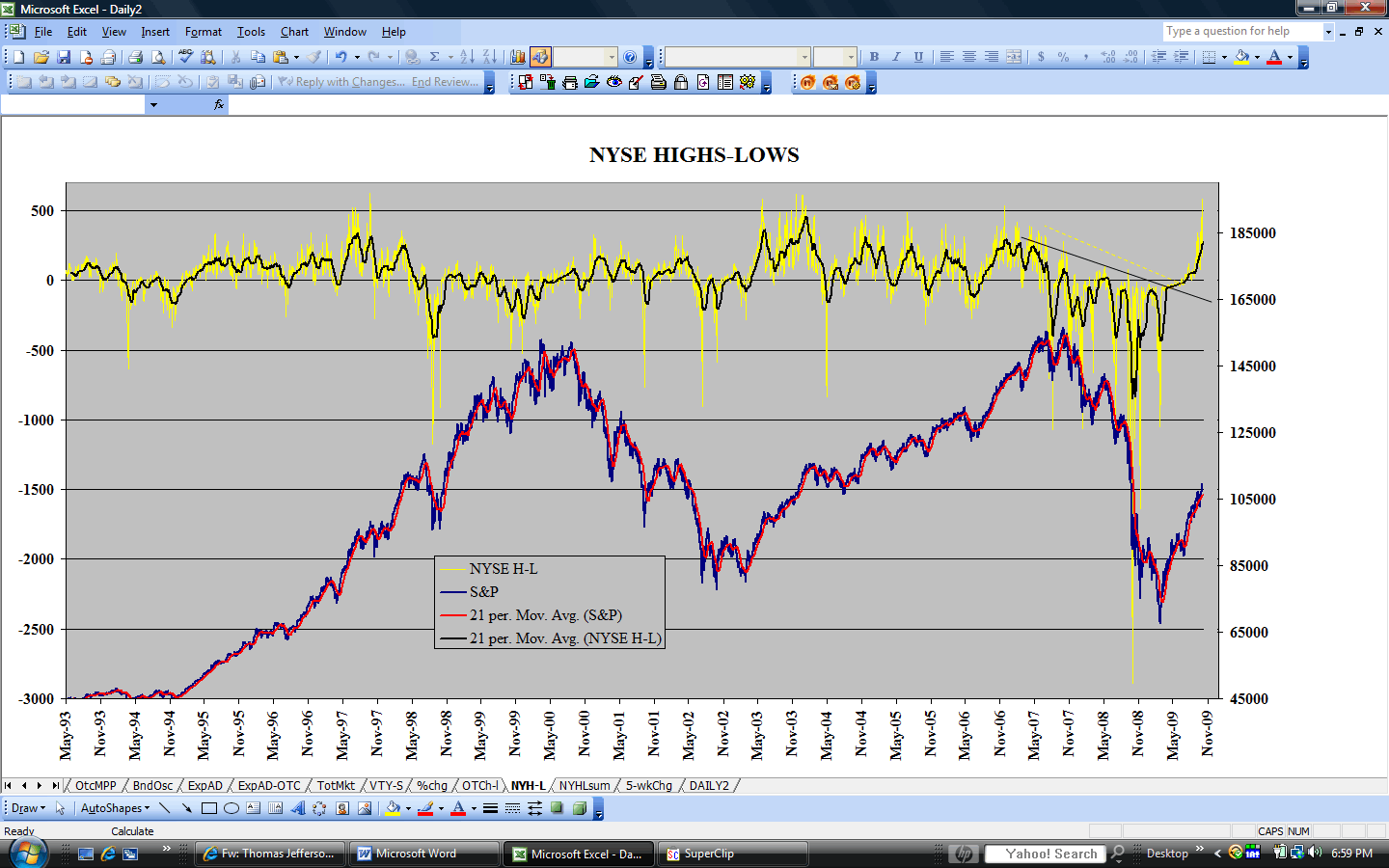
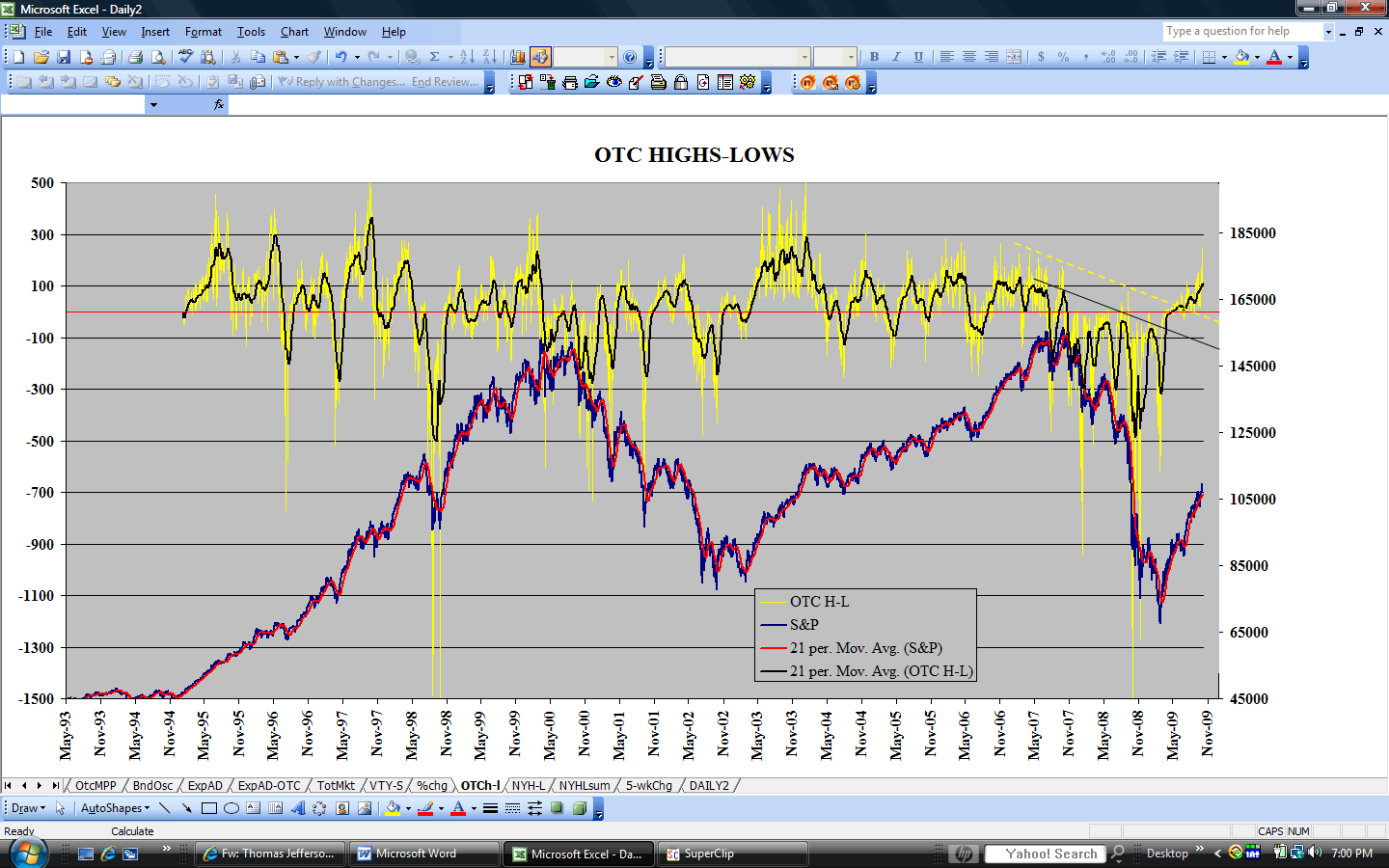
In the shorter term, cyclic conditions (SPX (http://www.geocities.com/petegersb/SP500.GIF), NDX (http://www.geocities.com/petegersb/NDX.GIF), and Russell small cap index (http://www.geocities.com/petegersb/Russell2000.GIF )) look much like they did near the 20-wk cycle low last July. The current 20-wk cycle is only 15 weeks old, but that is marginally within the time window for such a low. Unfortunately, neither the weekly VIX (http://www.geocities.com/petegersb/VIX-weekly.GIF ), nor the weekly VXN (http://www.geocities.com/petegersb/VXN-weekly.GIF ) look like they are ready for a 20-wk cycle bottom. The 10-wk cycle appears to be 7 weeks old - also within its potential bottom window. Both cycles are oversold, and the DStocs on the daily VIX and VXN (http://www.geocities.com/petegersb/VXN.GIF , http://www.geocities.com/petegersb/VIX.GIF ) are encouraging in again suggesting the proximity of a 10-wk cycle low. The shorter 26 and 13-day cycles turned up from oversold conditions on Friday on all of the popular indexes, but not if you exclude Energy (http://www.geocities.com/petegersb/SPY-XLE.GIF ). The 20-week cycle rally off of last July’s low amounted to only a 7% gain and lasted only a month, but today investors would be relieved by any interruption of the bear market. The 10-wk cycle looks more likely than the 20-wk cycle to interrupt the bear market in the short term. The breadth indicators (http://www.geocities.com/petegersb/A-Dsummation-NYSE.GIF , http://www.geocities.com/petegersb/A-Dsummation-OTC.GIF http://www.geocities.com/petegersb/HighLowNYSE.GIF , http://www.geocities.com/petegersb/HighLowOTC.GIF ) confirm the downtrend in the 9-month cycle, so you want to avoid buying into even a 20-wk cycle rally. Use any 10-wk cycle rally to exit if you are long or go short if you are aggressive.
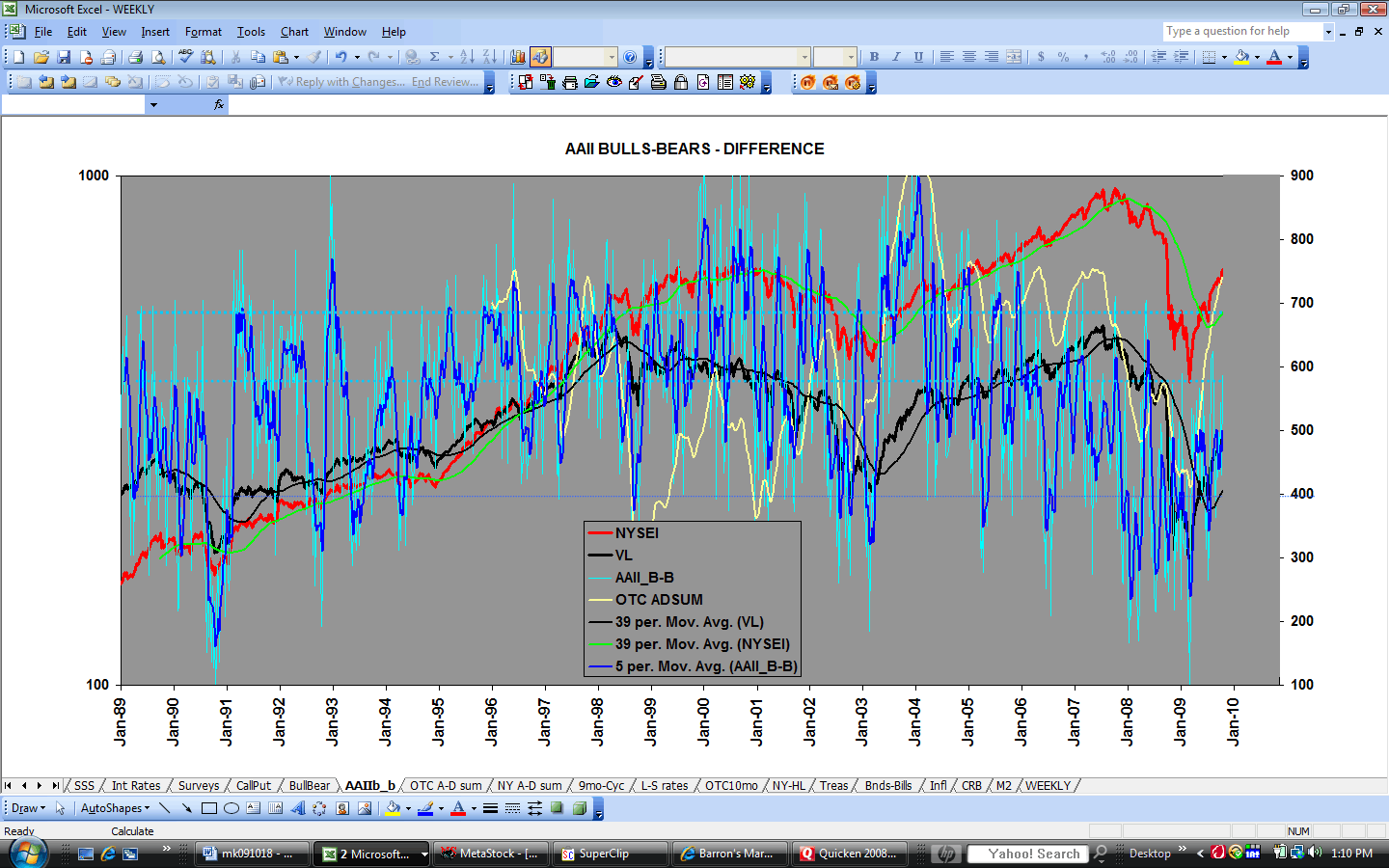
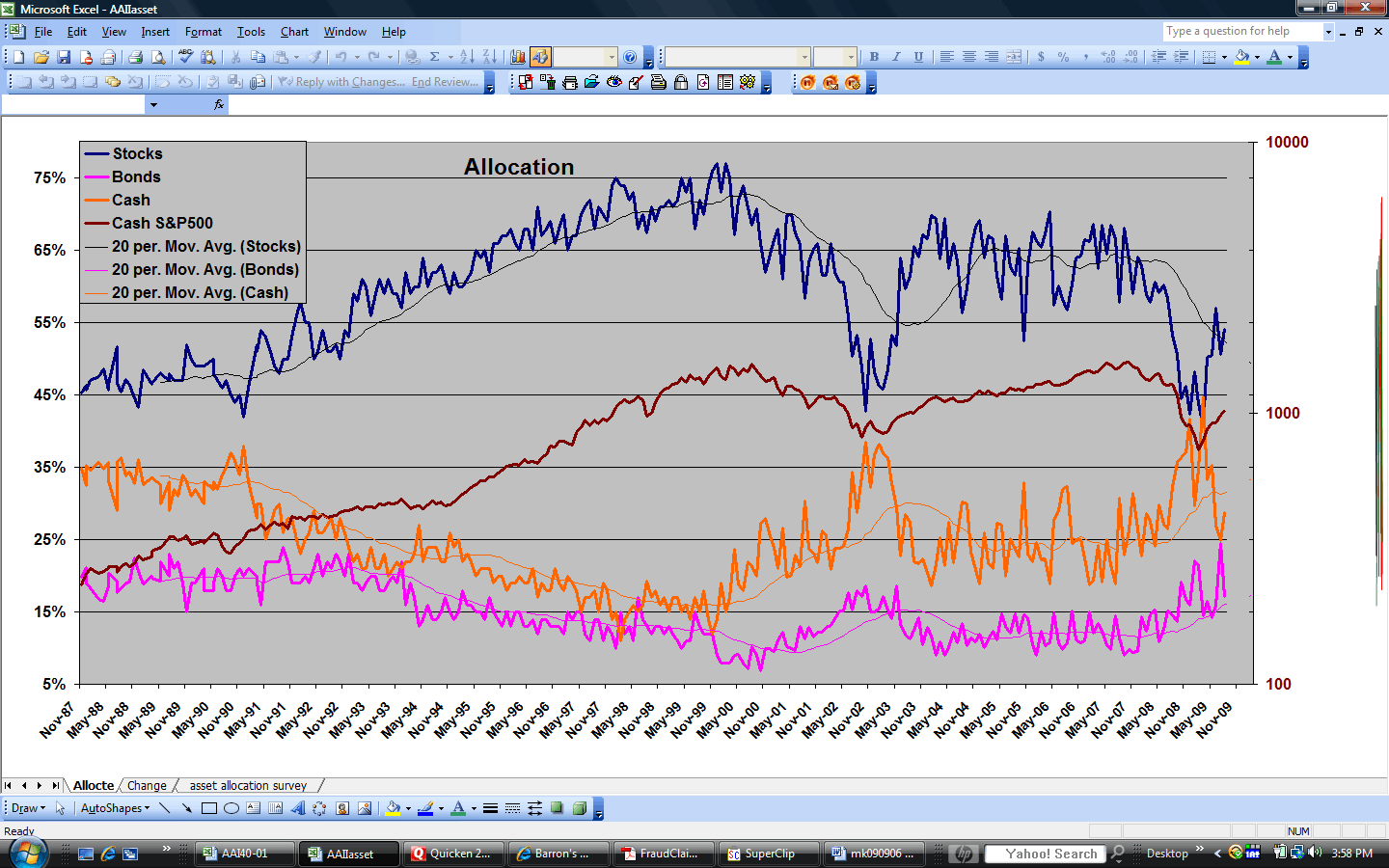
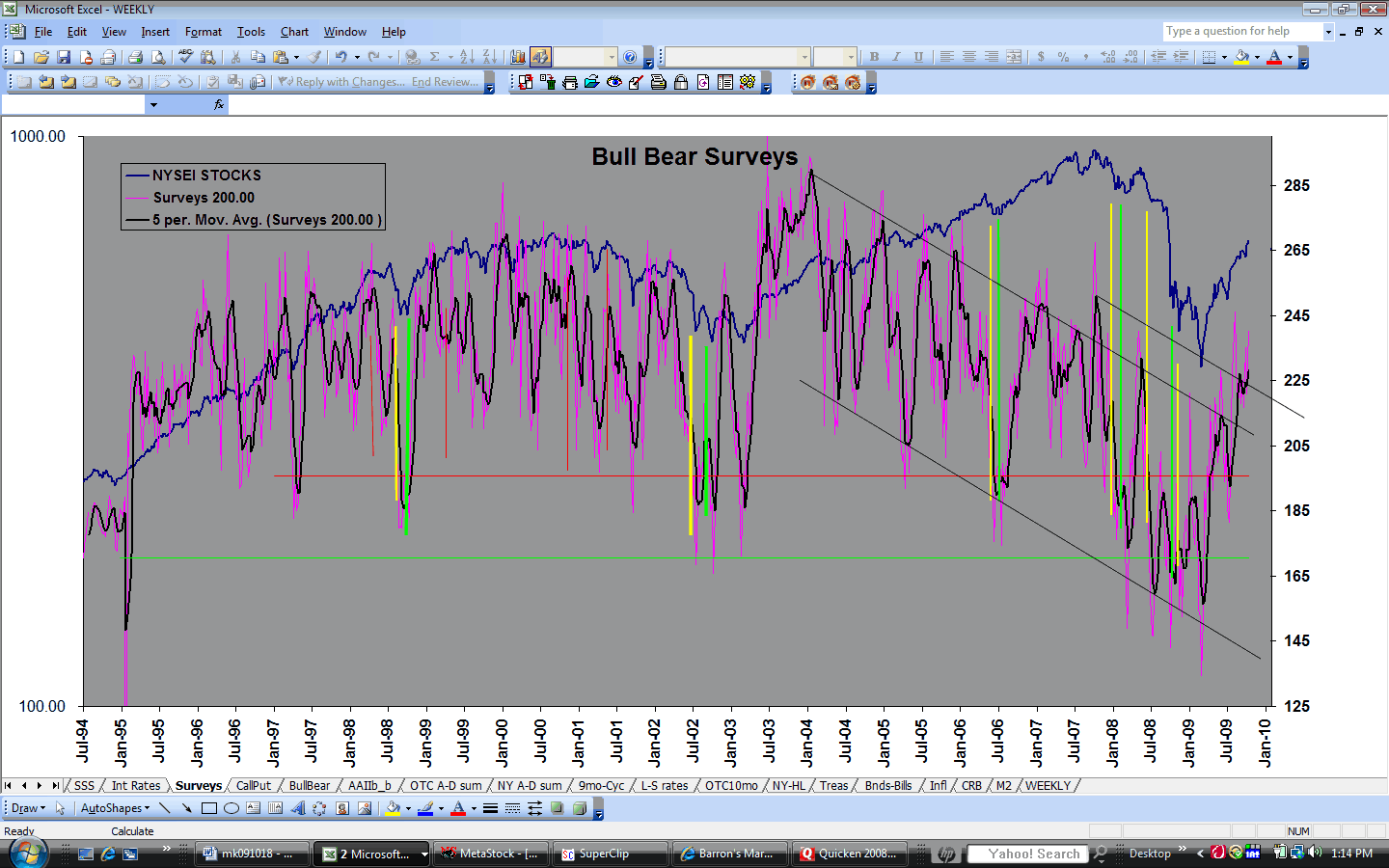
Sentiment, as measured by AAII opinion (http://www.geocities.com/petegersb/AAIIsentiment.GIF ) has reached depths not seen since the 1990 pessimistic extreme. Members’ stock allocations (http://www.geocities.com/petegersb/AAIIassets.GIF ) have reached the levels at the 2002 and 1990 lows (about 42%), but due to an unusually high bond allocation, their cash allocation at 35% is well below the December level of 42%. Advisory services (http://www.geocities.com/petegersb/InvestorsIntelligence.GIF ) are also more pessimistic than they have been during most of the last decade, but considerably less so than at the November low – not an encouraging sign. Despite the deep pessimism its level is still increasing, and we can’t expect a bottom in stock prices until optimism starts increasing.
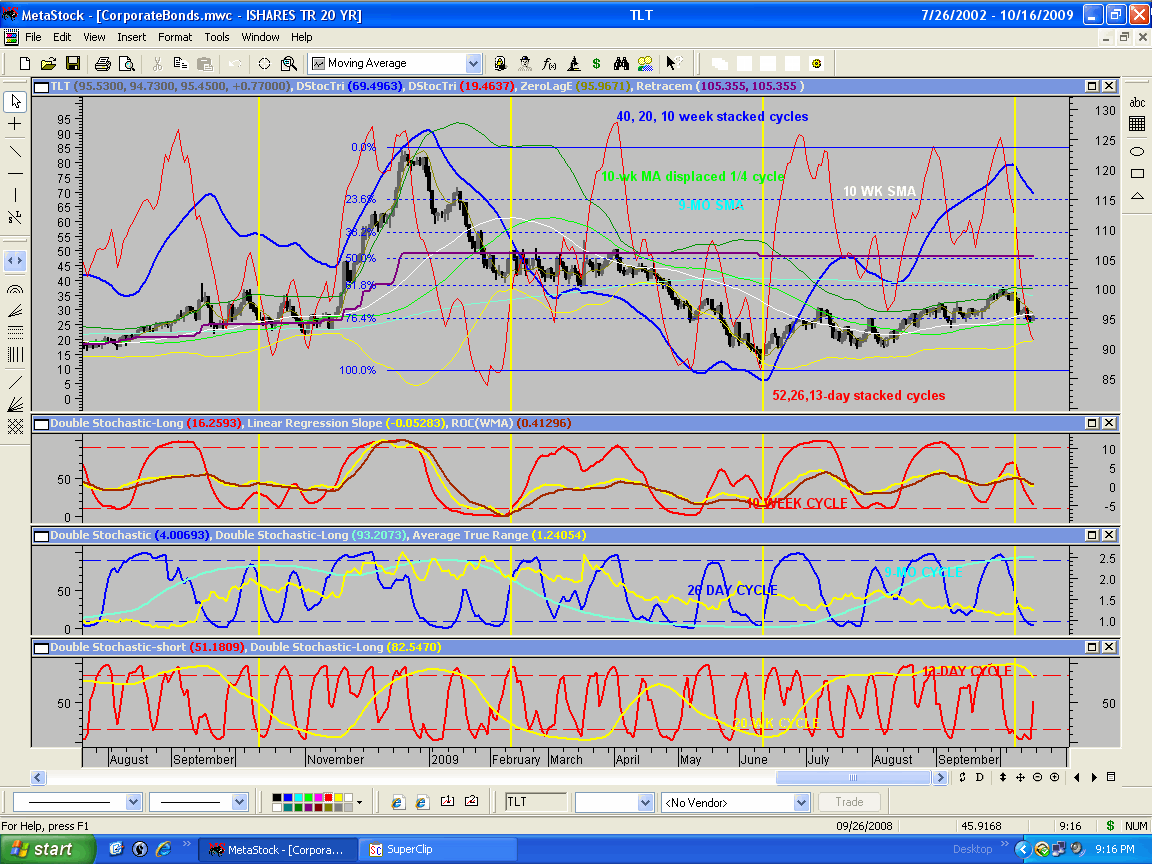
Treasury bonds (http://www.geocities.com/petegersb/Treasury-20yr.GIF ) held the February low on Wednesday and unexpectedly rallied strongly late in the week. Perhaps it can be attributed to the latest in a series of lousy job reports that probably will be revised downward as the last two were. In any case, the rally was strong enough to turn both short and intermediate composites upward. It may be the beginning of a 20-wk cycle rally, but it’s encountering resistance at the 50% retracement level that turned back all of the February rally attempts. This one looks a little more promising.
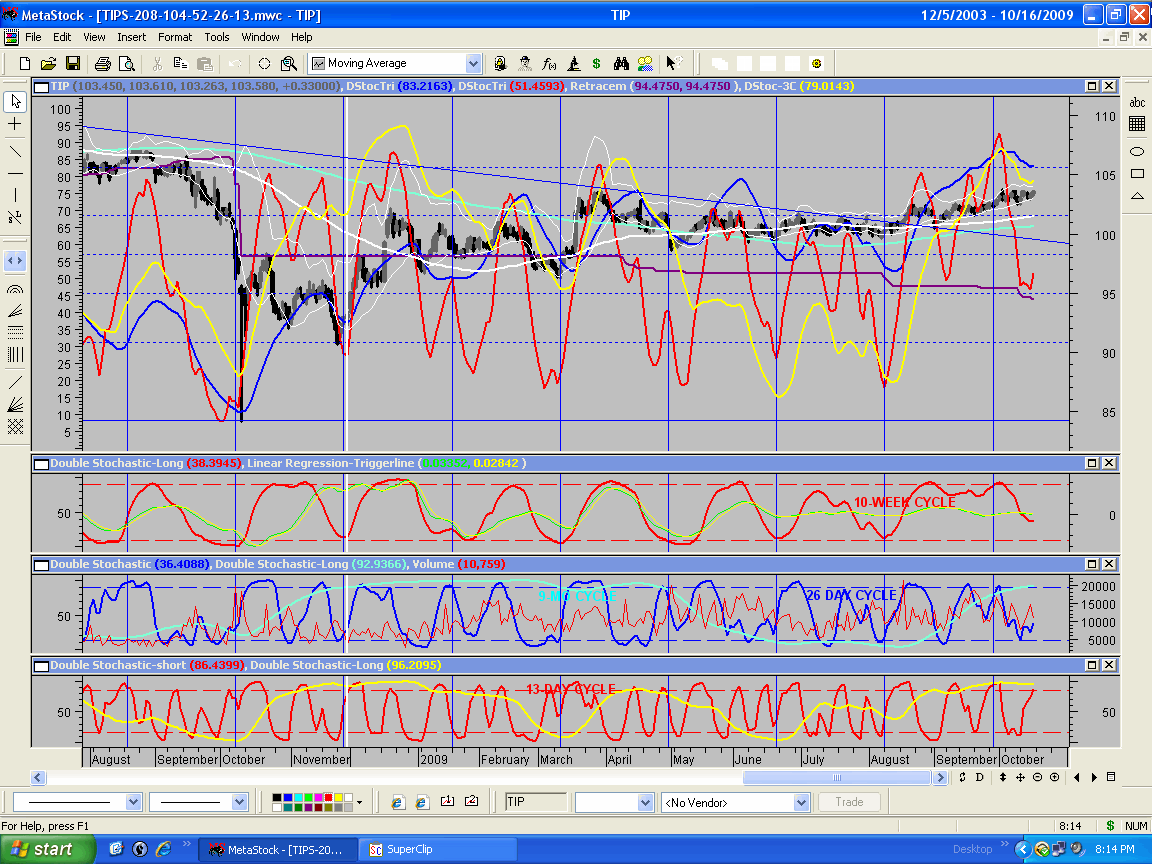
Inflation Protected Treasuries (http://www.geocities.com/petegersb/TIPs.GIF) established their short-term bottom a couple days earlier, but the rally wasn’t nearly as robust. The intermediate composite continues its downward trend.
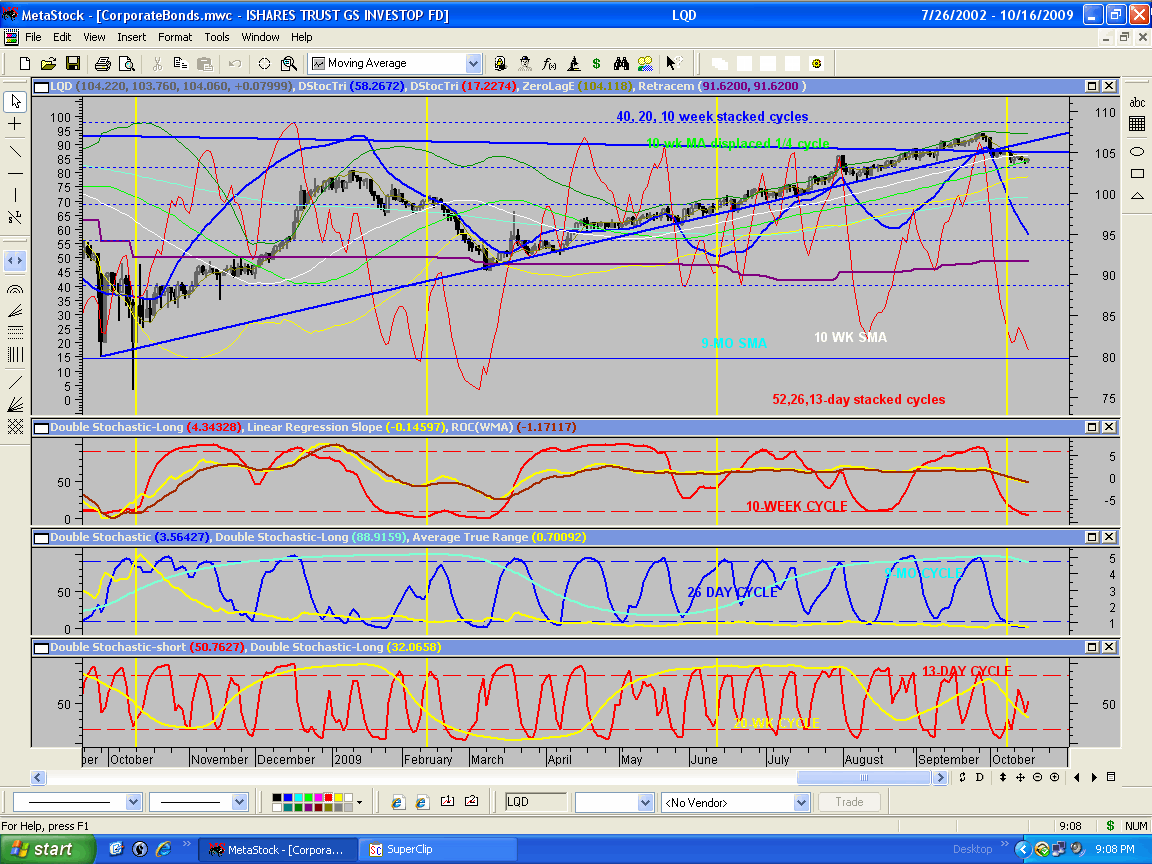
Corporate bonds (http://www.geocities.com/petegersb/CorporateBonds.GIF) probably established a short-term low on Thursday. Corporates are ripe for a 20-week cycle low as well, but the declining 9-mo cycle should keep any rally in check.
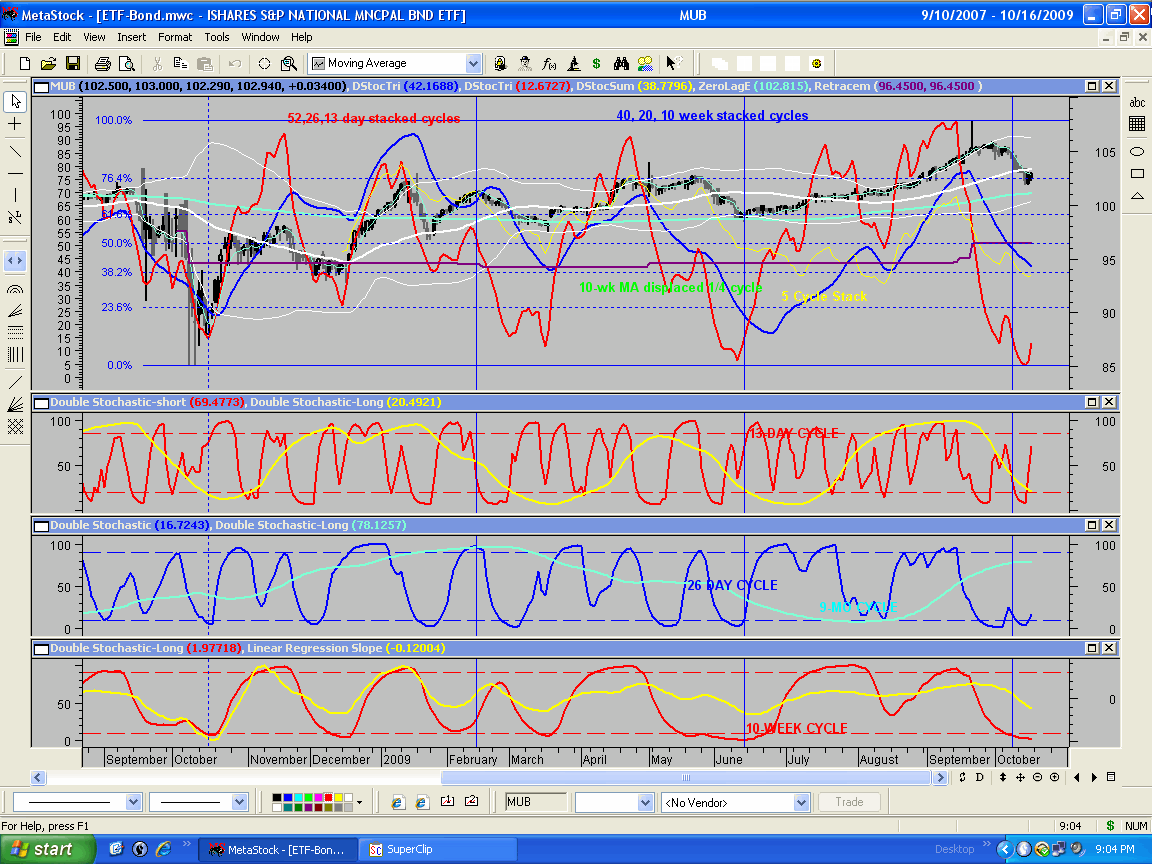
Municipal bonds (http://www.geocities.com/petegersb/MunicipalBonds.GIF ) also initiated a short-term rally late in the week. It too could turn into a 20-week cycle rally that would be inhibited by a down trending 9-mo cycle.
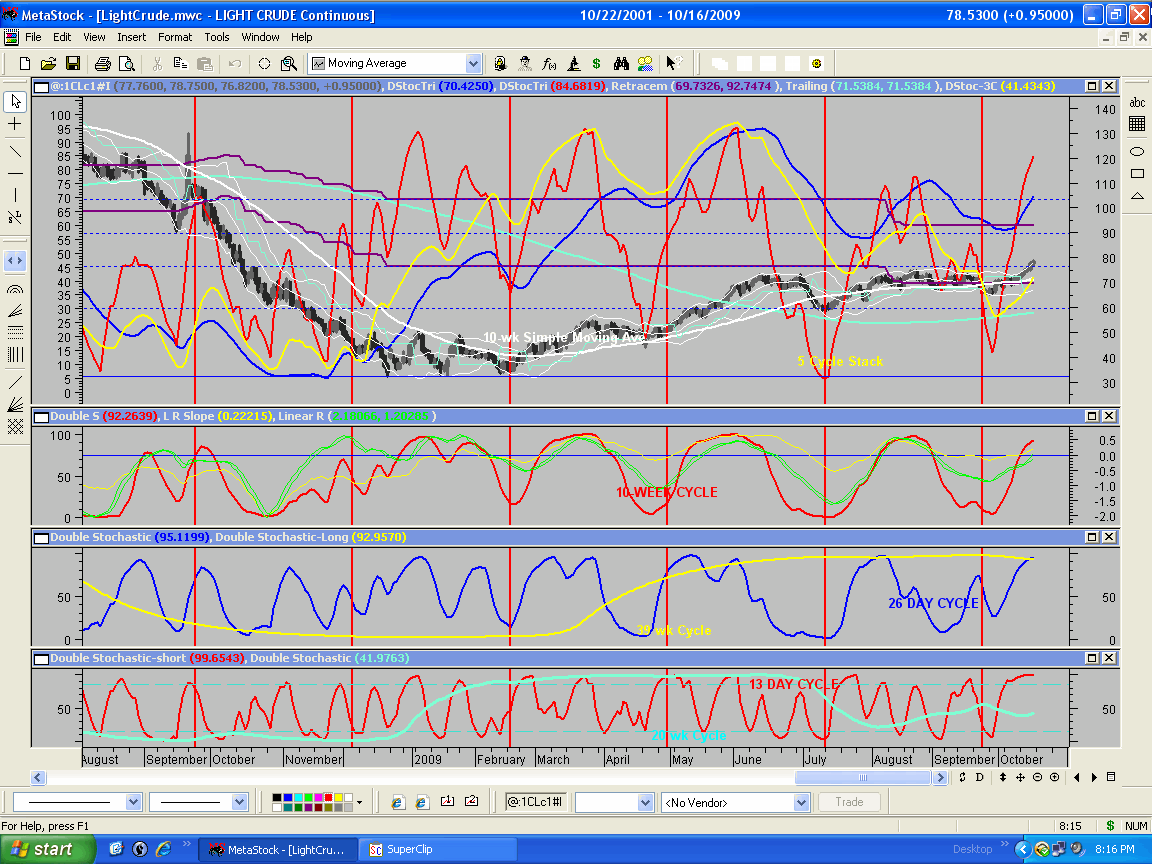
Crude oil (http://www.geocities.com/petegersb/CrudeOil.GIF ) gained a little more last week, but it continues to struggle at the January peaks. The rising 9-month cycle has not been very robust and the next 3 shorter cycles are overbought. I expect the trading range between $32 and $50 to persist.
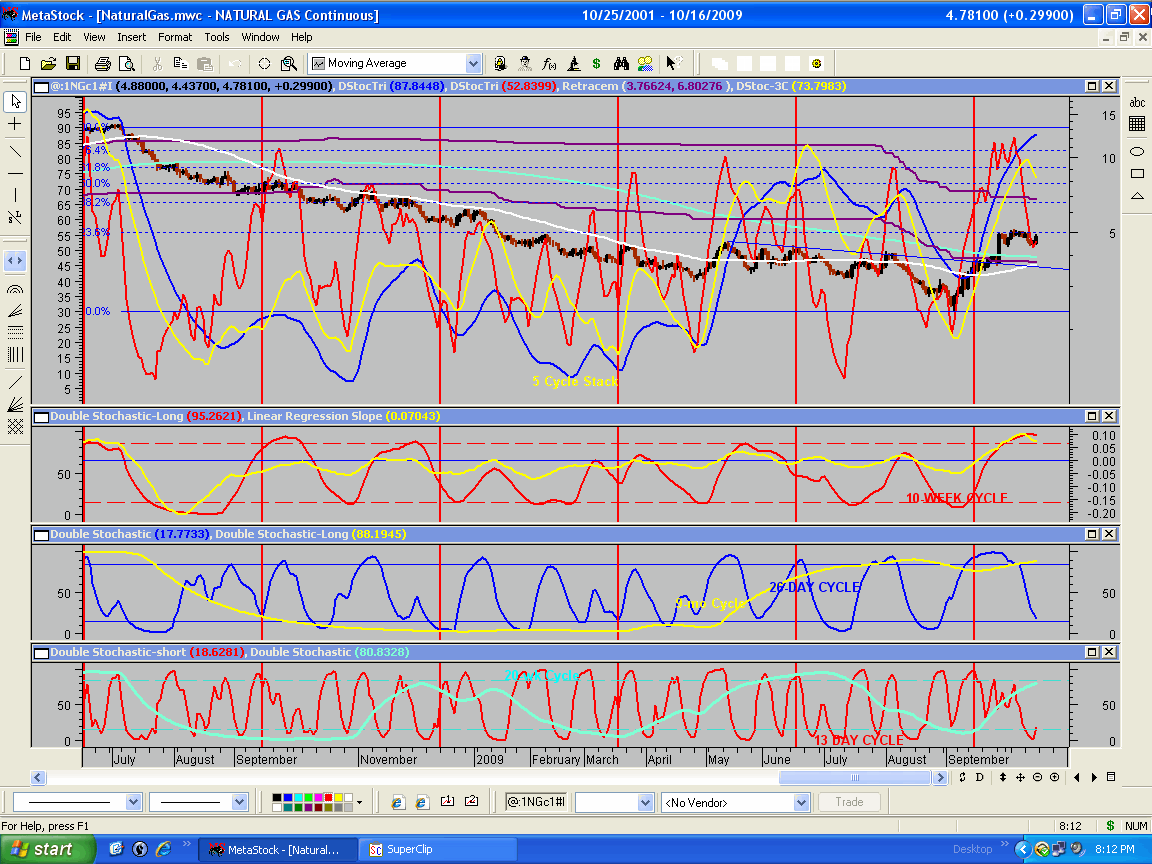
Natural gas (http://www.geocities.com/petegersb/NaturalGas.GIF ) narrowly avoided another new low on Friday after a rally attempt earlier in the week made it only up to the January low. The short-term composite turned down to threaten more new lows this week.
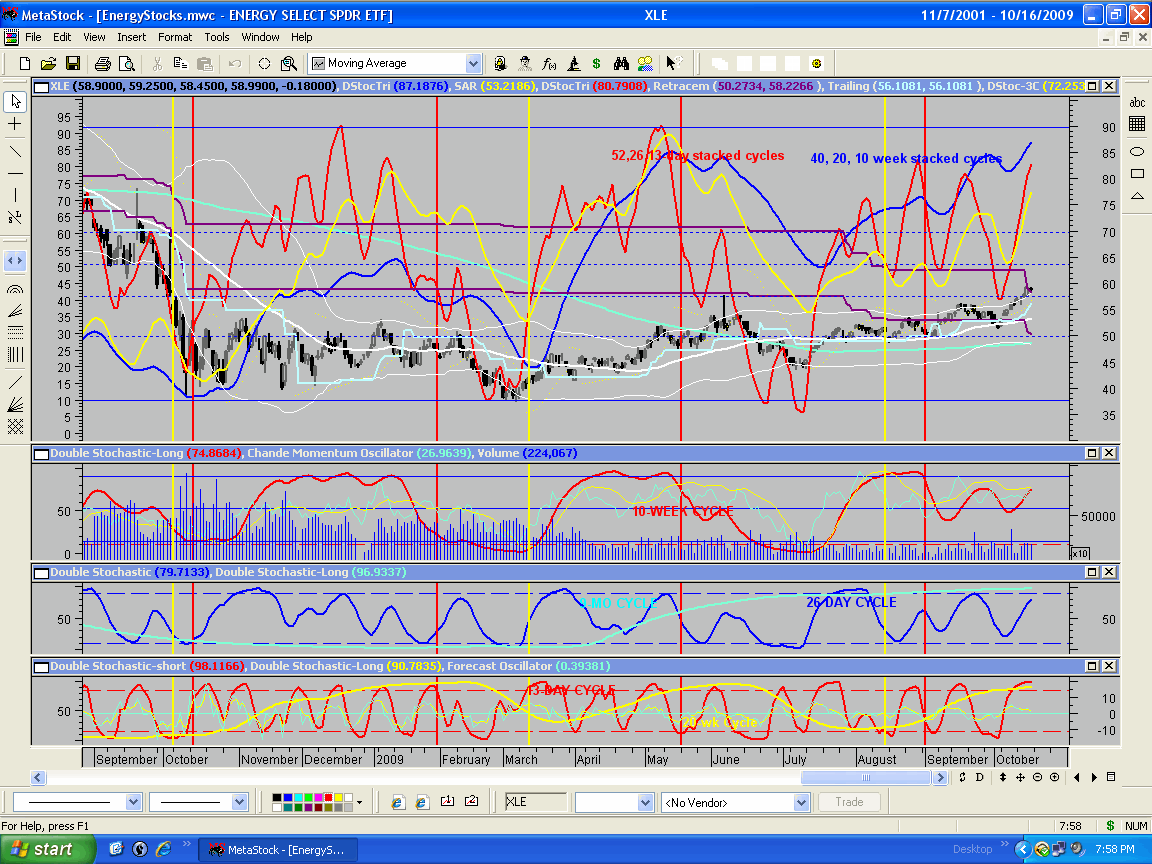
Energy stocks (http://www.geocities.com/petegersb/EnergySPDR.GIF) failed to sustain the budding short-term rally. We have a down trending 20-wk cycle, a mid-range 13-day cycle, and oversold conditions in the other cycles. The 13-day cycle suggests new lows this week. The predominance of oversold cycles, the 21 week age of the 20-wk cycle and the 32 day age of the 26 day cycle suggest the proximity of a 20-wk cycle low.
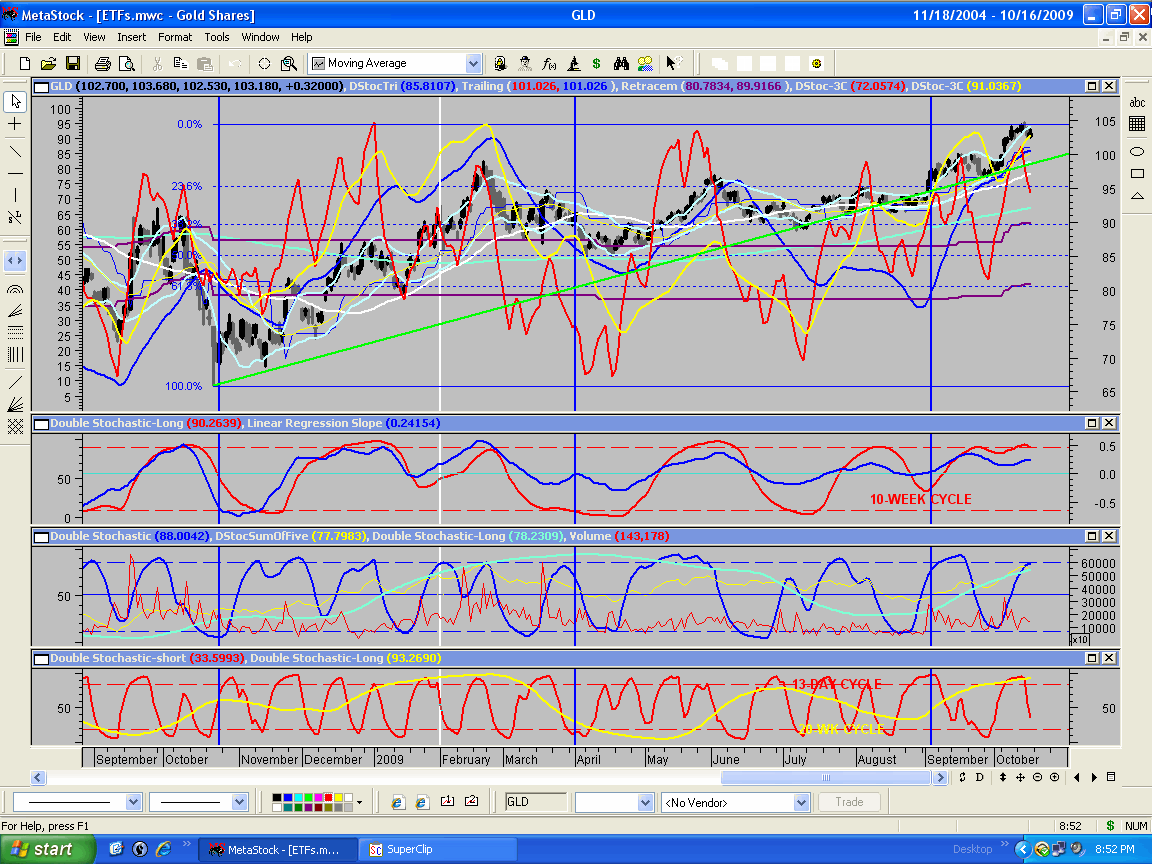
Gold (http://www.geocities.com/petegersb/GoldBullion.GIF) turned up at the 10-wk moving average to begin a
short-term rally within an intermediate downtrend.
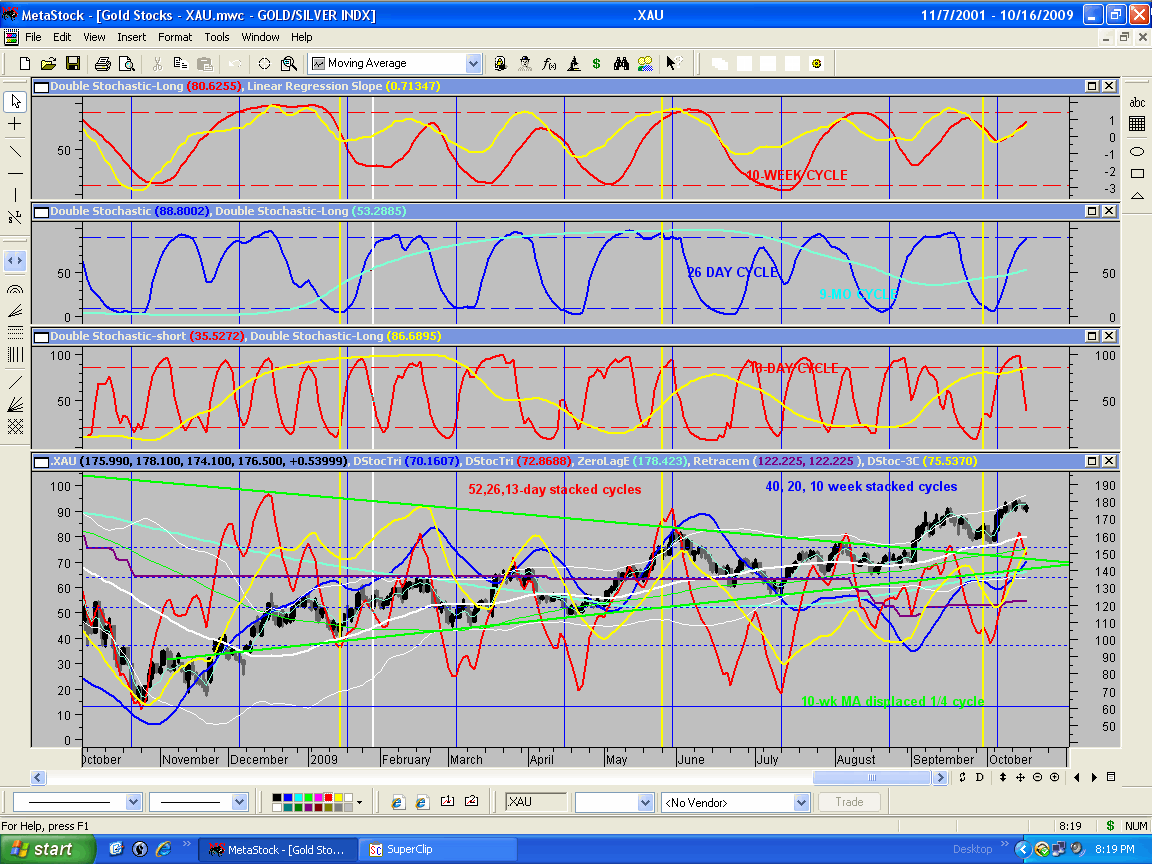
Gold Stocks (http://www.geocities.com/petegersb/GoldStocks.GIF
) dipped below the 10-wk moving average, but then rallied back to it as the
short-term composite turned up. While the short-term rally should persist this
week, it probably won’t get above the 9 month moving average before the
intermediate downtrend again dominates.
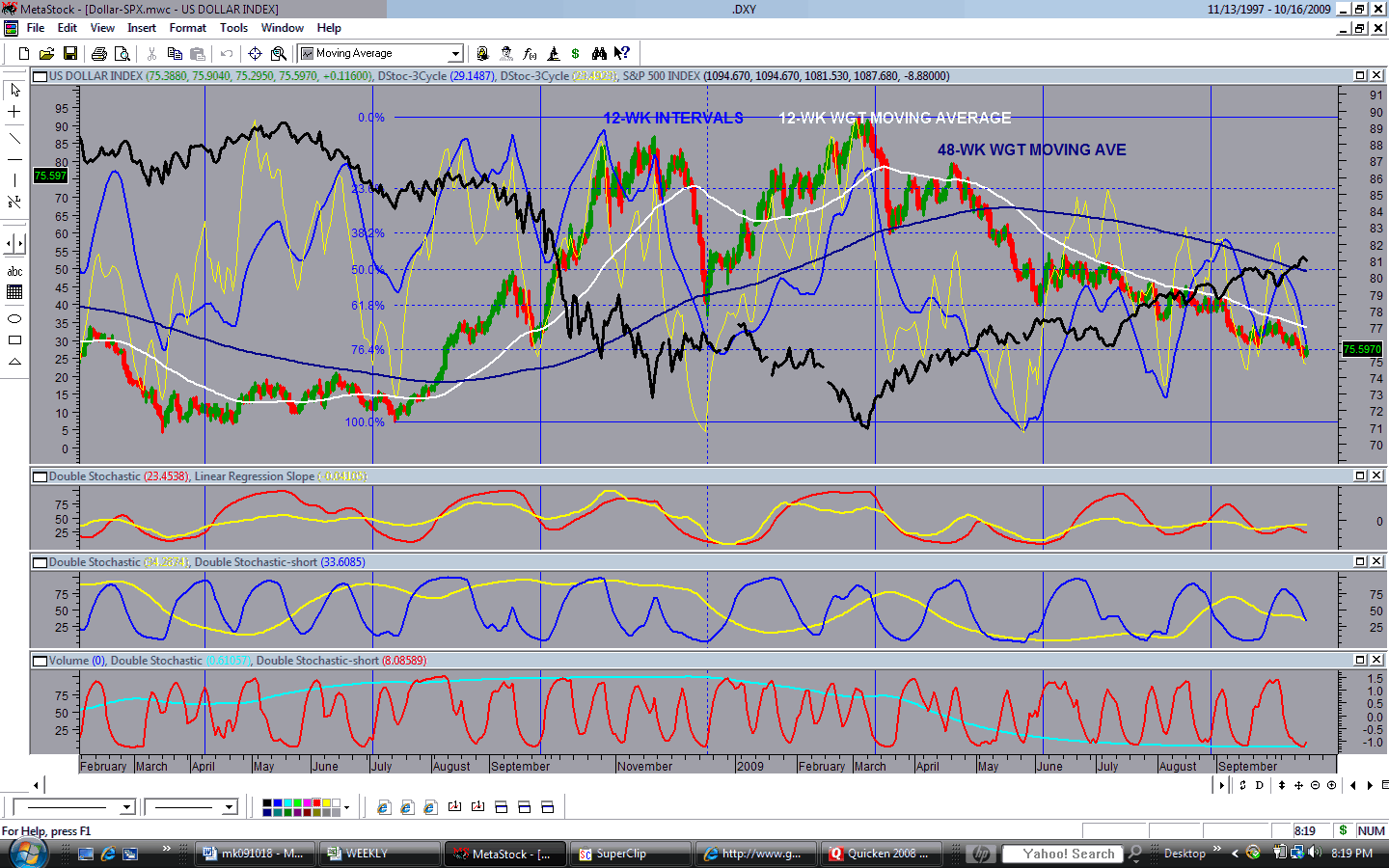
The dollar (http://www.geocities.com/petegersb/Dollar.GIF) broke above its November peak to a new 3-year high as suggested last week by the short-term composite. It wasn’t a very robust breakout, however, and the short-term composite has now turned down from an overbought level. The intermediate composite remains in an uptrend and it isn’t yet overbought. But the intermediate uptrend is 12 weeks old - a bit older than the prior two intermediate rallies that moved the dollar off of last summer’s historic lows. I suspect the dollar is on the verge of an intermediate decline, but the indicators haven’t yet signaled a turn.