6/29/08
It’s midyear and time to review my first half prognosis and make adjustments for the second half. In my December 30 report (http://www.geocities.com/petegersb/mk071230.html ), I wrote “For 2008, I expect a recession driven primarily by more downside in home prices, more increases in oil prices, and a consumer that can no longer borrow cheaply and easily enough to maintain the orgy of spending in excess of income. A recession should prevent much of a rebound in earnings of the Financial and Consumer Discretionary sectors, and cause the earnings slump to spread to most other sectors. A continuing decline in the dollar is likely to continue driving gold, inflation, and long-term interest rates higher. If the Fed is not stymied by the international money markets, the economy may hit bottom late in the year, but that is a very big “if”.” Long term interest rates are very close to where they were 6 months ago, and so is the 4%+ trailing CPI inflation rate, but the dollar has dropped another 5.6% and the near contract for gold has risen from $835 to $929 with an intervening spike above $1000. Two wins and two ties aren’t bad in economic forecasting, but how about my market forecast?
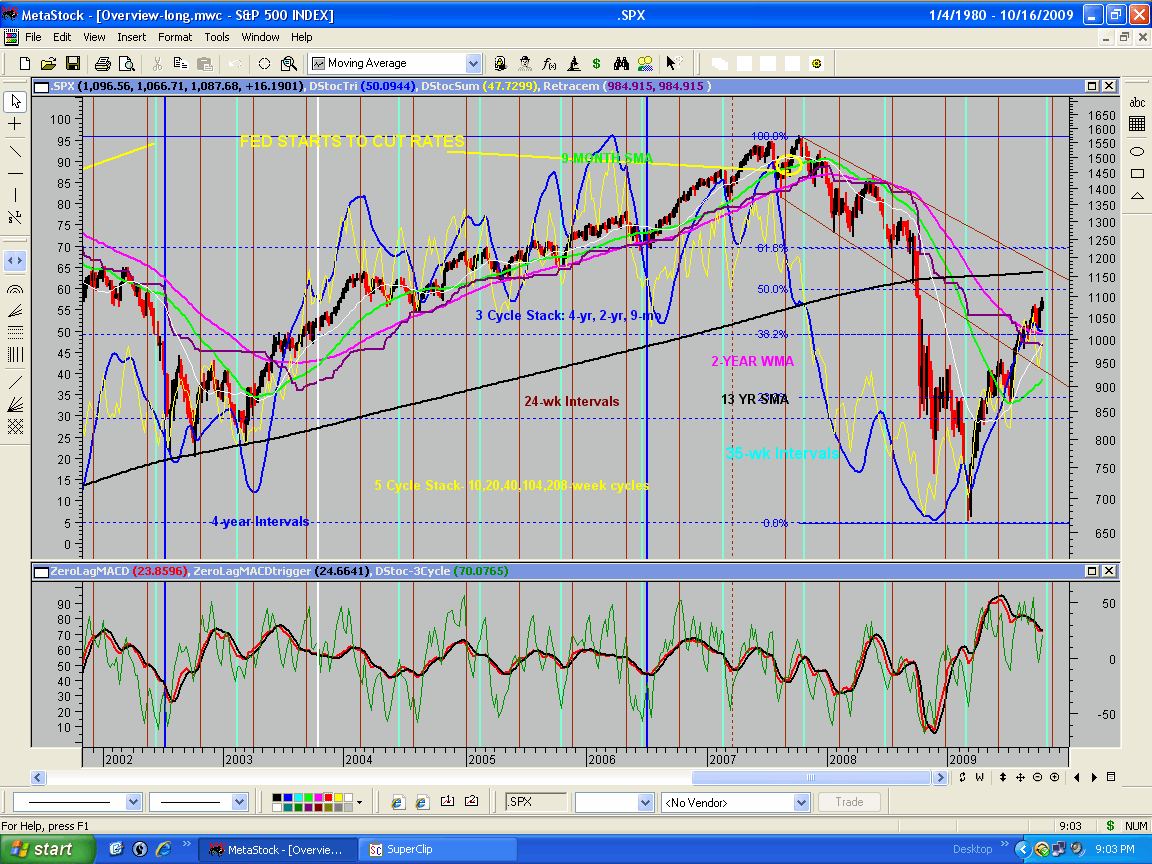
Based the market usually bottoming months before the economy does, I went on to prognosticate an earlier low for stocks: “The last 9-month cycle appears to have bottomed in early October, putting the market on pace for the next significant low in the summer of 2008. That implies a lot more downside in the first half of the year, setting the indicators up for downside extremes and instilling despair in the investors who ride it out. 64 months beyond the March 2003 low would coincide with a nominal 9-month cycle low in July.” The SPX obliged by declining 13% during the first half (with a day to go), but July no longer looks like a 9-month cycle low. I’m now compelled to take a more pessimistic view of the second half. The evidence now indicates that the 9-month cycle bottomed in March, suggesting December rather than July for the next bottom. Most 9-month cycle indicators suggest that it is already in a premature downtrend with a good deal further to go (http://www.geocities.com/petegersb/Overview-long.GIF ). And it’s hard to imagine what would bring the economy out of its funk to produce an earnings recovery any time this year. No doubt we will see some worthwhile rallies in the second half, but they likely will be bucking downtrends in the long cycles.
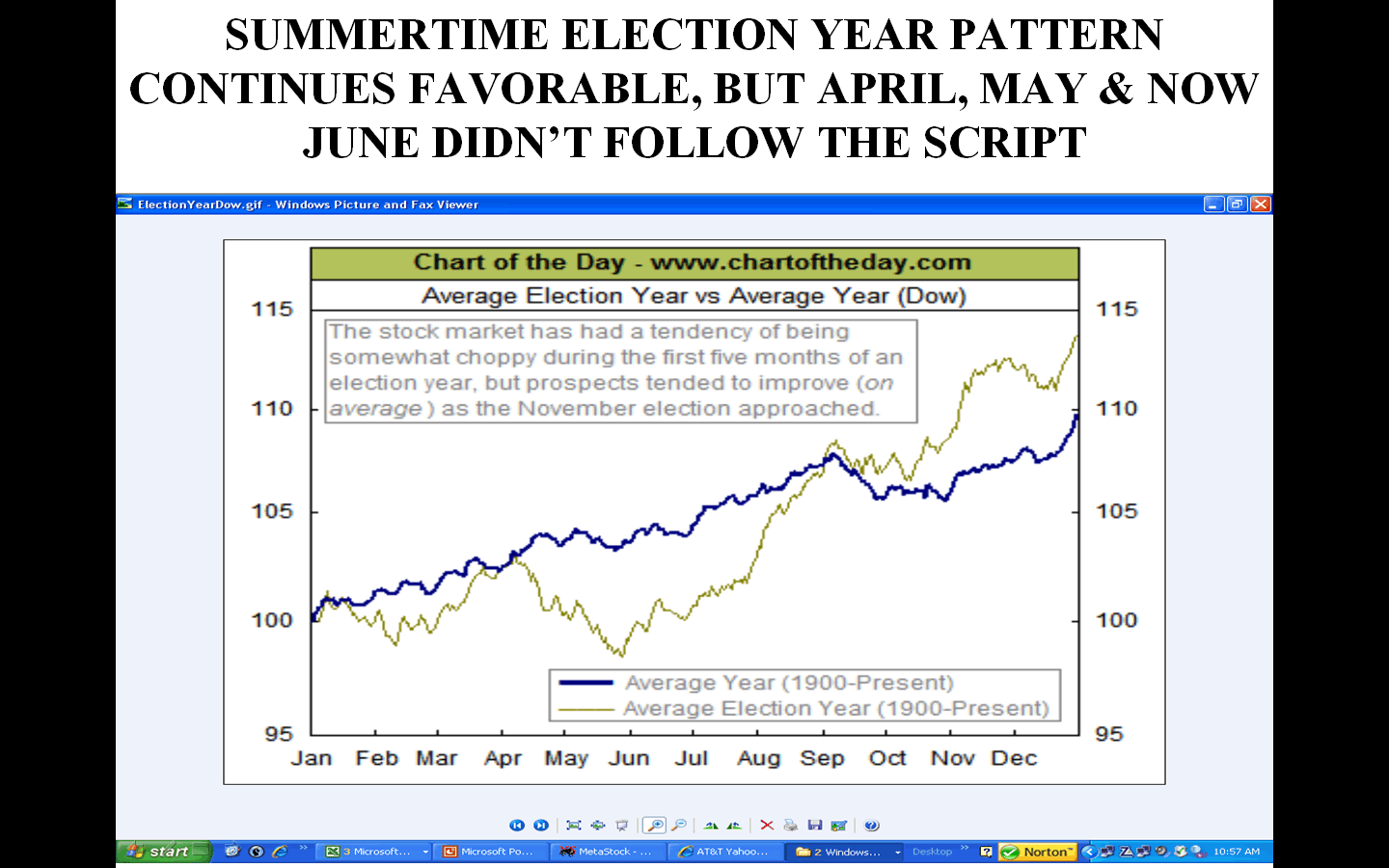
One such short-term rally appears likely very soon. If you read the WCCC briefing that I posted on Tuesday morning you know that I expected another bad week for stocks last week, but that I also expected it to lead to a time frame and oversold condition that would produce a short-term bottom in a continuing intermediate downtrend. The subsequent action reinforced the conclusion that the 9-month cycle made a long-term bearish left-translated peak in mid-May (http://www.geocities.com/petegersb/Overview-med.GIF). With the 9-month cycle just a little over 3 month old, that suggests a punk stock market well into autumn – contrary to the normal election-year action (http://www.geocities.com/petegersb/ElectionYearPattern.GIF). The market didn’t follow the normal pattern in the first half, so it shouldn’t be much of a surprise if the second half doesn’t conform either.
But summer time is here, and that season almost always produces the well publicized summer rally. Of course the typical year has about five 10-week cycle rallies, so we can expect at least one in each season. The one that arrives in summer probably gets the publicity because it arrives in a season that normally isn’t very favorable for stocks. This year isn’t likely to be an exception. The S&P is at the 38% Fibonacci retracement of the rally off of the 2002 low – a level that usually provides at least temporary support, and did so in January. It appears likely to again provide temporary support because the 10-week and shorter cycles are oversold (http://www.geocities.com/petegersb/SP500.GIF) and the 13-day cycle is now 12 days old. That leaves some room for another ugly day or two to bring the S&P down another 20 points to its March low where it should attract a few buyers if it holds.
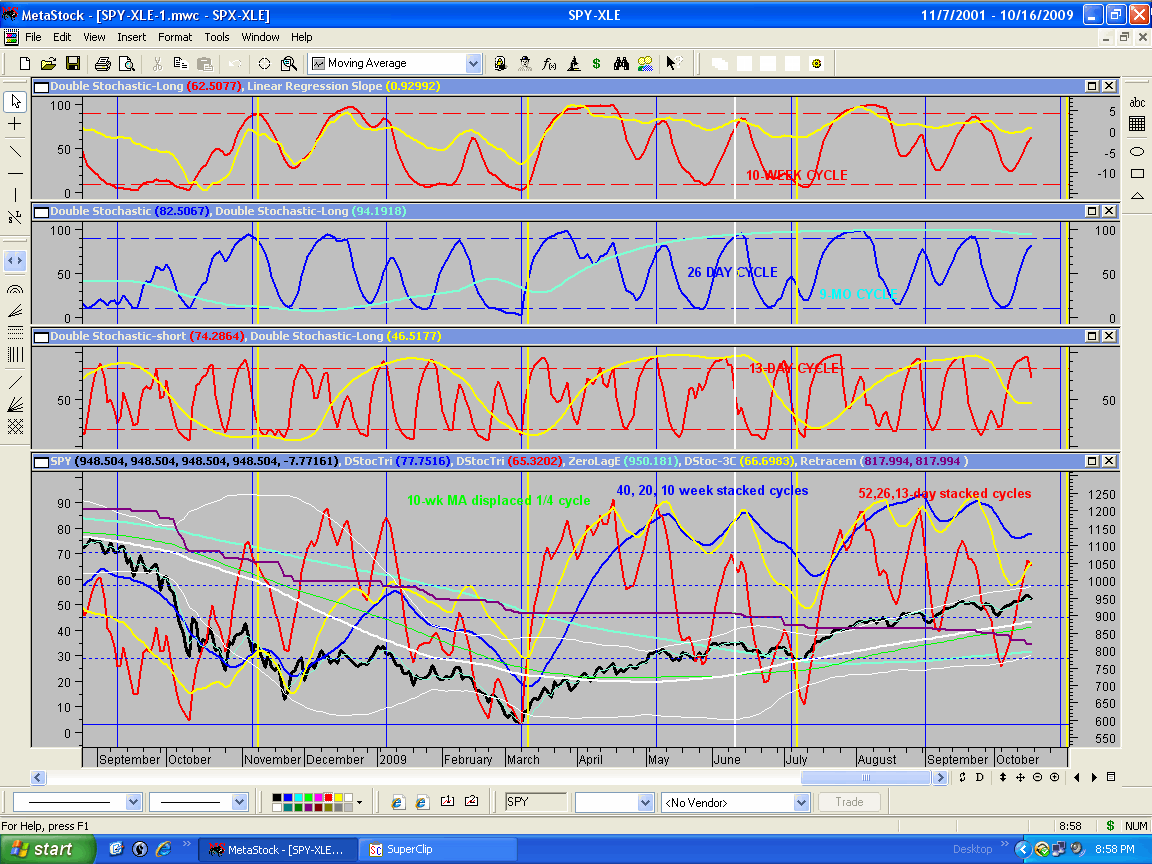
Why temporary support? 1) Because the 20-week cycle is probably only 15 weeks old and not yet near oversold. It would be 23 weeks old if it last bottomed in January, as I originally thought, but then it should be oversold and it is not. 2) Because the 9-month cycle is probably in the early stages of a downtrend. 3) Because the 4-year cycle is probably on the down-slope leading to a 2010 bottom. 4) Because the DJIA and SPX ex-energy (http://www.geocities.com/petegersb/SPY-XLE.GIF ) have already broken below their January and March lows. 5) Because earnings going forward are likely to disappoint as consumers no longer receive rebate checks to cushion their inflating expenditures at the gas pump and grocery stores, and more huge write-offs motivate the banks to continue restrictive lending and dilute their earnings as they raise new capital.
How much of a bounce can we expect before the market turns ugly again? It’s always hazardous to guess the extent of a move, but probably not above the 10-week moving average in the vicinity of 1370 on the SPX - more likely below the neckline of a head and shoulders top that provided support in April and June near 1330 and now coincides with a 38% Fibonacci retracement of the 6-week decline. A two or three week rally would get the market into the season when a slew of disappointing earnings would likely depress the market.
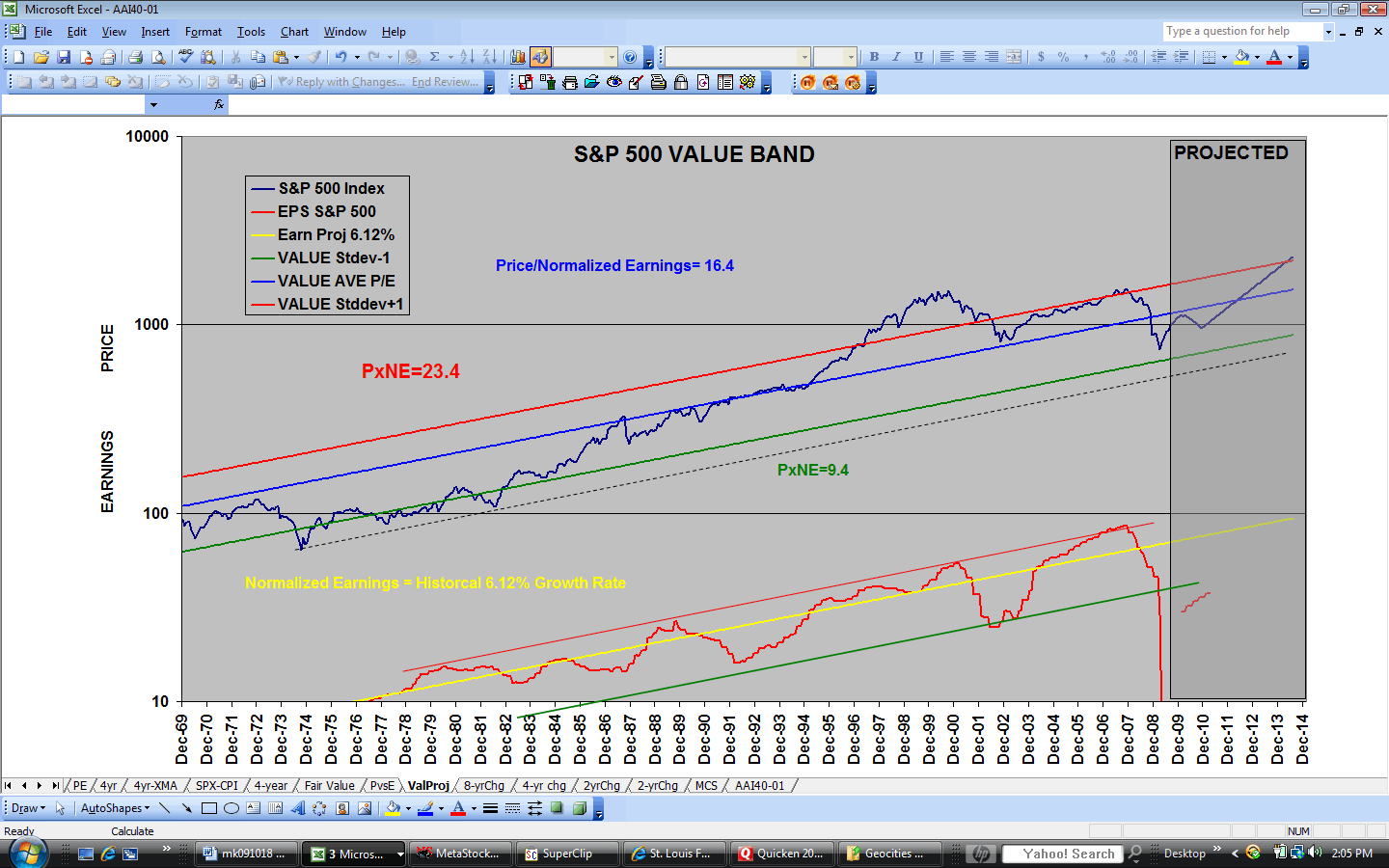
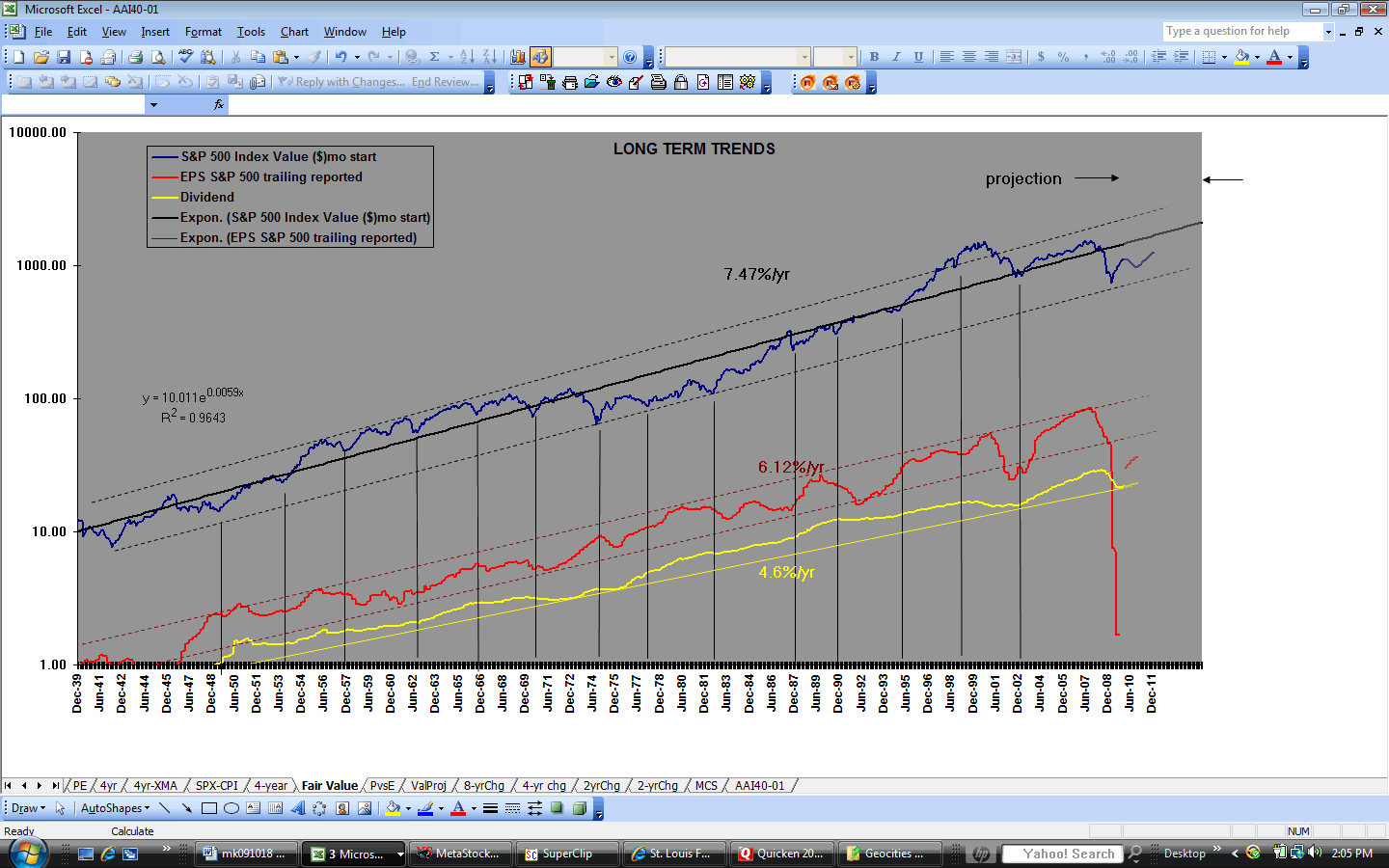
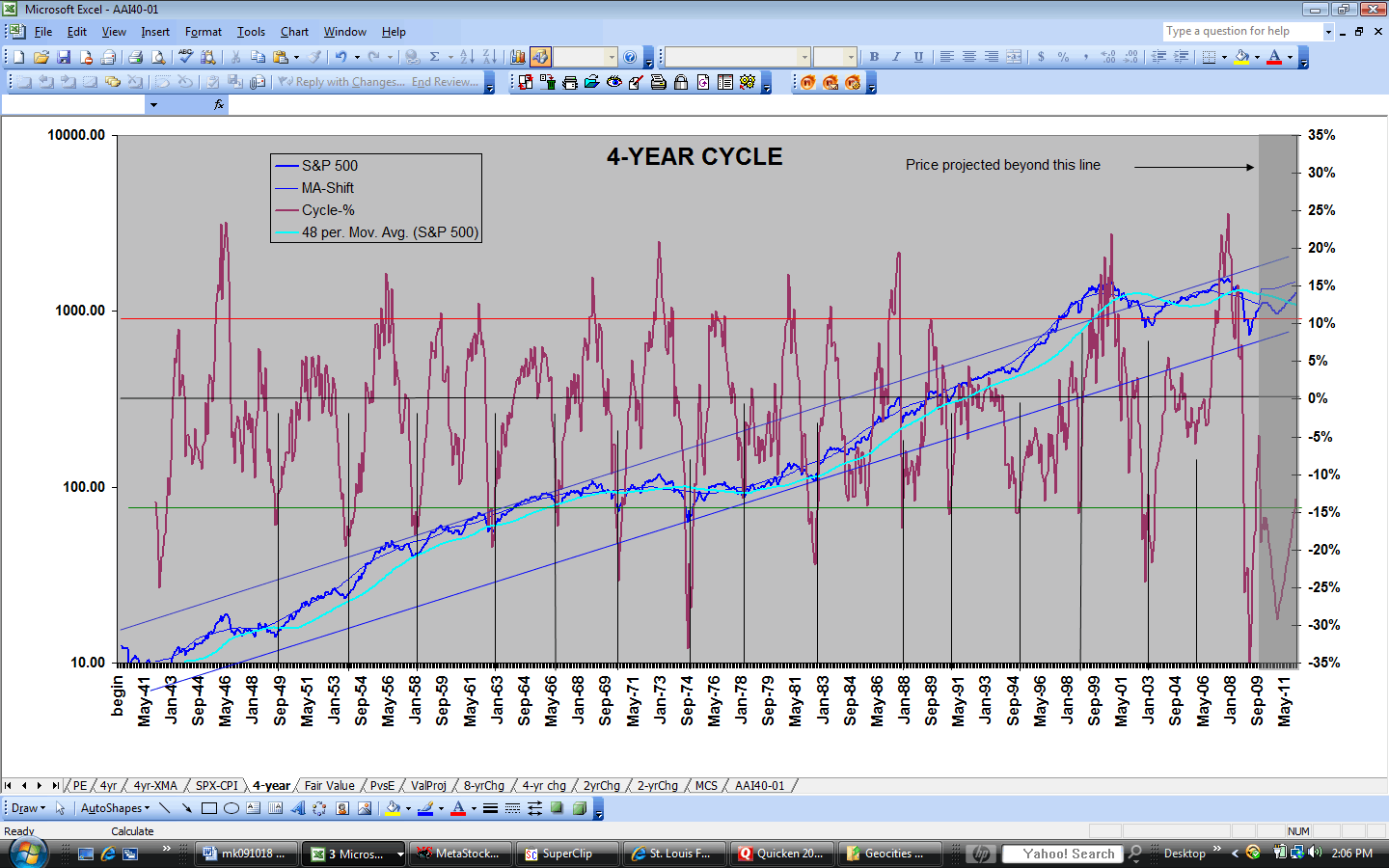
I’ve revised my market projections for the next few years to reflect my conclusion that the 4-year cycle is already on a down slope, but my revision may still be too optimistic in light of the serious economic problems facing our nation. It assumes, probably too optimistically, that corporate earnings will resume their historical growth rate of 6.12% annually (http://www.geocities.com/petegersb/ValueBand.GIF ) and that stocks will dip to the bottom of their historical growth band (http://www.geocities.com/petegersb/SP60yr.GIF ) by the bottom of the 4-year cycle in 2010 (http://www.geocities.com/petegersb/4YearCycle.GIF ) to produce a very normal P/E of 15. That isn’t a very draconian forecast. It implies only an additional 15% decline to about 1100 over the next couple of years, but it does suggest that you will have to time the shorter cycles correctly to make any money. Buy and hold won’t make any money unless you can select stocks much better than the typical money manager.
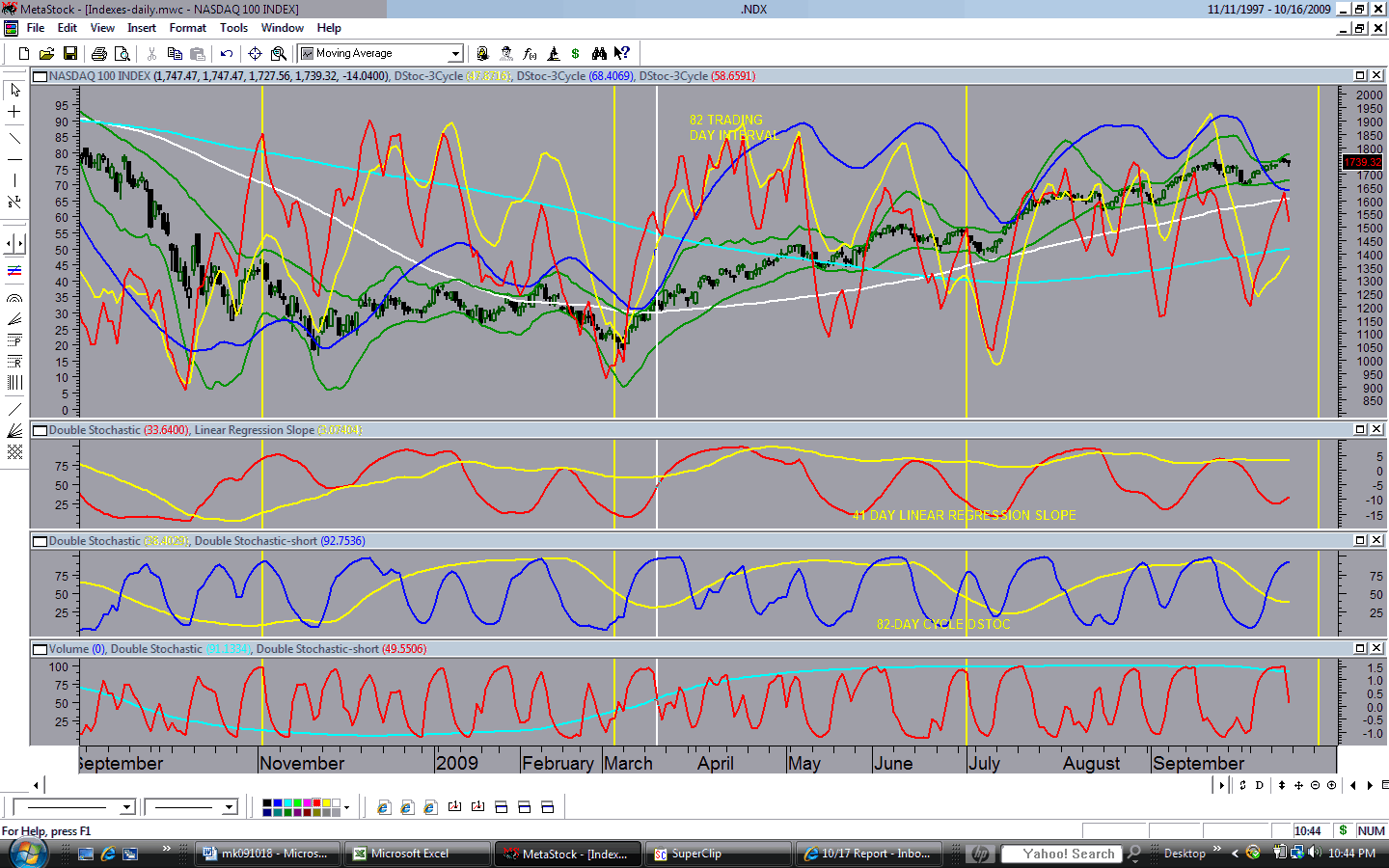
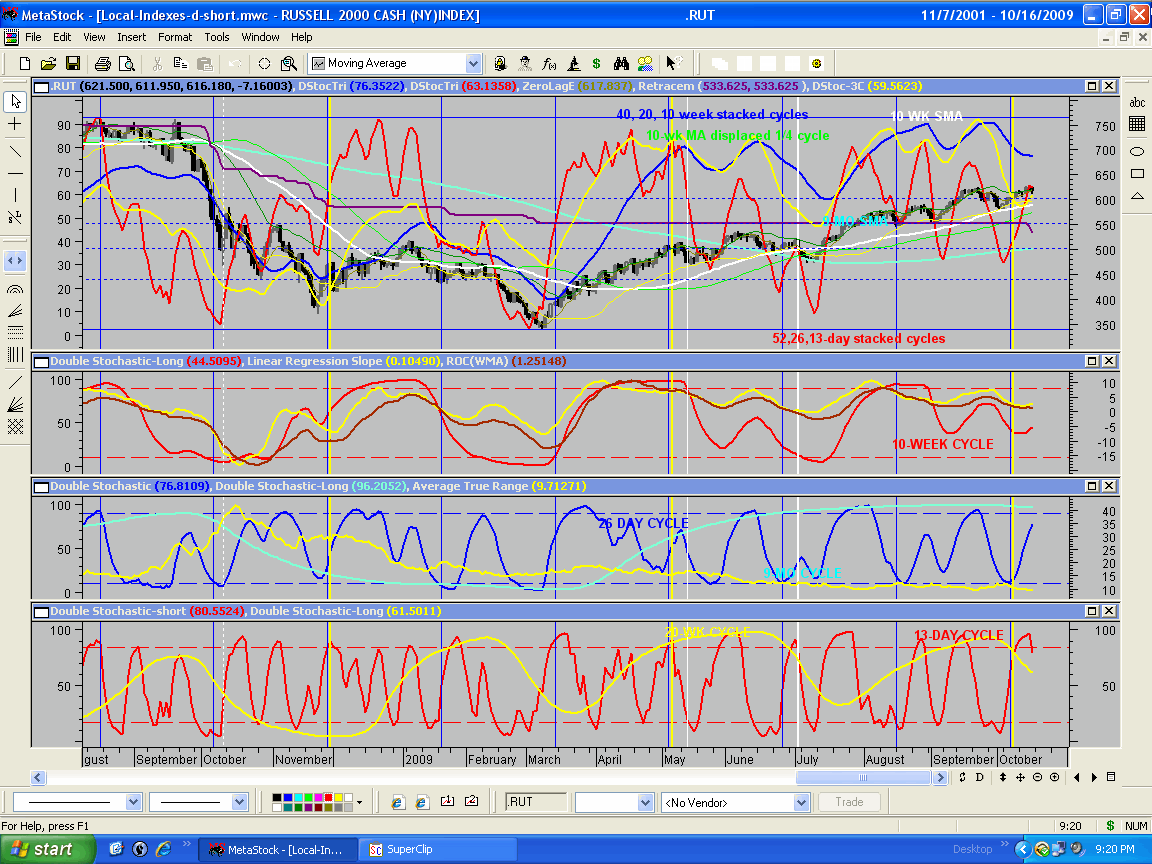
The above discussion has focused on the SPX which encompasses most of the market’s capitalization, but the NDX (http://www.geocities.com/petegersb/NDX.GIF) and Russell 2000 (http://www.geocities.com/petegersb/Russell2000.GIF) don’t look much better. They too are in intermediate downtrends that are likely to continue, but 10-week and shorter cycles are oversold. They have given back only 62% of their March-June rally – a Fibonacci retracement that should provide some short-term support just as the 38% retracement did in earlier this month.
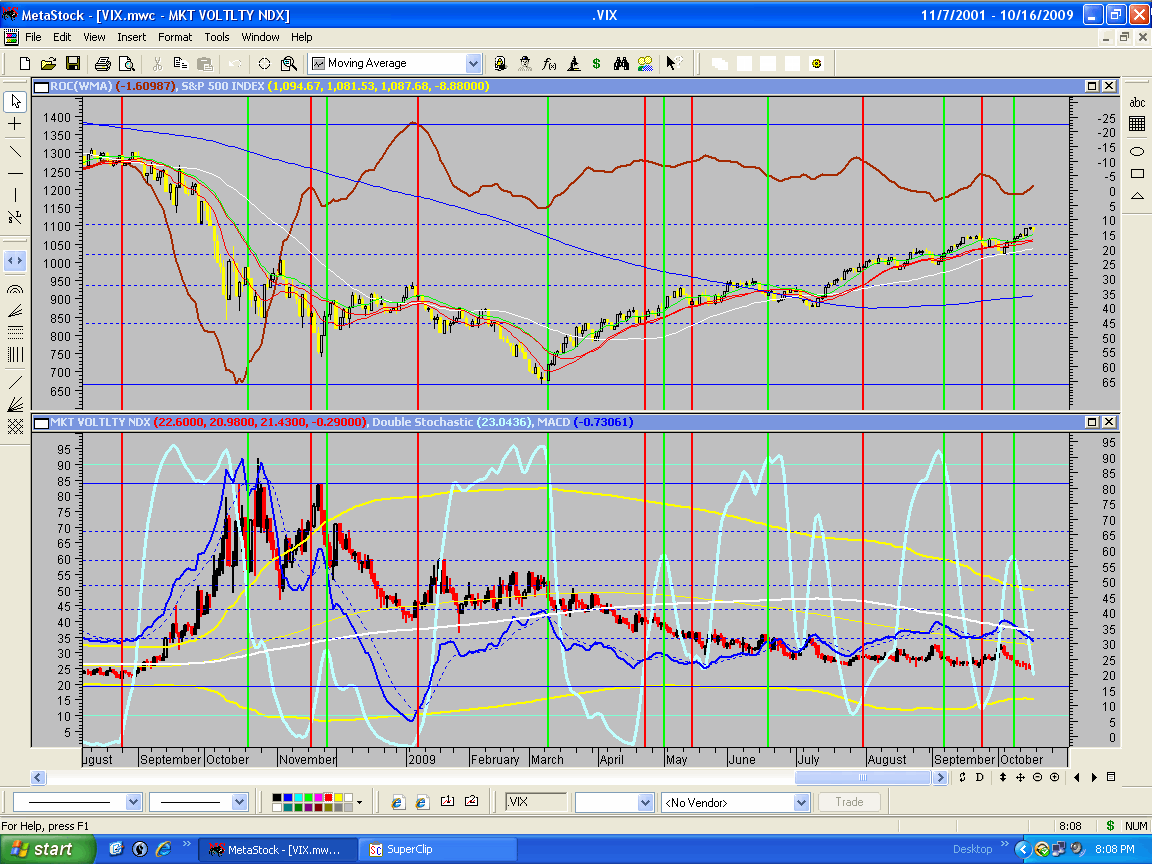
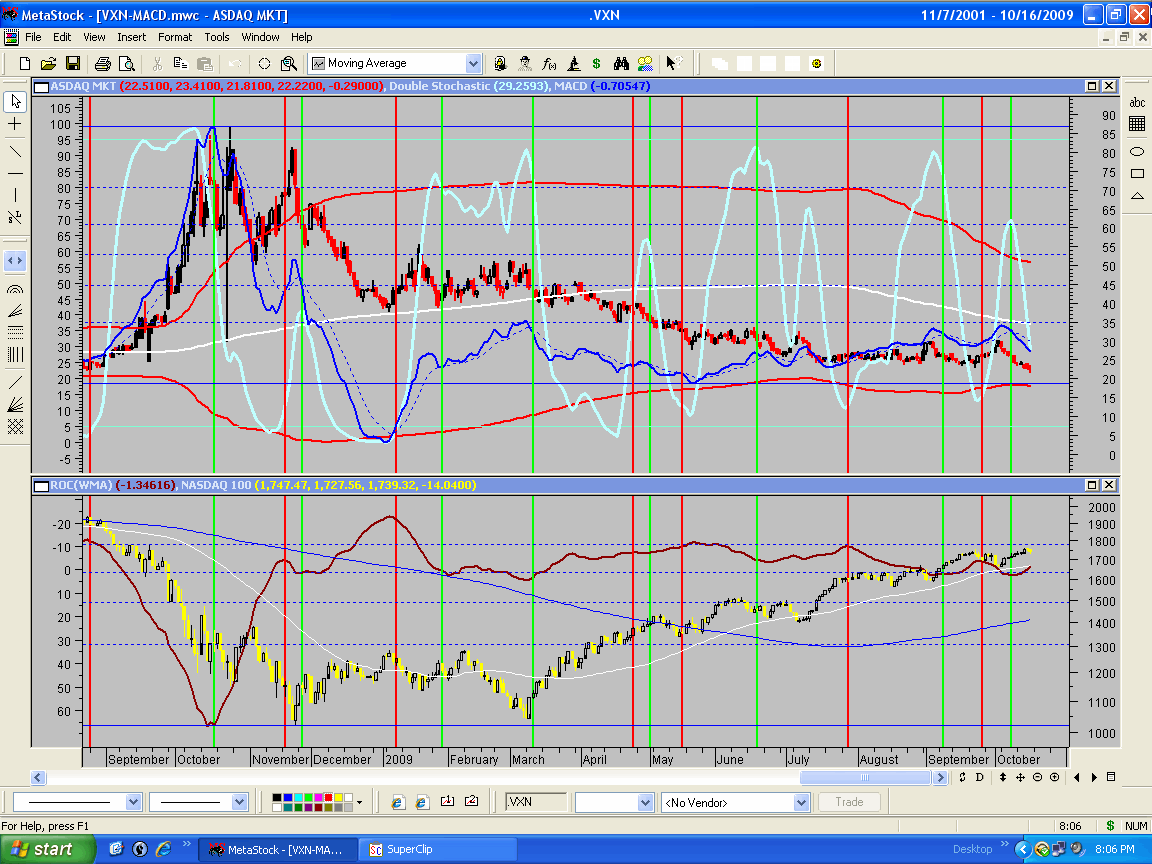
The DStocs on the daily VIX and VXN (http://www.geocities.com/petegersb/VIX.GIF, http://www.geocities.com/petegersb/VXN.GIF) also suggest that the 10-week cycle is very close to a bottom, but the weekly VIX and VXN (http://www.geocities.com/petegersb/VIX-weekly.GIF, http://www.geocities.com/petegersb/VXN-weekly.GIF) suggest that the 20-week cycle is not yet near a bottom.
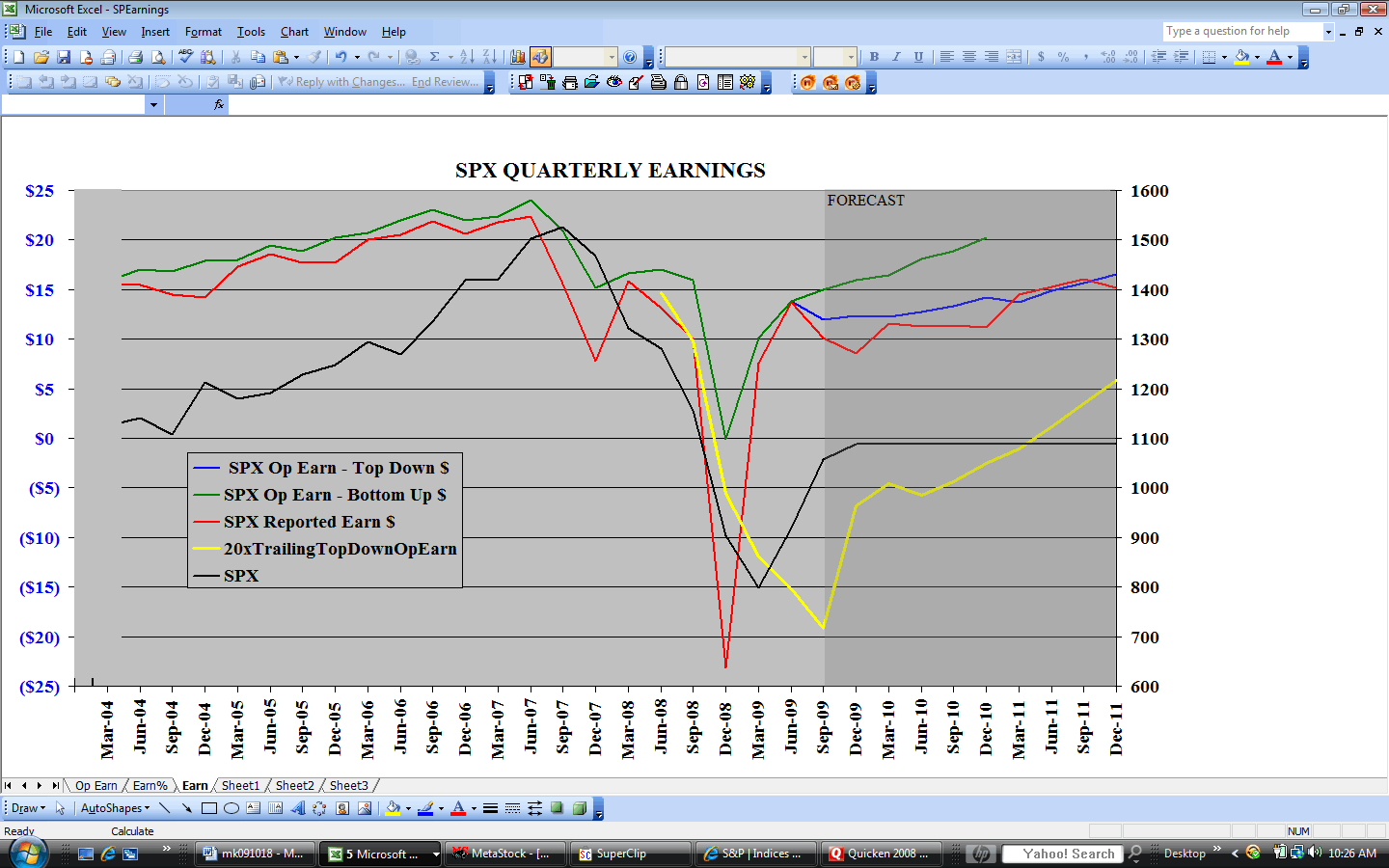
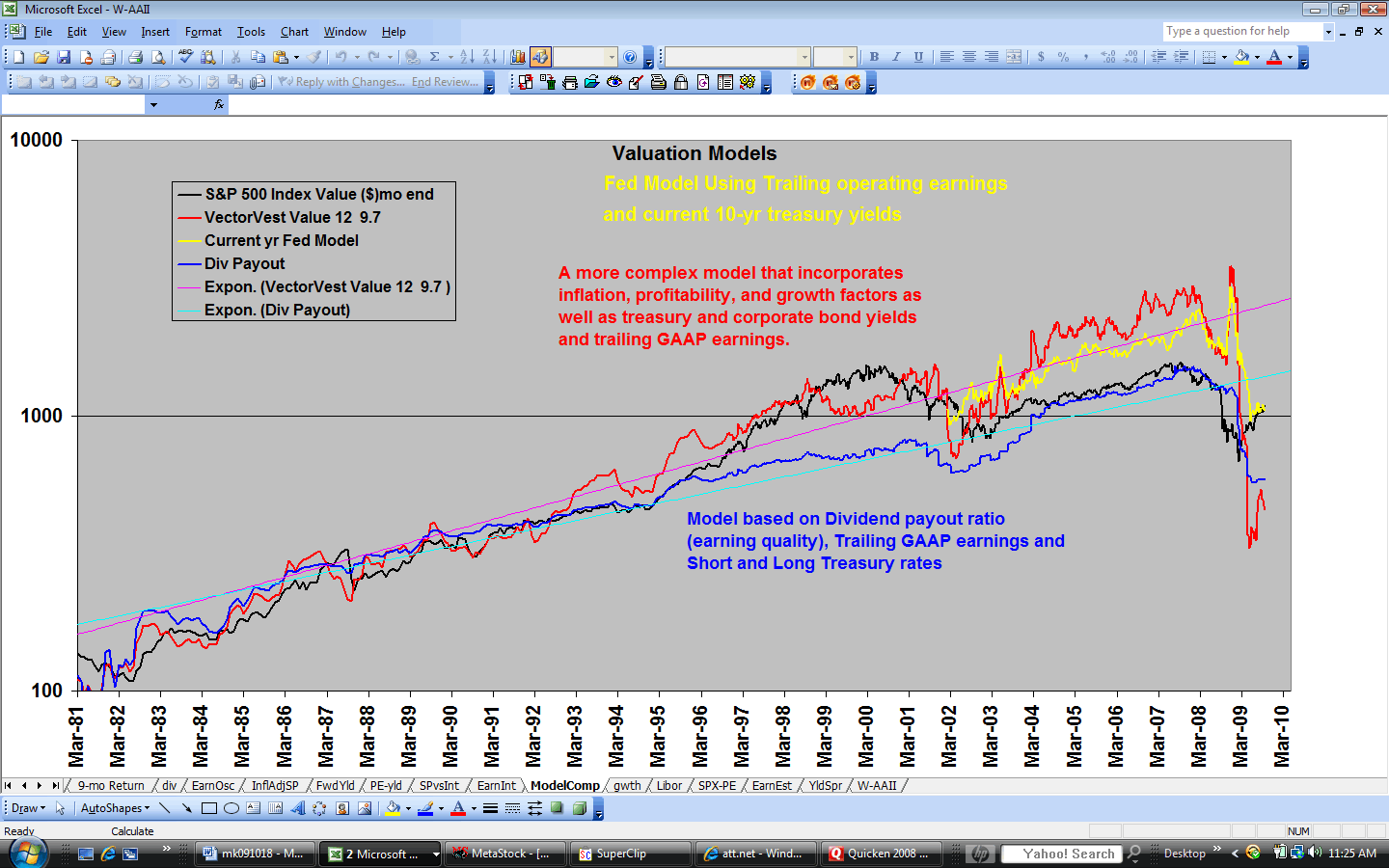
Since my last report, Standard & Poor’s adjusted its bottom-up operating earnings estimates for 2008 downward by another $1.24. The 2009 estimate, where visibility is less clear, dropped only a few pennies. The gap between these bottom-up estimates and the lower top-down estimates has narrowed to 61 cents for the current quarter but it rises to $9.23 by the last quarter of 2009 (http://www.geocities.com/petegersb/EarnY-Y.GIF). For the full year 2008, the gap has narrowed to $8.34, and for the full year 2009 it has “narrowed” to $28.47. The narrowing is a result of bottom-up estimates dropping, not the flat top down estimates rising. Expect more of the same as S&P’s foggy crystal ball clears. The valuation models (http://www.geocities.com/petegersb/ValuationModels.GIF ) that use those earnings projections should be viewed with great skepticism. The trend in those models appears to have some value, however, and the current trend clearly remains very negative.
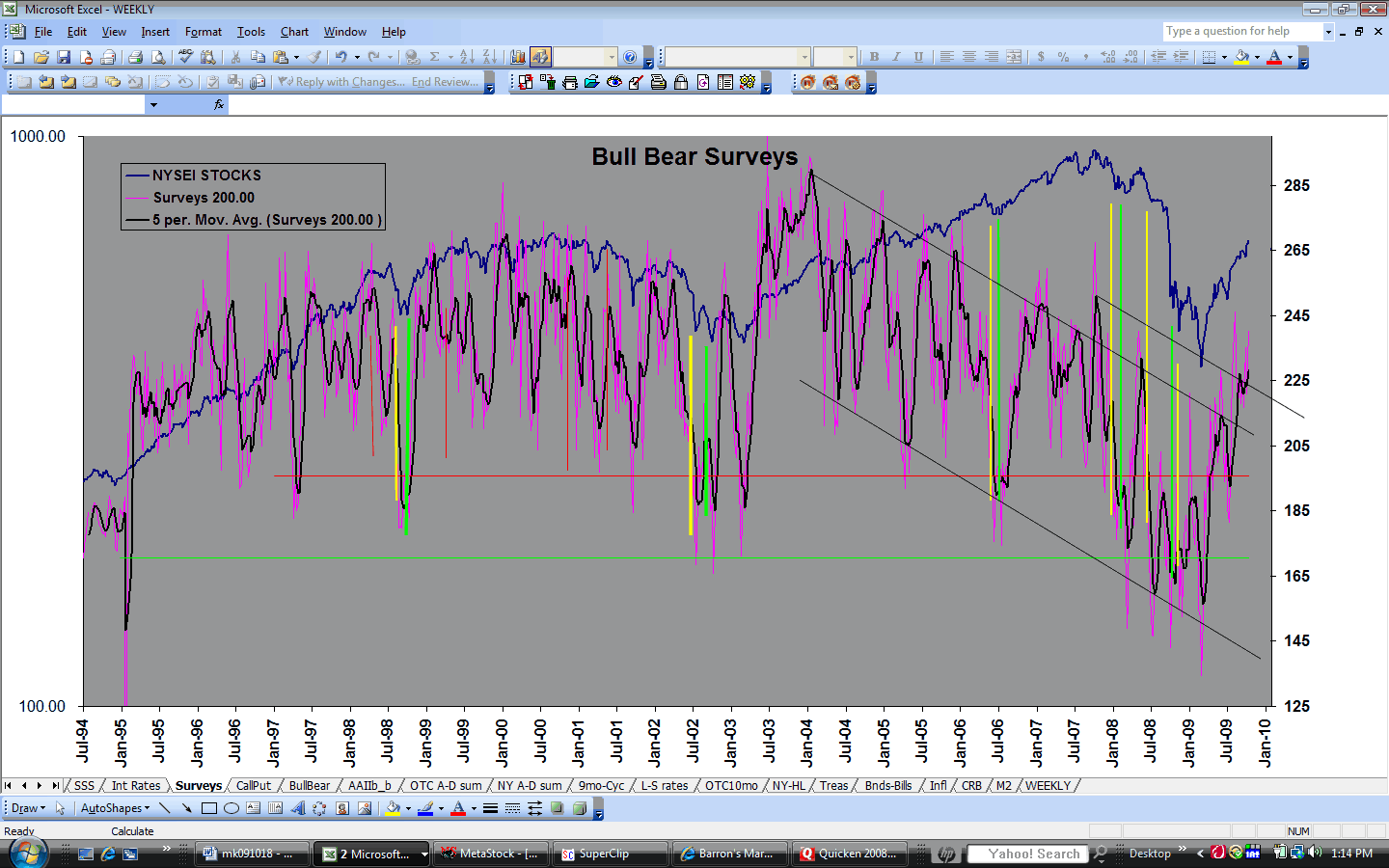
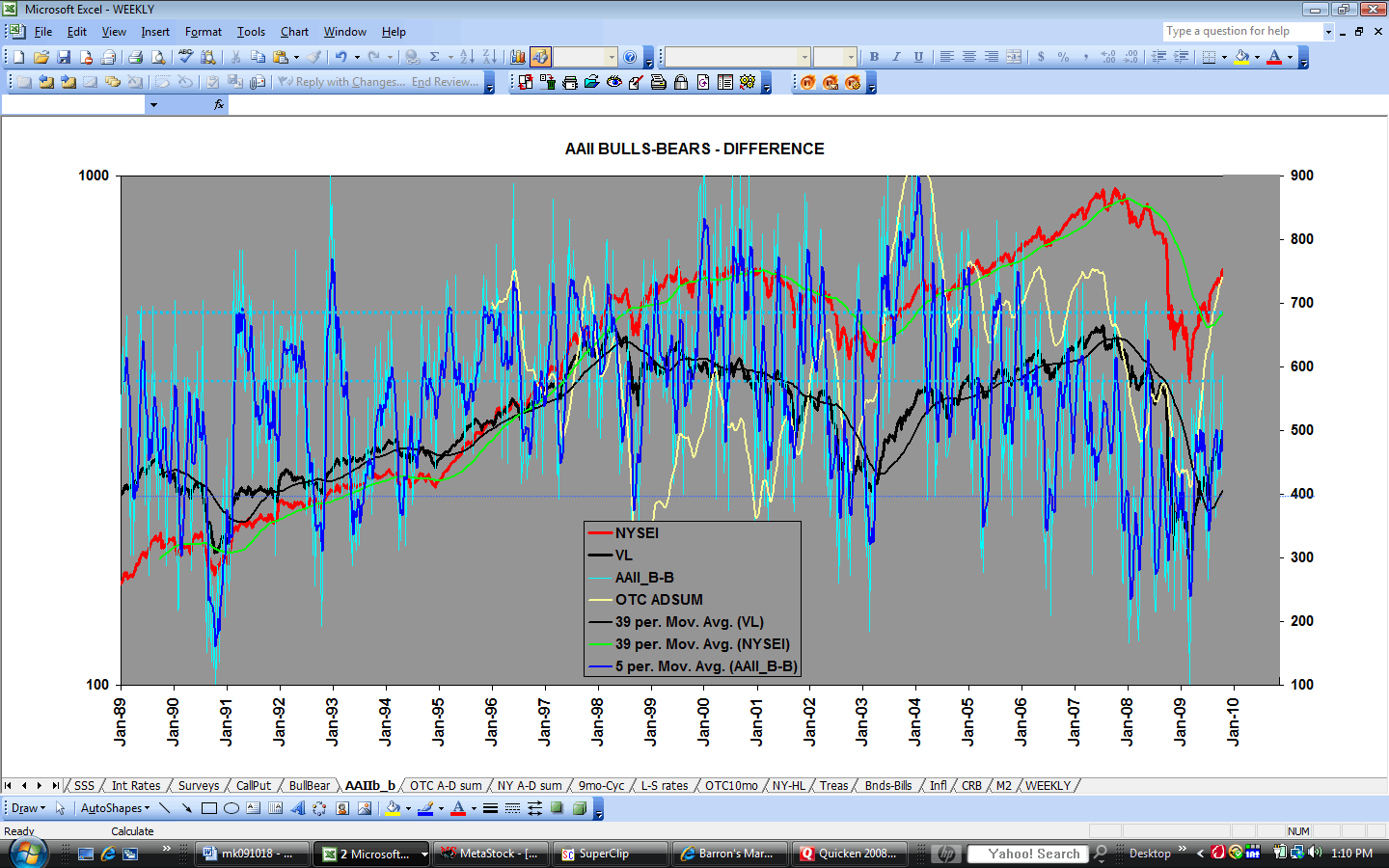
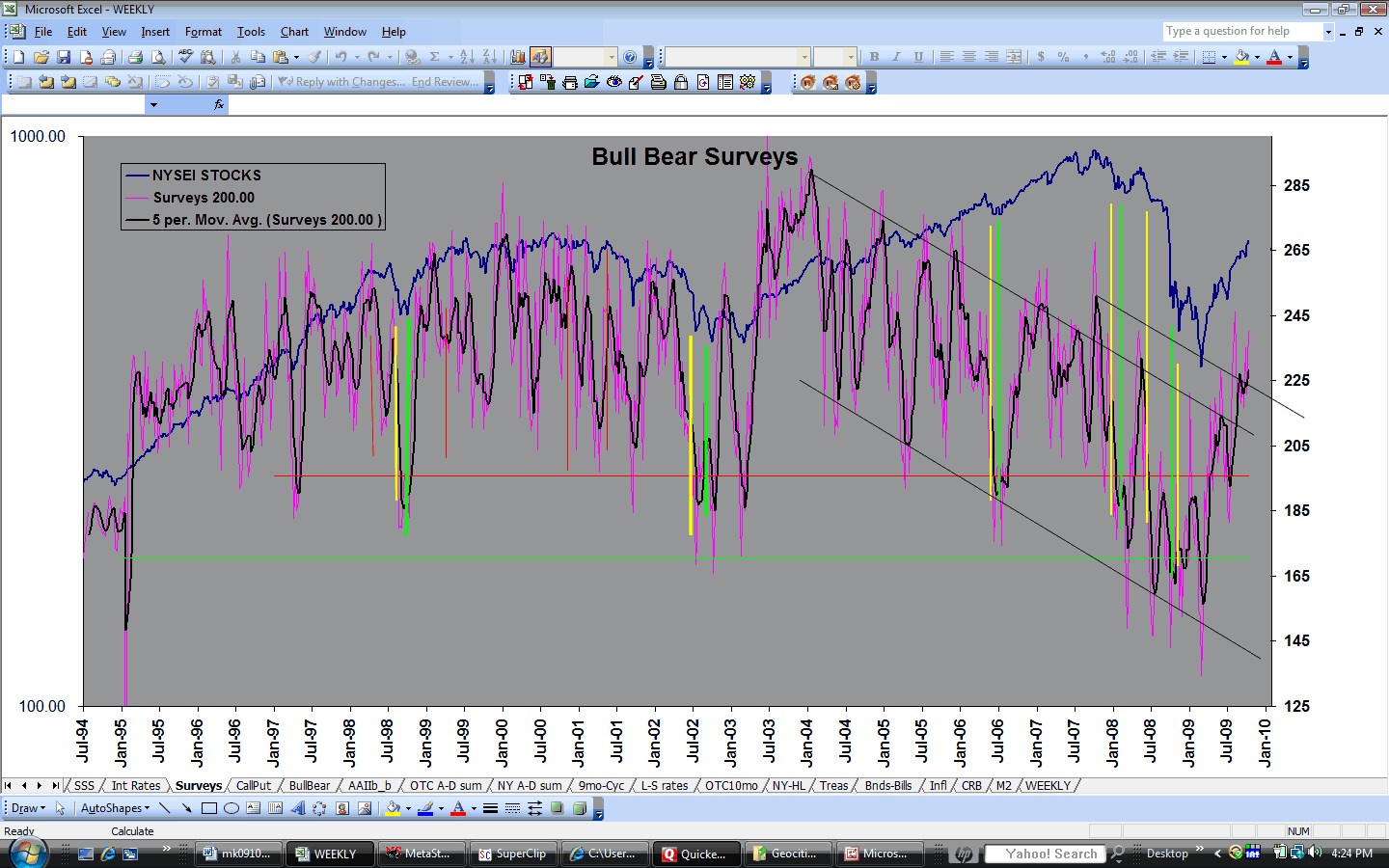
Advisory services (http://www.geocities.com/petegersb/InvestorsIntelligence.GIF) and AAII members (http://www.geocities.com/petegersb/AAIIsentiment.GIF) are pessimistic and becoming more so. As long as that trend continues we can expect stocks to continue to decline. Watch the combined survey data (http://www.geocities.com/petegersb/SurveysCombined.GIF ) for an indication of a bottom.
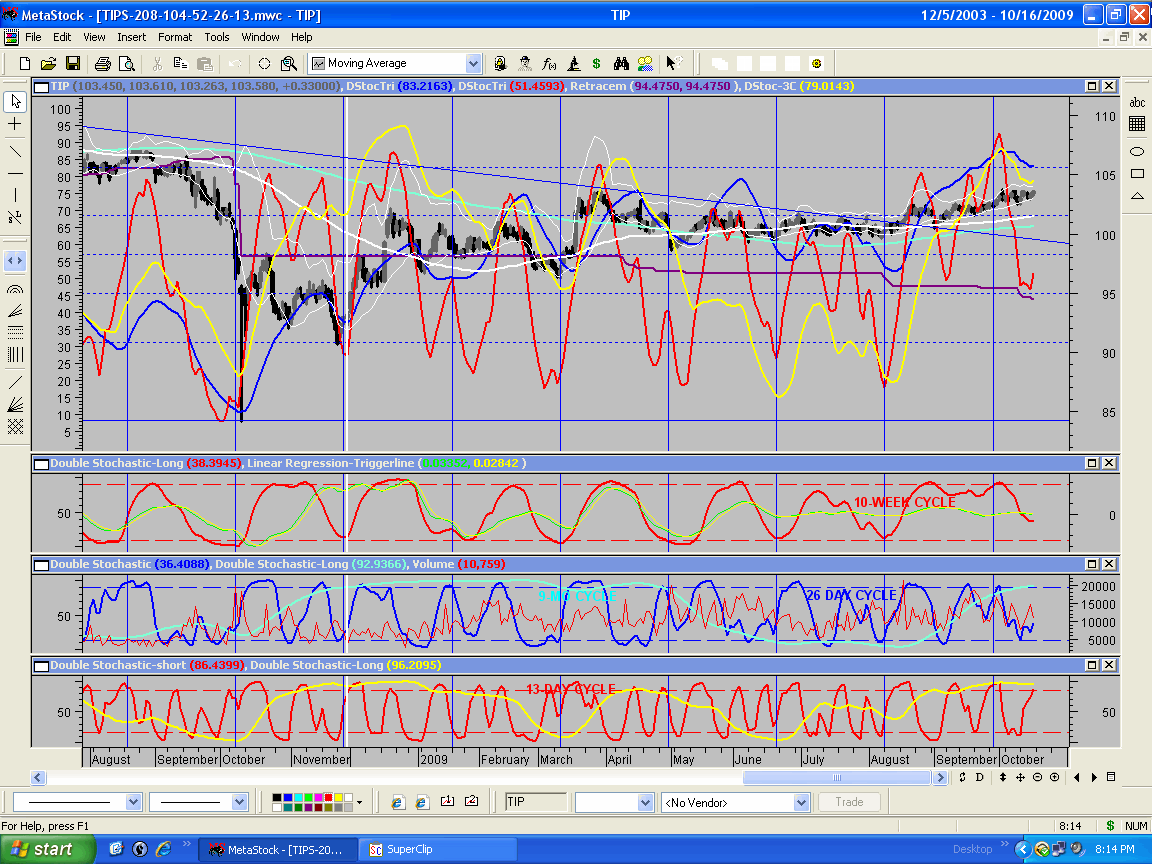
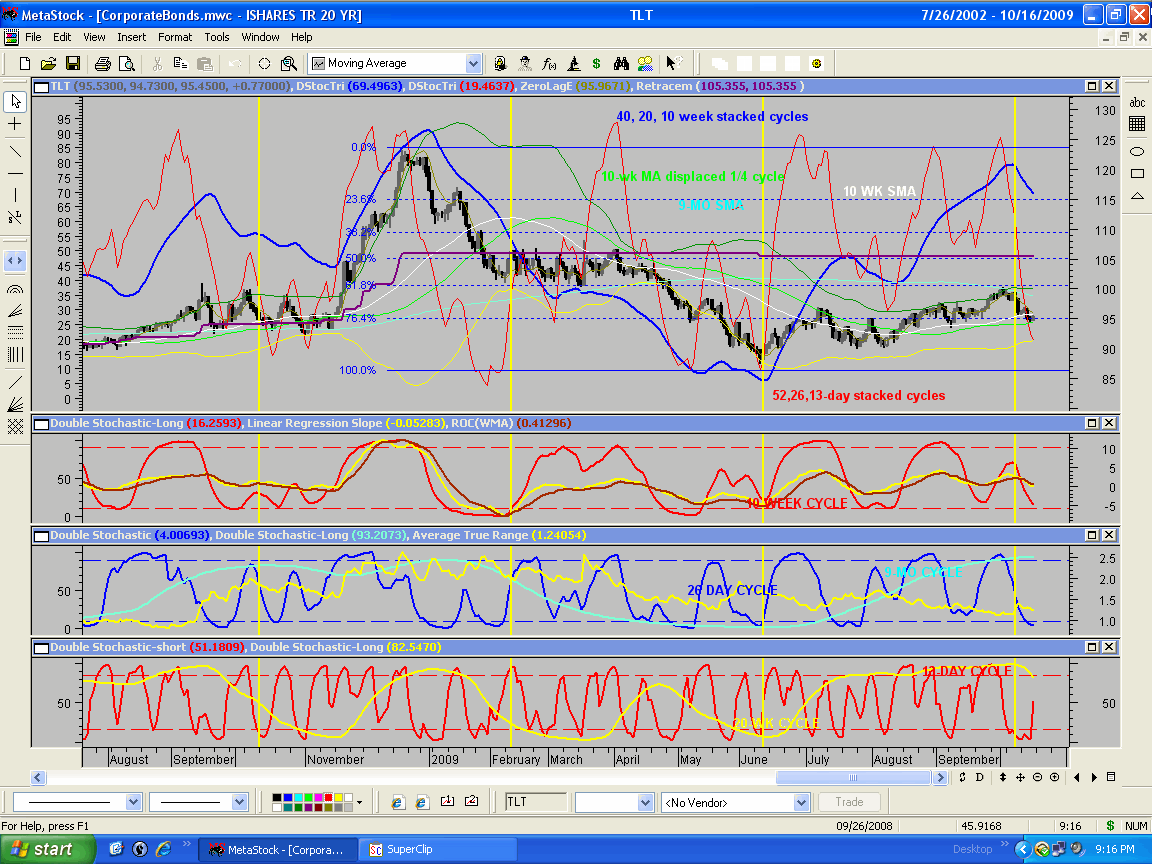
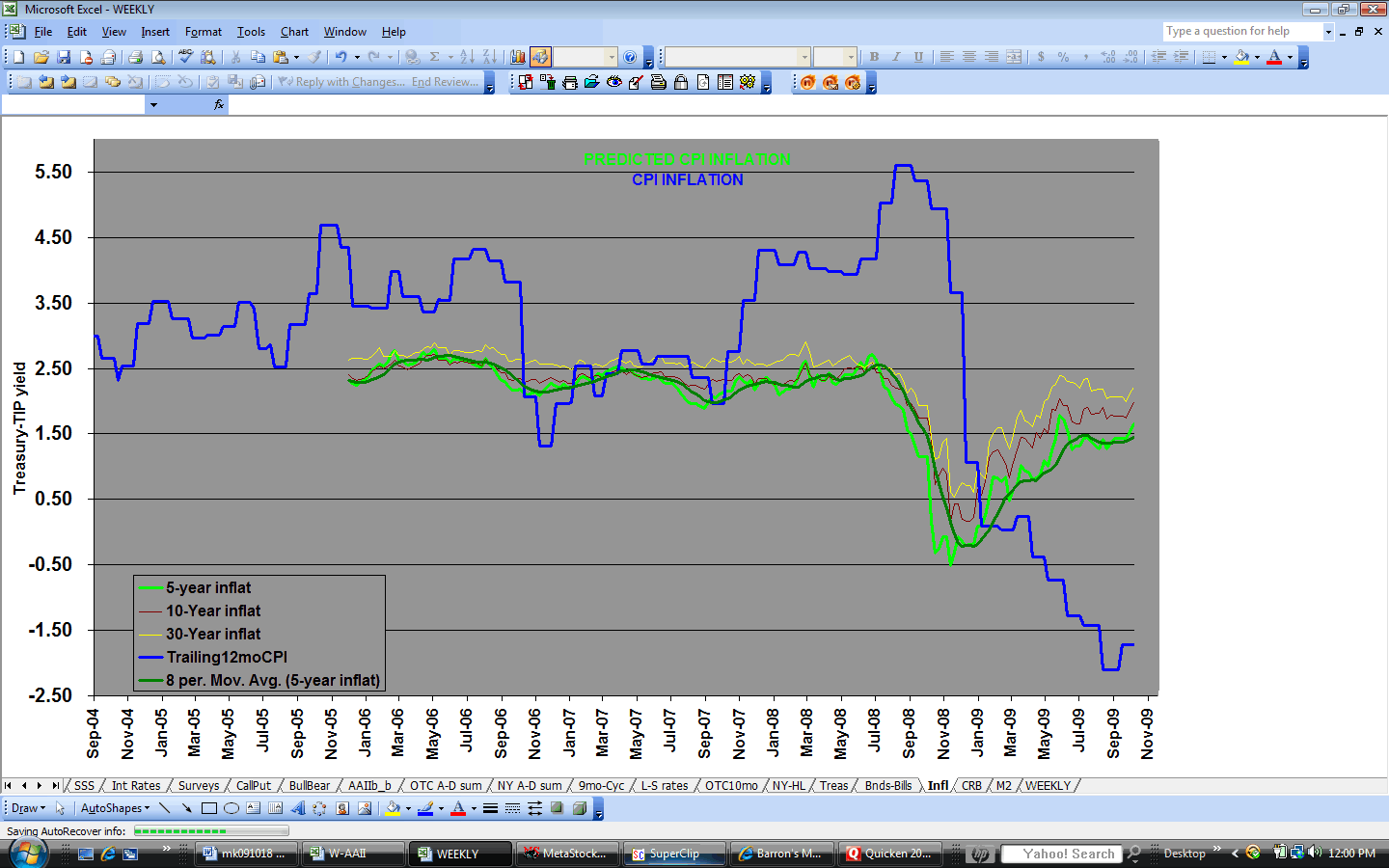
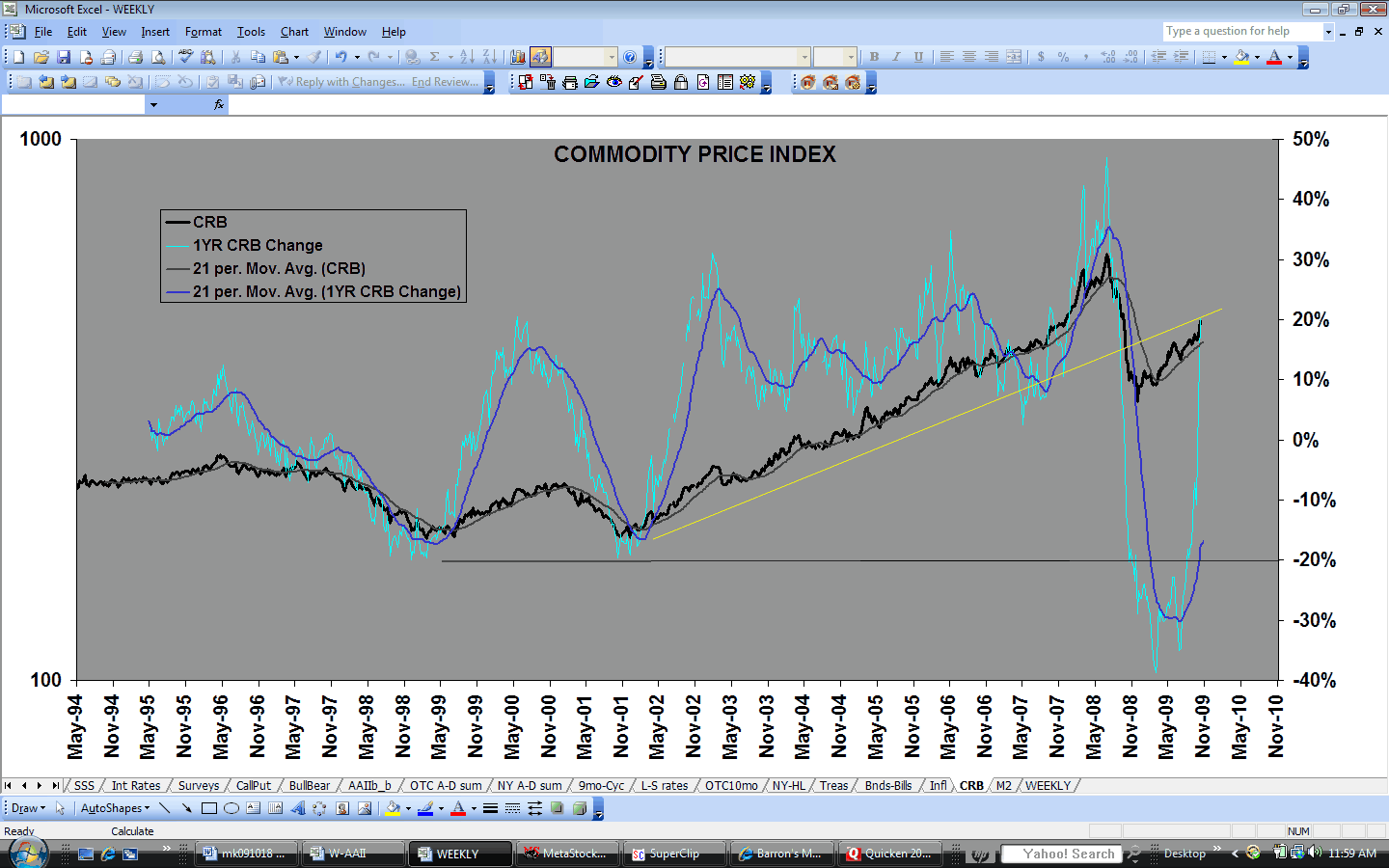
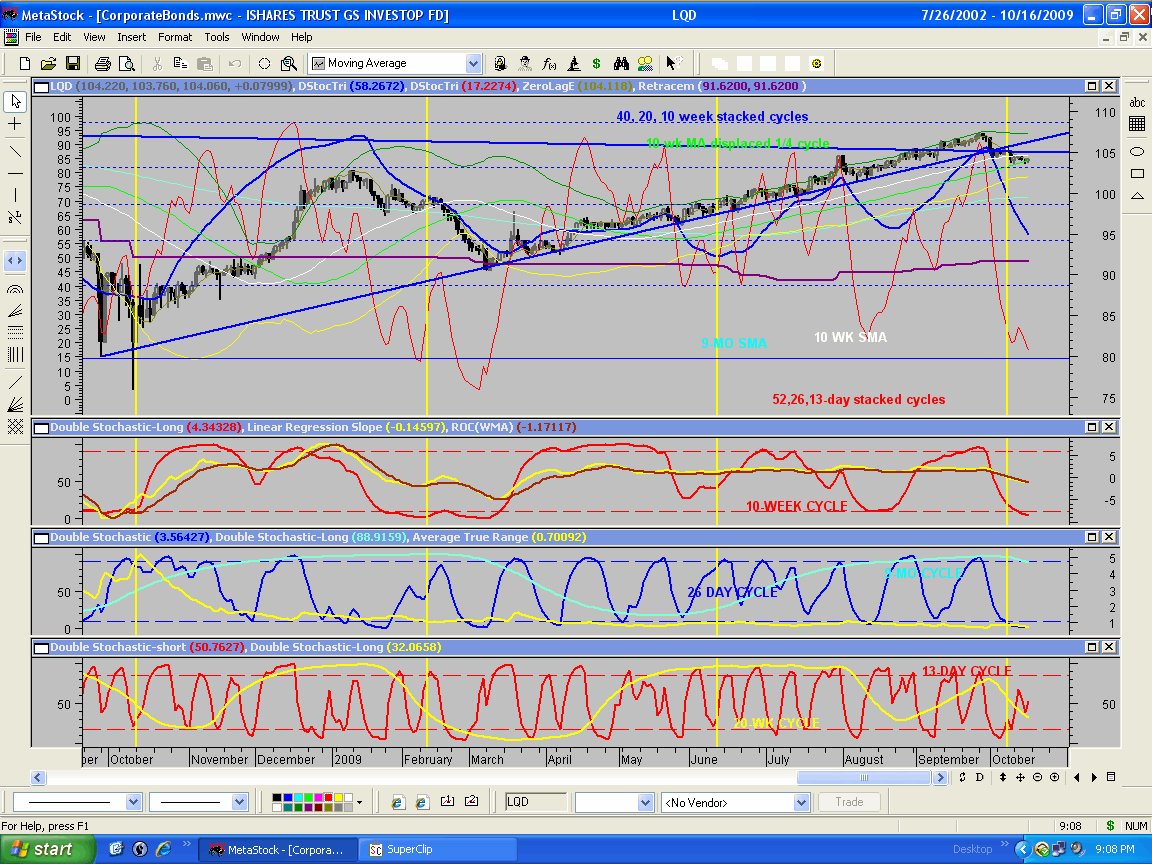
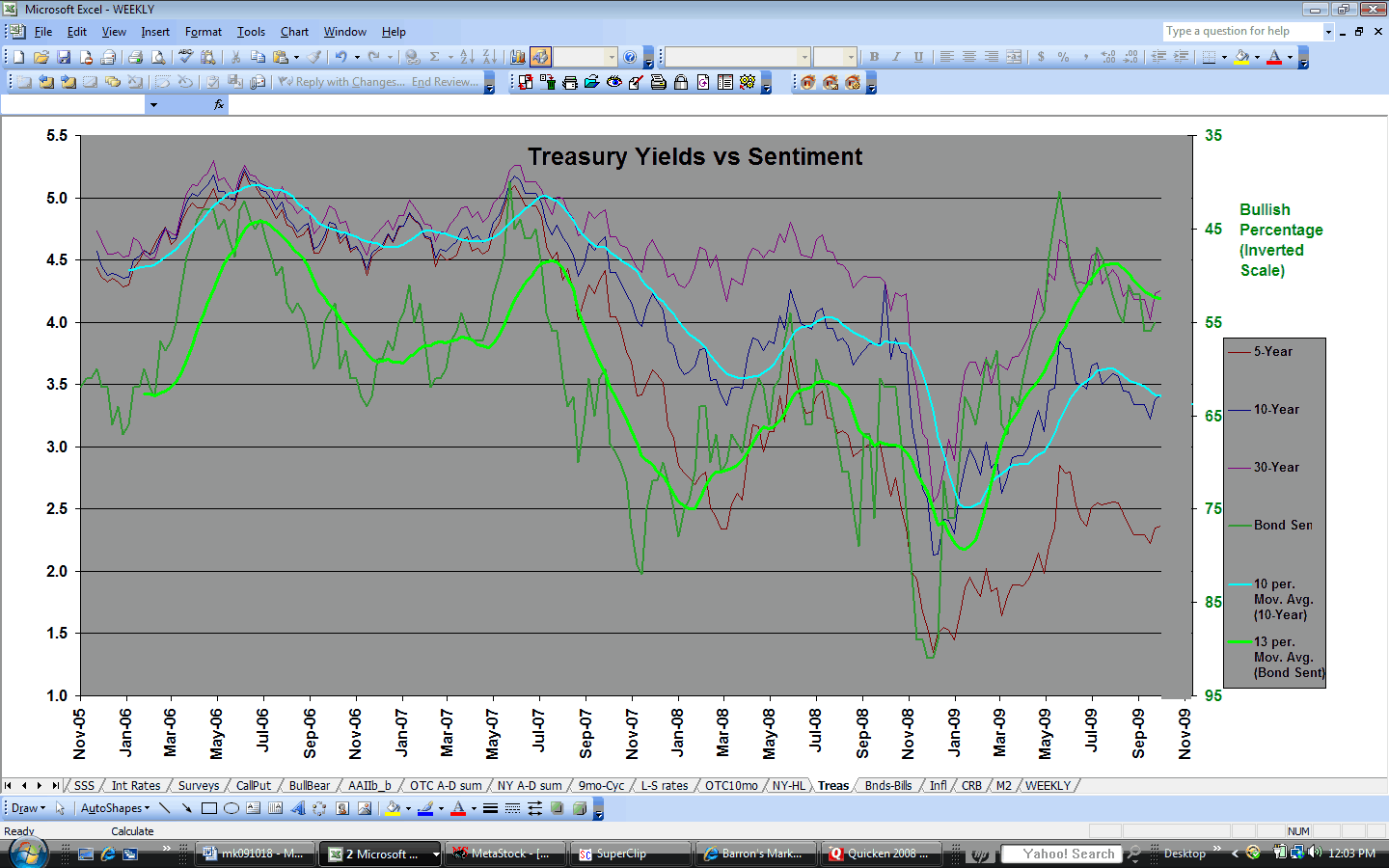
Government Bonds, helped by a flight to safety, have begun an intermediate-term rally. Both TIPS (http://www.geocities.com/petegersb/TIPs.GIF) and conventional T-bonds (http://www.geocities.com/petegersb/Treasury-20yr.GIF) are in brisk 2-week-old rallies off of apparent 20-week and probably 9-month cycle lows. The shortest cycles are overbought, so we can expect a little retrenchment soon – probably as stocks enter a short-term rally. But Treasuries look relatively safe for a few months, although their yields don’t cover even CPI inflation (http://www.geocities.com/petegersb/CPI.GIF ), and certainly not 40%+ CRB inflation (http://www.geocities.com/petegersb/CRB.GIF ). Corporate bonds (http://www.geocities.com/petegersb/CorporateBonds.GIF) are another story. They broke below the trading range to a 6-year low. Over the last two weeks they could do no better than stabilize near that level while treasuries were rising briskly. There is no indication of an intermediate bottom yet. Corporates yield considerably more than Treasuries and the balance sheets of most corporations look far better than that of the US government, but investors are comforted by the taxing power of government. Bond sentiment (http://www.geocities.com/petegersb/BondSentiment.GIF) shifted in a favorable direction last week, but it hasn’t yet crossed the moving average to render a buy signal.
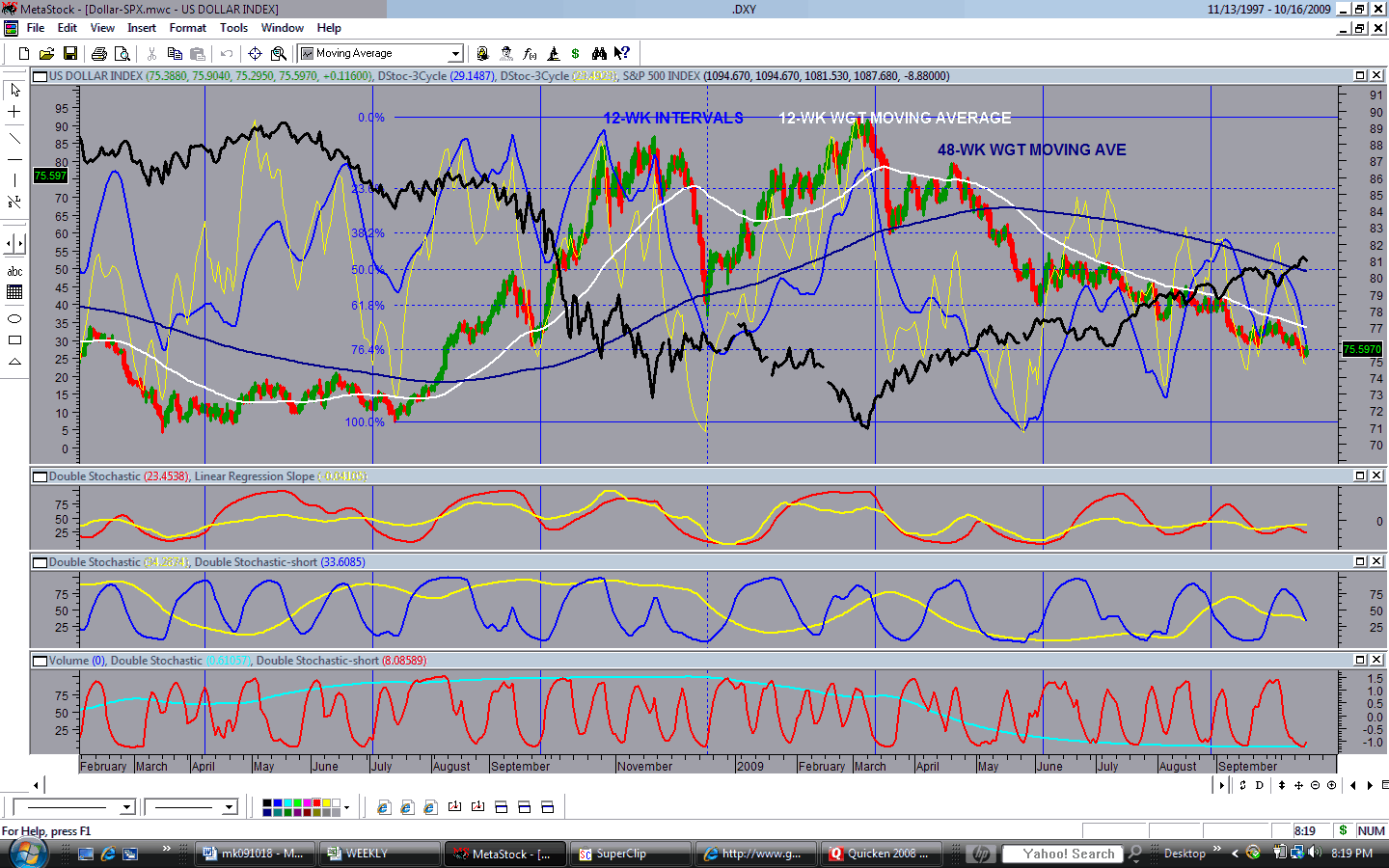
For the last 2 weeks the dollar (http://www.geocities.com/petegersb/Dollar.GIF) has been dropping along with stocks – enough so to turn the intermediate composite downward again. The last such turn wasn’t sustained, but this time the 20-week cycle is 15 weeks old, and the turn began at an intermediate overbought level. Consequently, it’s likely to be sustained for the next few weeks. One bright spot for the dollar emerged during its 2nd quarter rally. The peak in the 20-week cycle probably was right-translated. That bodes well for the longer trend. Perhaps anticipation of rising interest rates in the US is starting to have a favorable impact on the dollar. Perhaps it’s anticipation of an end to the Bush administration follies and a return to saner foreign and domestic policies.
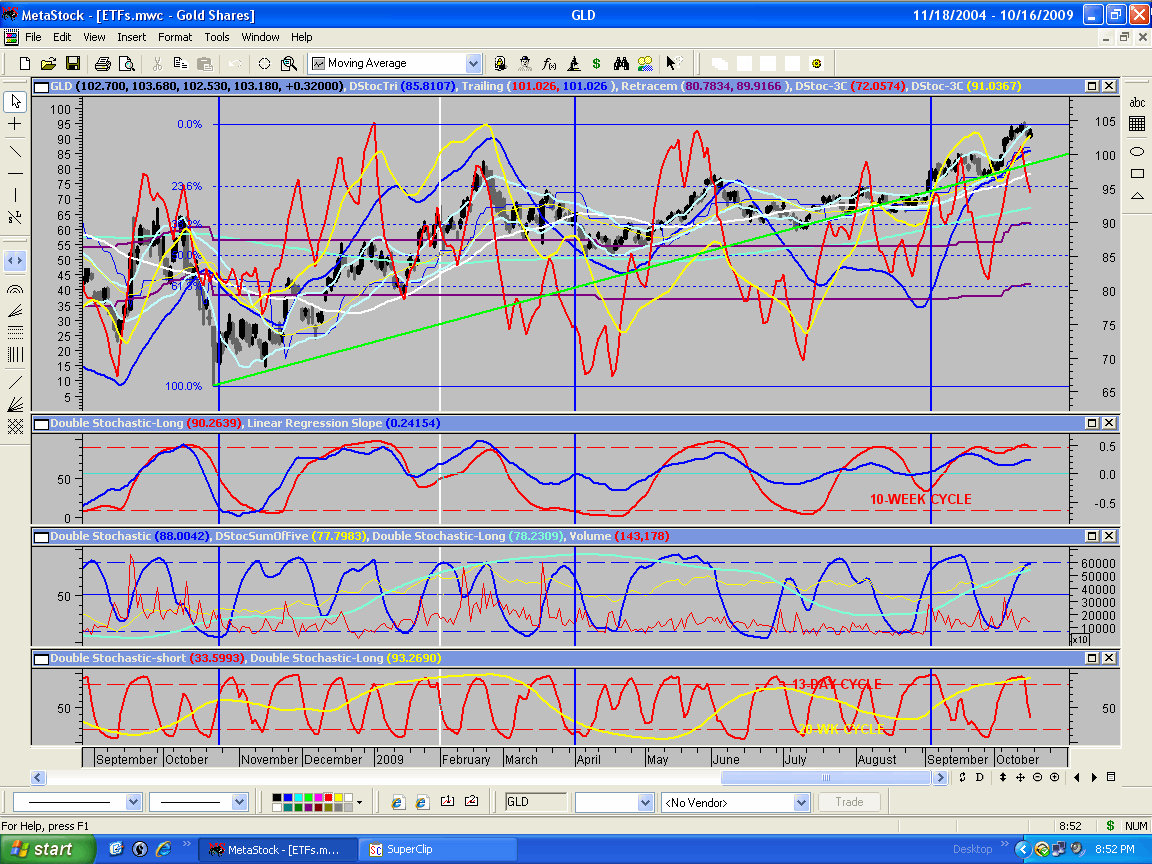
Gold (http://www.geocities.com/petegersb/GoldBullion.GIF) successfully tested the May 20-week cycle low and the
9-month moving average, and subsequently rallied up to the May peak. The
short-term composite is not yet overbought and the intermediate composite is
still at a very low level but rising. Gold should break above the May peak this
week and subsequently continue higher to once again challenge the $1000 level.
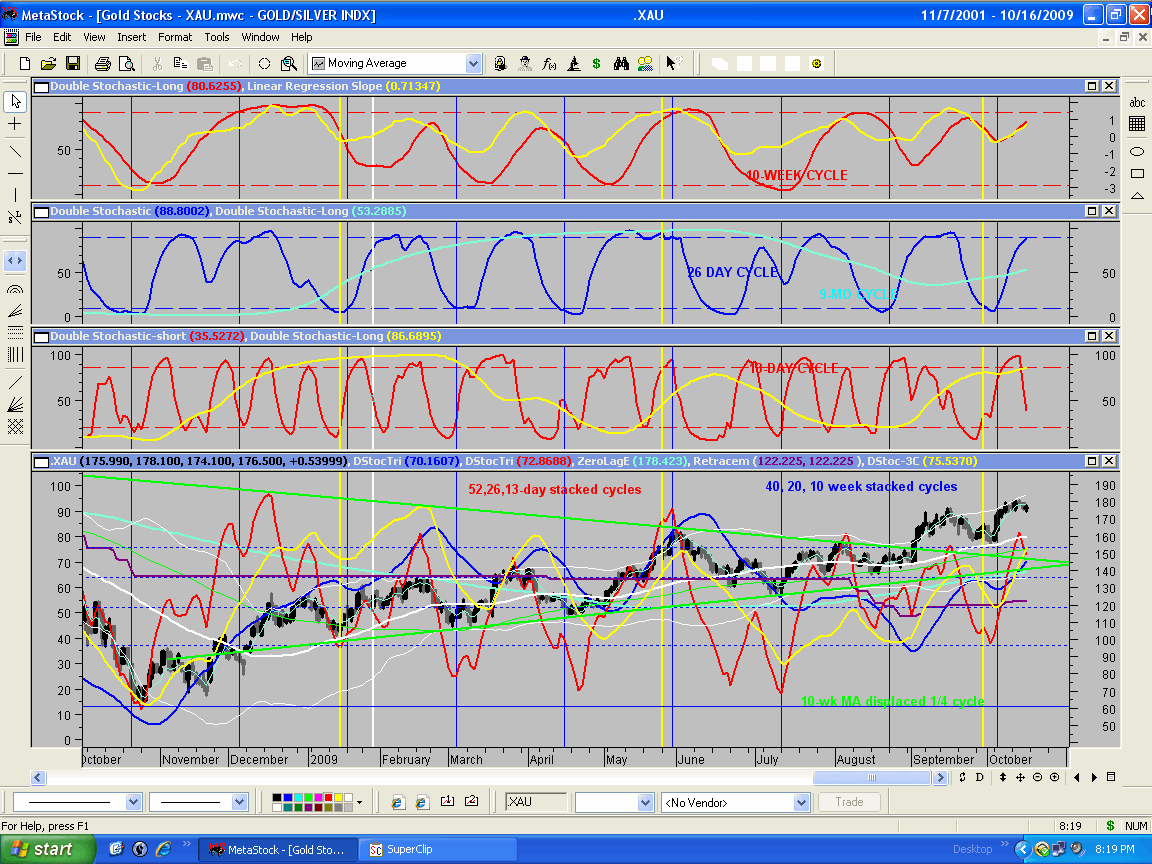
It still looks like a buy. Gold stocks as represented by the XAU
(http://www.geocities.com/petegersb/GoldStocks.GIF) are also challenging their May high, and the cycle
indicators look similar to those of the metal. The gold stocks may prove to be
the better buy for the near term if the drag from a declining broad market is
temporarily halted.
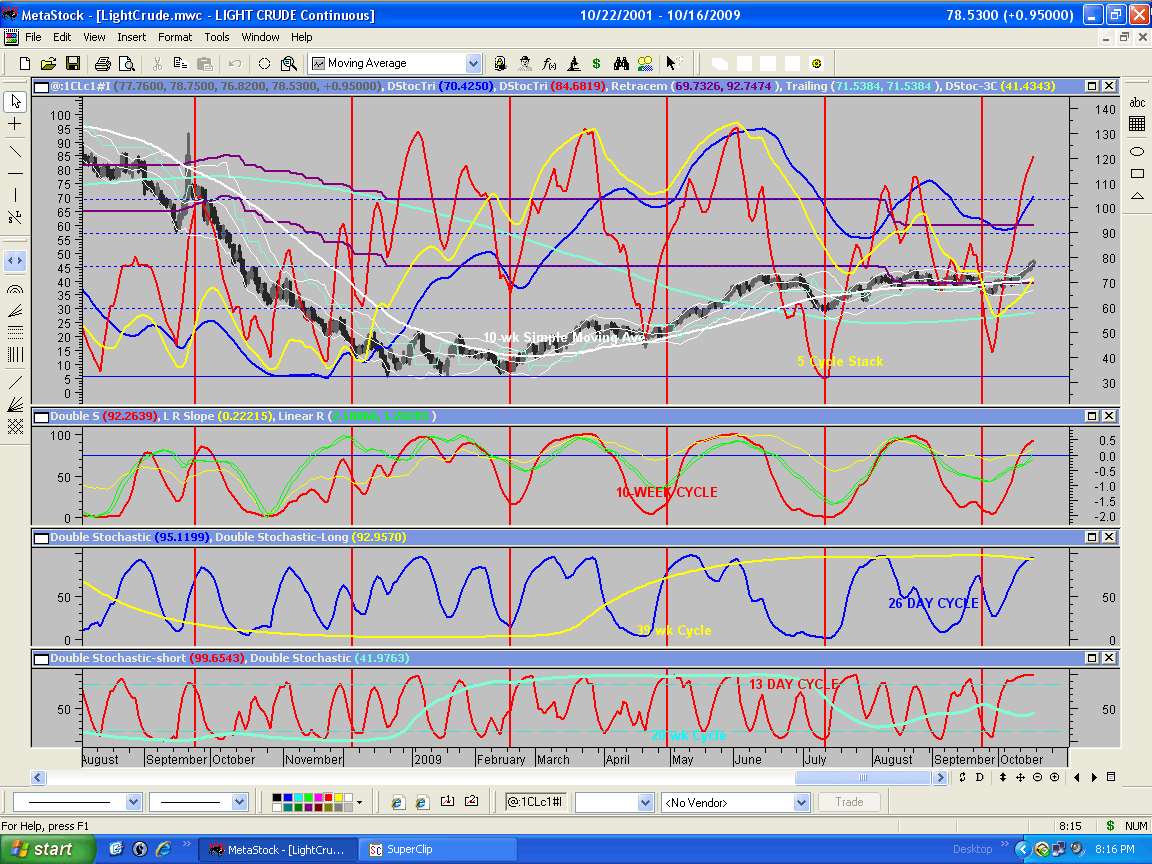
Crude oil (http://www.geocities.com/petegersb/CrudeOil.GIF),
as everyone knows, broke out of its June trading range last week to reach a new
all-time high above $140. The 10-week cycle hasn’t yet fulfilled my $150
expectation, but it and the 20-week cycle are only three and half weeks old,
and the short-term composite has risen only to the middle of the range. As long
as the analysts continue to trumpet that there is no justification for oil at
this lofty level, we can probably expect the rise to continue.
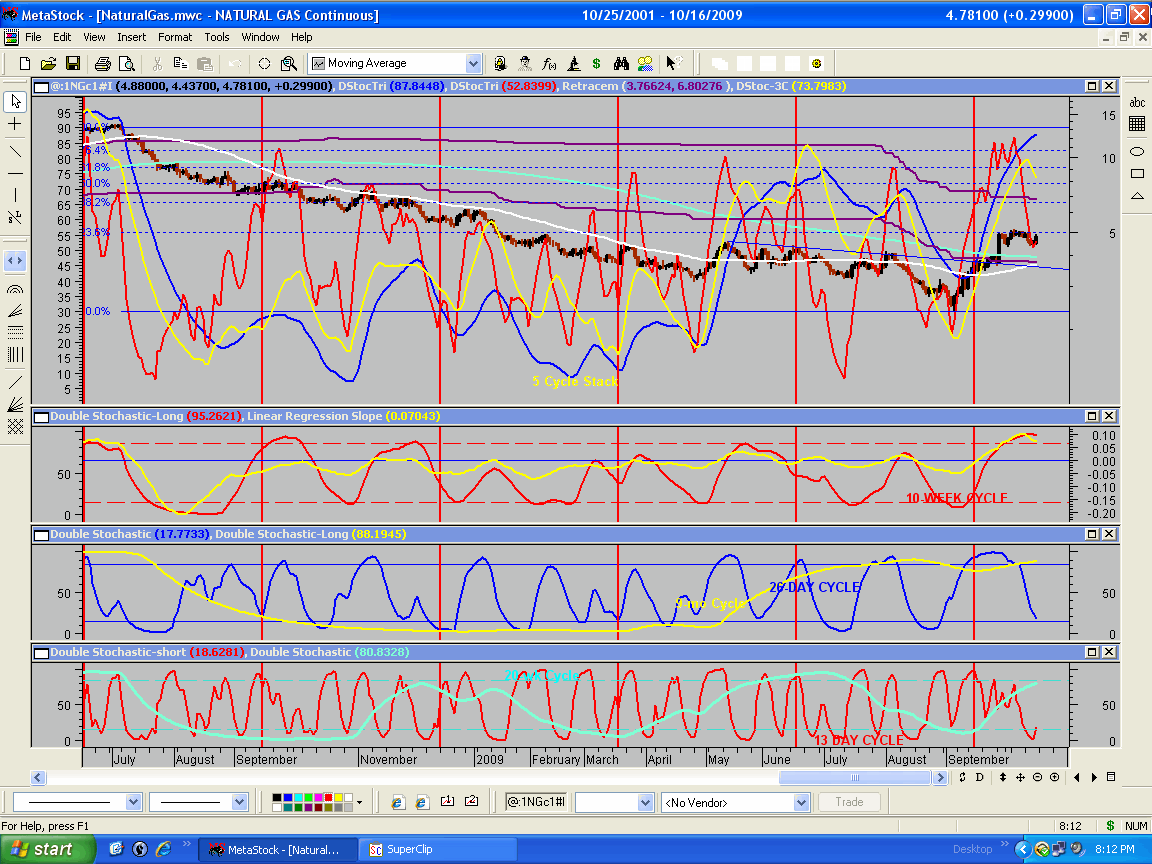
Natural
gas (http://www.geocities.com/petegersb/NaturalGas.GIF)
gas also hit another new high last week. The intermediate composite has turned
down from an overbought condition, but the short-term composite turned up again
on Friday from a level that sparked subsequent new highs after every minor
correction during the 2nd quarter. This is a period when there is
relatively little heating or air conditioning demand, and it precedes potential
hurricane supply disruptions. Ignore the short-term cyclic dips and stick with
it, at least until the trendline is broken.
While the underlying commodities have been surging, Energy stocks (http://www.geocities.com/petegersb/EnergySPDR.GIF) marked time during June – the apparent victim of weak
stock market. Nevertheless, Energy was the strongest of the 9 S&P sectors (http://stockcharts.com/charts/performance/SPSectors.html) for the week, for the month, for the quarter, for the
year, and probably for the decade. Valuations are still more attractive than
for most of the market, so there is little reason to expect this superior performance
to stop any time soon. The other good news for energy stock investors is that
the overbought 10 and 20 week cycles have been correcting while prices moved
sideways. The 10-week cycle is oversold and holding just above its 10-week
moving average, and both cycles have reached the limits of their life
expectancy. When we get a short-term rally in the broad market, energy stocks
are likely to surge again.