1/13/08
You have to wonder if Bank of America’s $7/share buyout of Countrywide Credit will work out any better than its $12/share attempted bailout a few months ago. B of A’s earlier bottom fishing attempt inspired a nice, albeit brief, rally in the stock market. This time it only seemed to act as a reminder of how desperate the situation is for many lenders. The economic situation has gotten so bad that even George Bush’s rose colored economic glasses have fogged up. His proposed remedy would extend his tax cuts beyond their scheduled 2010 expiration date. How tax adjustments 3 years hence can be expected to significantly influence economic activity today is something of a mystery – especially since the stimulus that he wants to continue produced such a substandard economic recovery in the past few years. I get a little nervous when too many people agree with me about the market outlook, and it seems that more and more forecasters are joining me in expecting a weak first half for stocks, although bullish advisory services still outnumber bearish ones by almost 2 to 1(http://www.geocities.com/petegersb/InvestorsIntelligence.GIF). Still, most of those coming to the pessimistic conclusion are people whose opinion I respect, so I won’t become overly concerned unless it becomes the conventional wisdom. The latest of these that I’ve become aware of is Phil Erlanger. While commenting on a false allegation that we have just seen the worst 5 opening days of a new year in history (merely the worst since 1978), he goes on to show his 20-year seasonal cycle model (http://clicks.aweber.com/y/ct/?l=KZIWV&m=1g0cKpHwjR_2Az&b=csxYhRj97XS3Jzooo5CCuw) - a combination of the decennial pattern and the presidential cycle. It forecasts the next significant low on Feb 19 followed by a rally into April 8 and final plunge into June 3. Obviously ascribing such precision to a 20-year model would be nonsensical, but the big picture agrees well with my own reading of the intermediate cycles. Mid February would be about right for 5-week (26-day) and 10-week cycle lows, while June 3 is reasonably close to the expected 20-week and 9-month cycle lows that I published on in my turn-of-the-year letter (http://www.geocities.com/petegersb/mk071230.html).
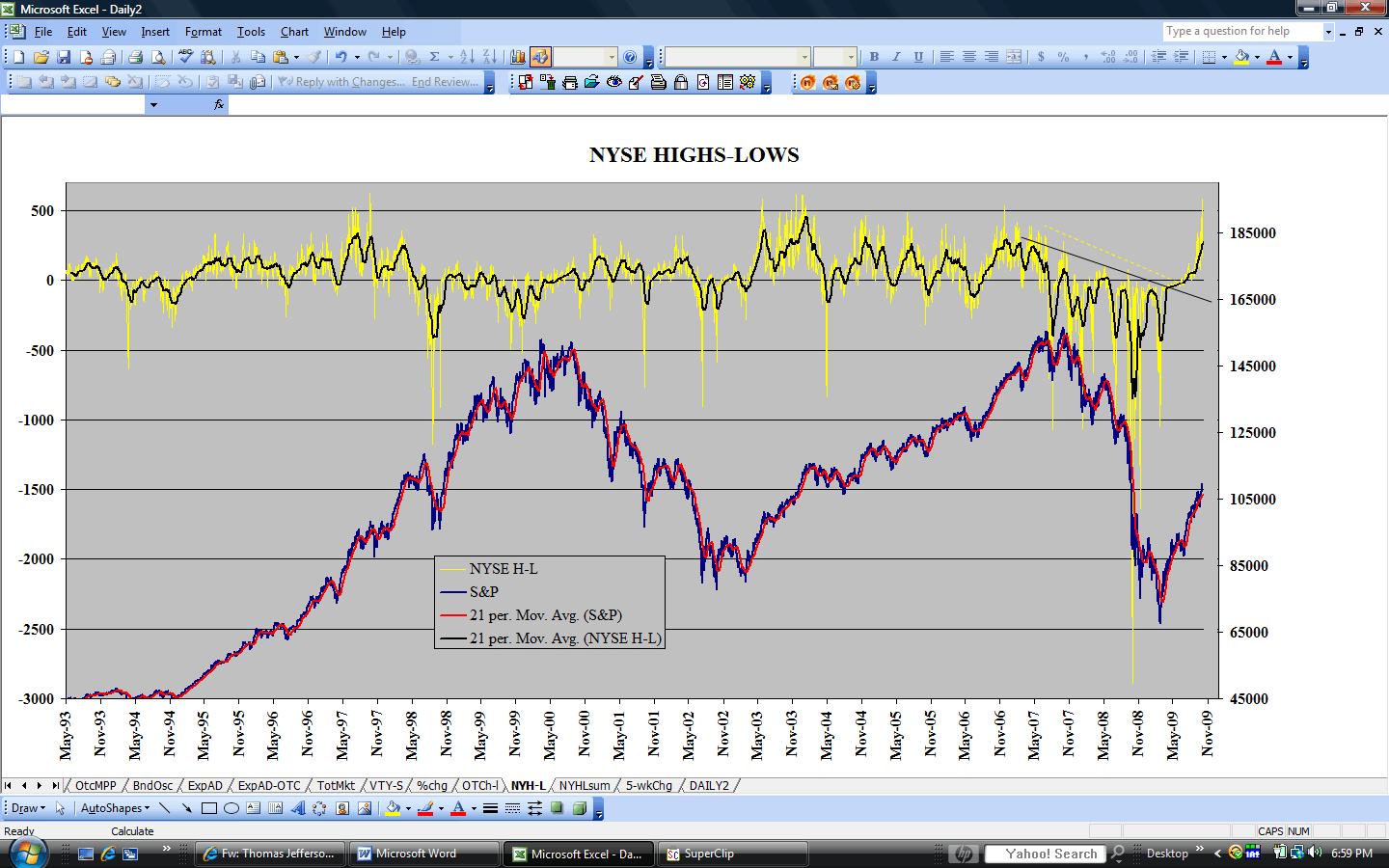
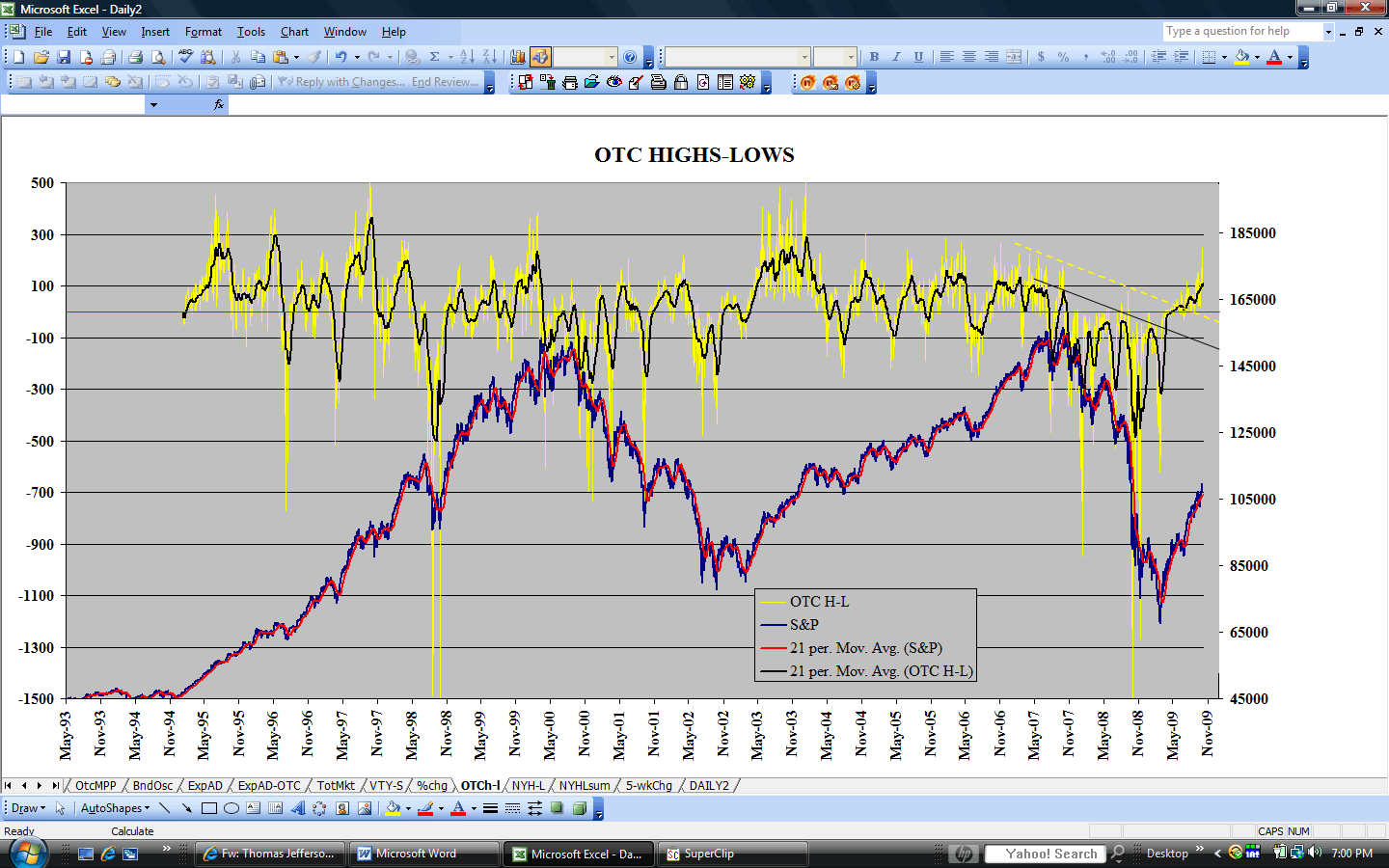
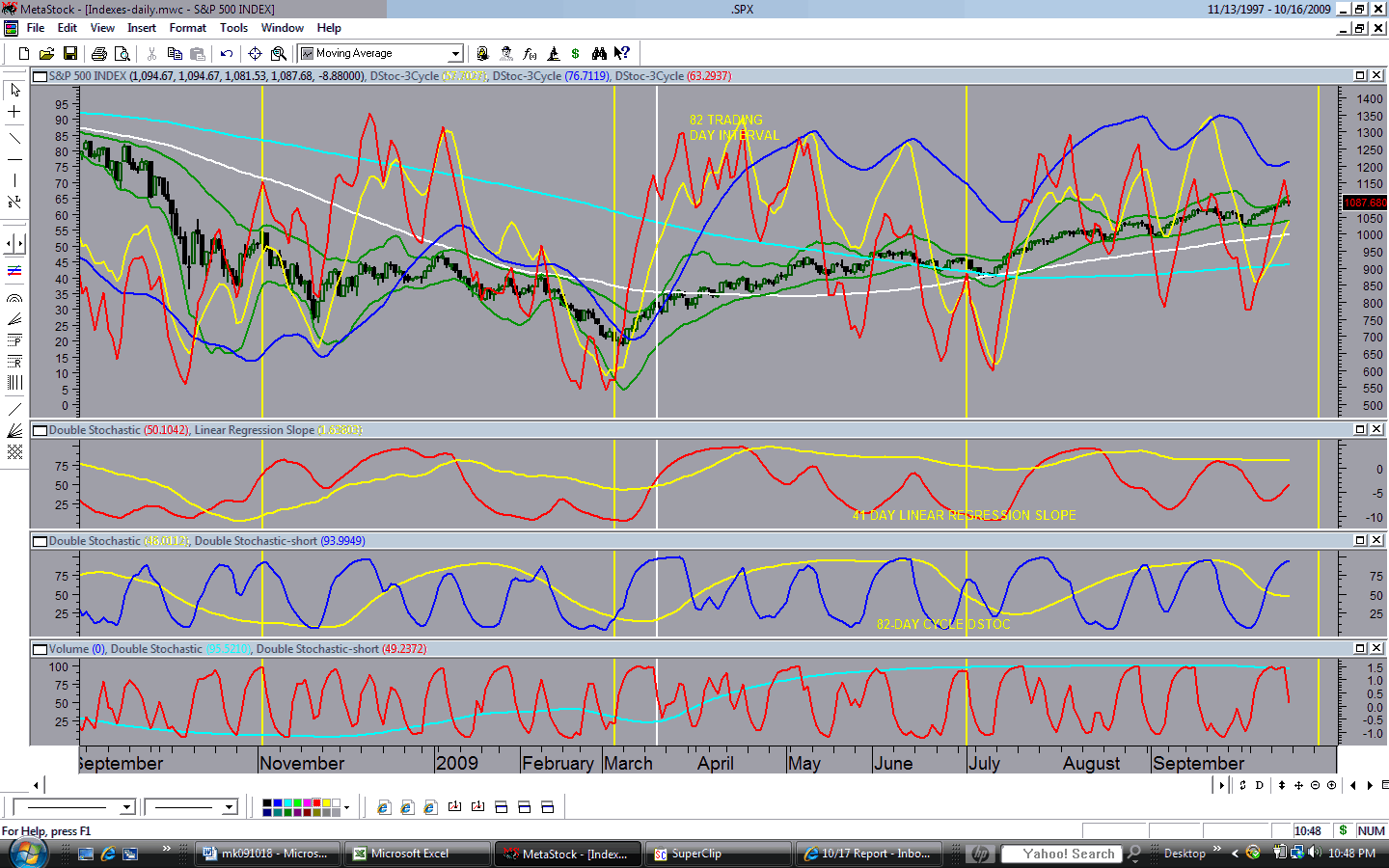
I had expected stocks to continue declining into midweek, and they obliged by establishing a short-term low near mid-day on Wednesday before staging a furious 2 hour rally into the close. Before rallying, however, the number of new 12-month lows (http://www.geocities.com/petegersb/HighLowNYSE.GIF, http://www.geocities.com/petegersb/HighLowOTC.GIF) reached a higher level than they did in late November. Since this number generally peaks before the averages bottom, it’s another piece of evidence that we can expect a lower price low sometime in the future. How low? On Tuesday, the SPX (http://www.geocities.com/petegersb/SP500.GIF) broke below the neckline of a head & shoulders top at 1406. That’s 170 points below the October high. By popular market lore, it projects a further decline of at least another 170 points to 1236 or lower.
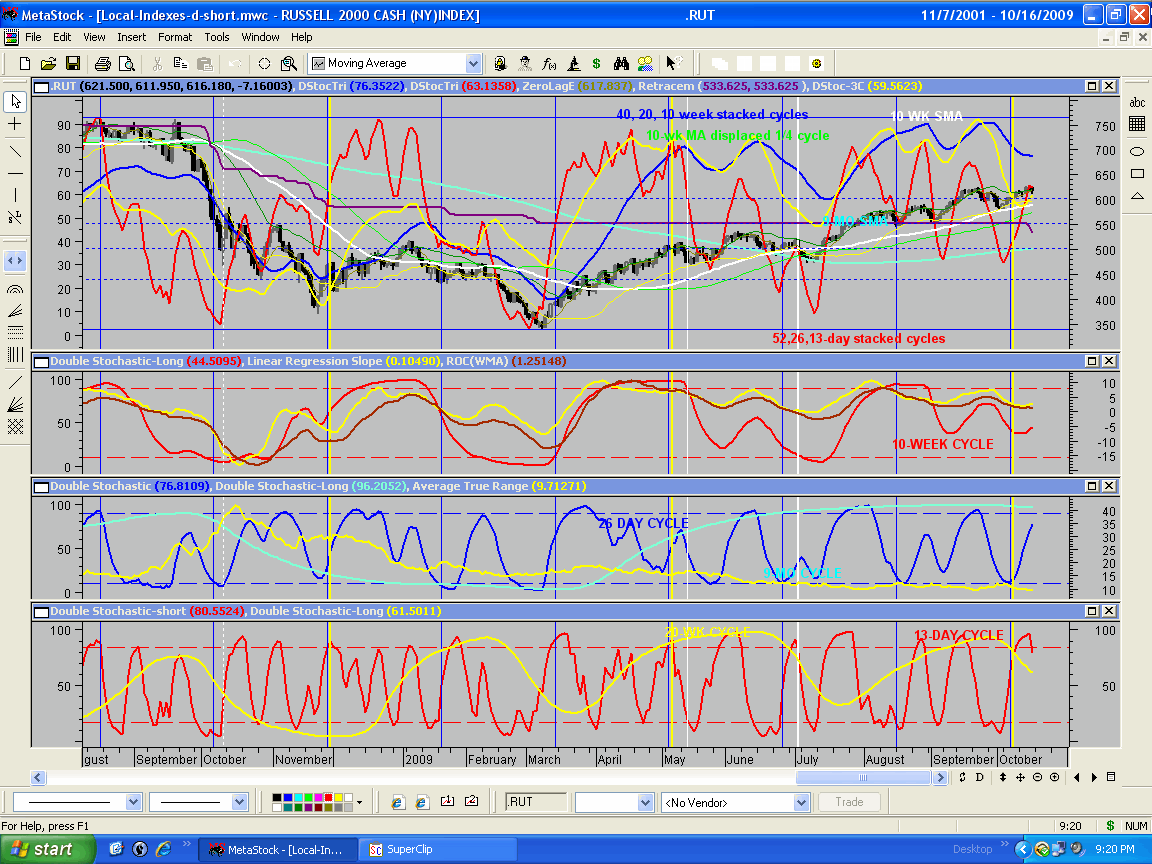
The short-term rally lasted only a day, peaking an hour before the close on Thursday before another nasty sell off on Friday, as even high end retailers reported low expectations, American Express had to increase loan loss reserves as consumers become increasingly unable to pay their credit card debt, and the trade deficit reached another new high despite some improvement in exports. 26 trading days from Wednesday’s low would bring us to February 14 when the 10-week cycle will be 11.5 weeks old. I conclude that I have to extend my forecast for a weak January through the first half of February. Wednesday’s intraday low held a fraction of a percent above the March and August intraday lows on the SPX (http://www.geocities.com/petegersb/SP500.GIF). The small-cap Russell 2000 (http://www.geocities.com/petegersb/Russell2000.GIF) broke those support levels decisively on January 4th, and I suspect the large-cap indexes will follow suit this week.
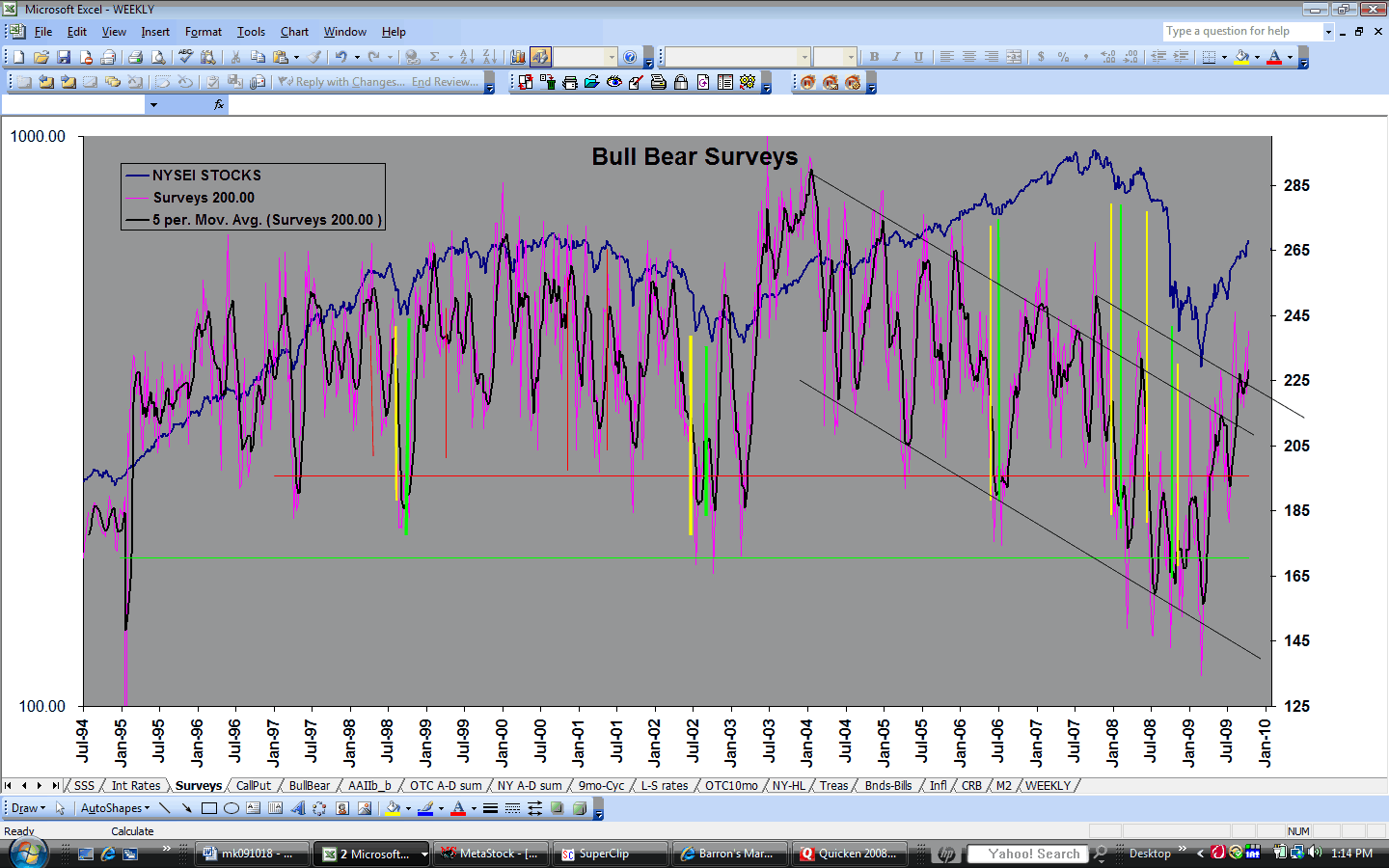
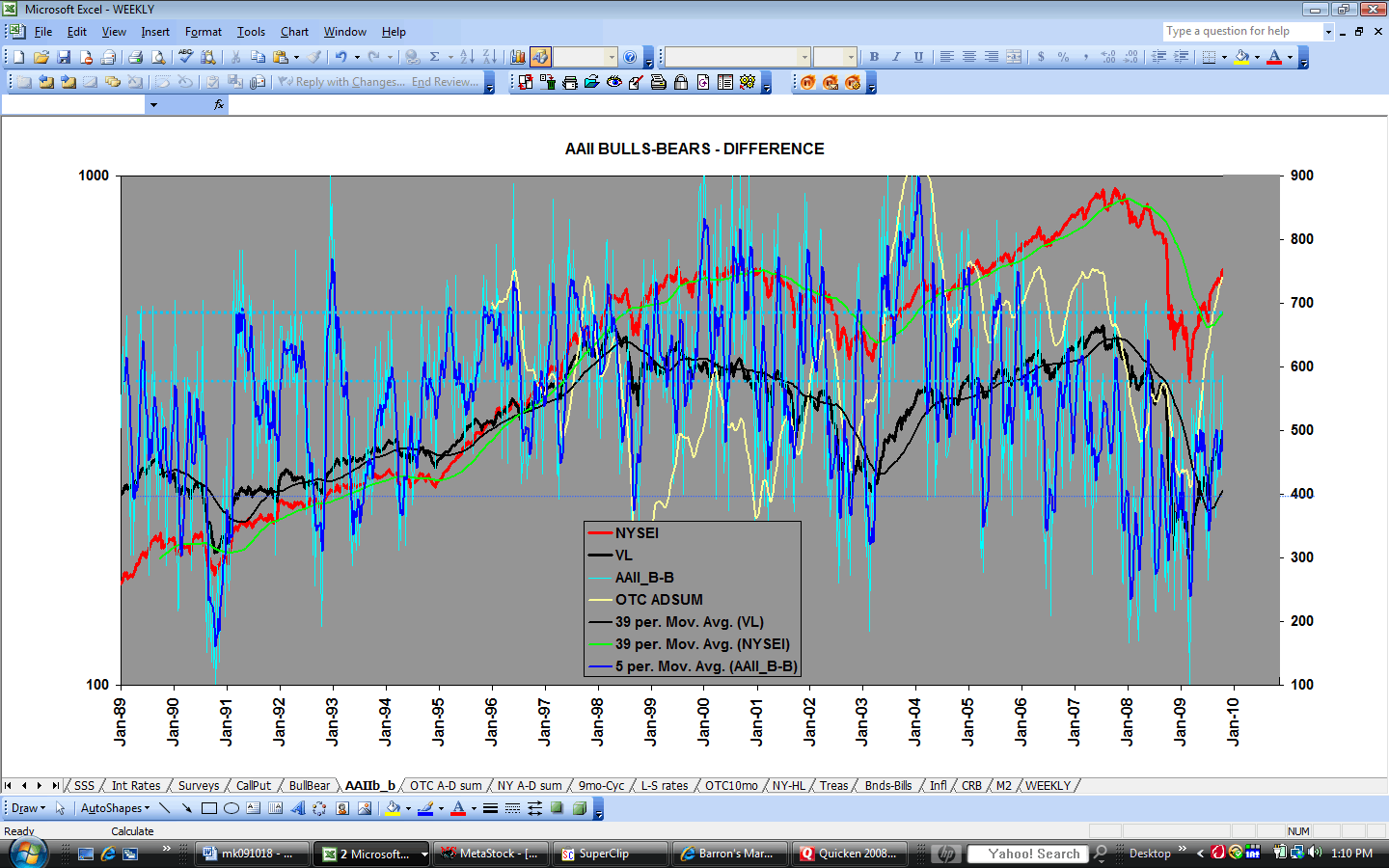
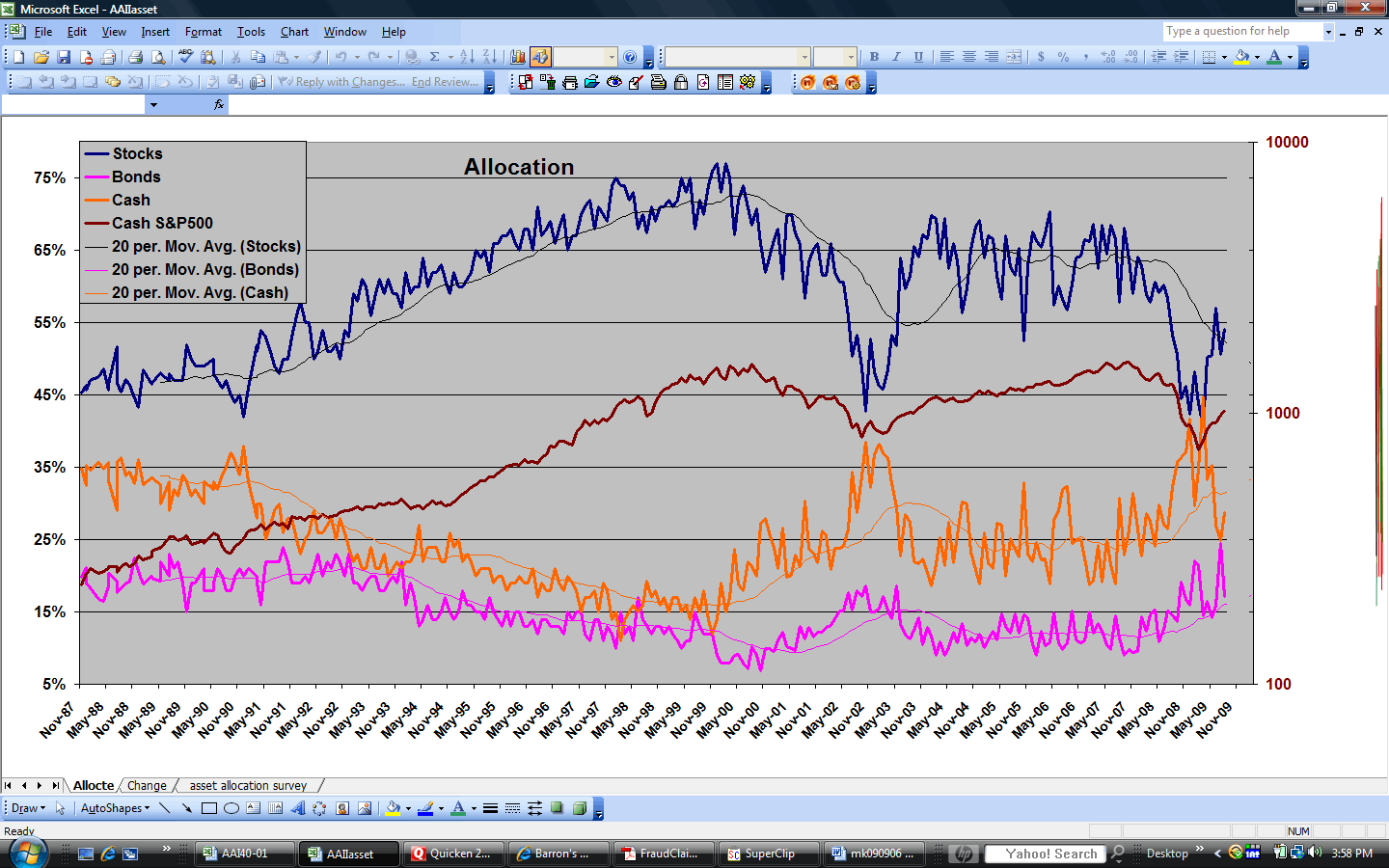
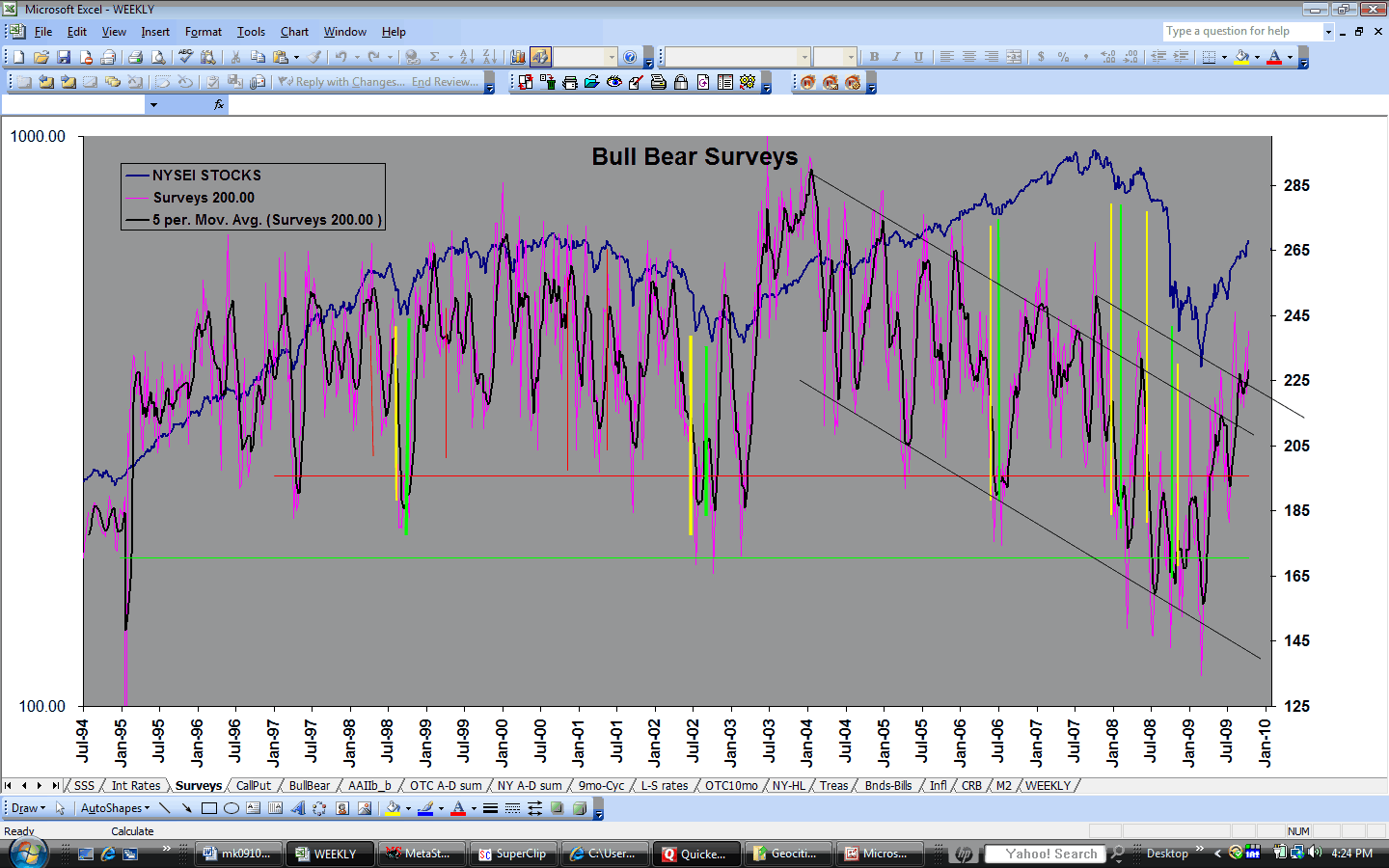
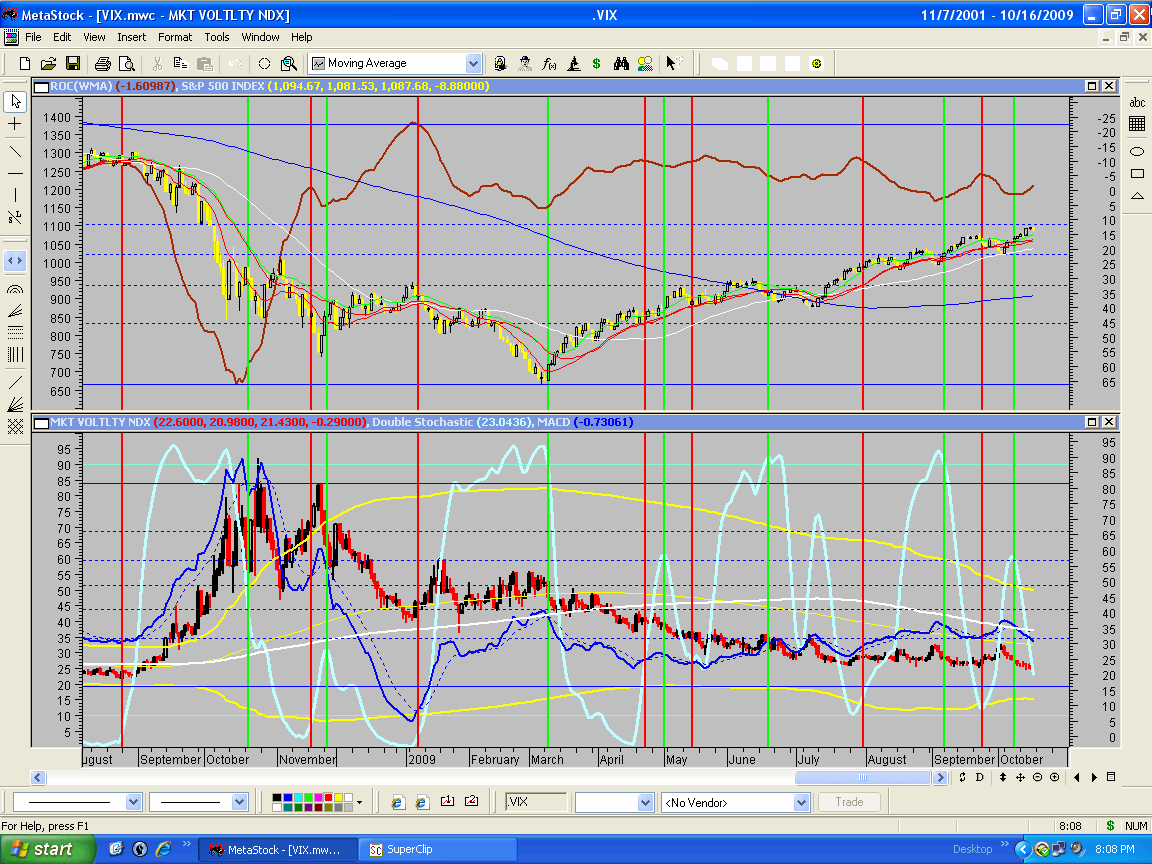
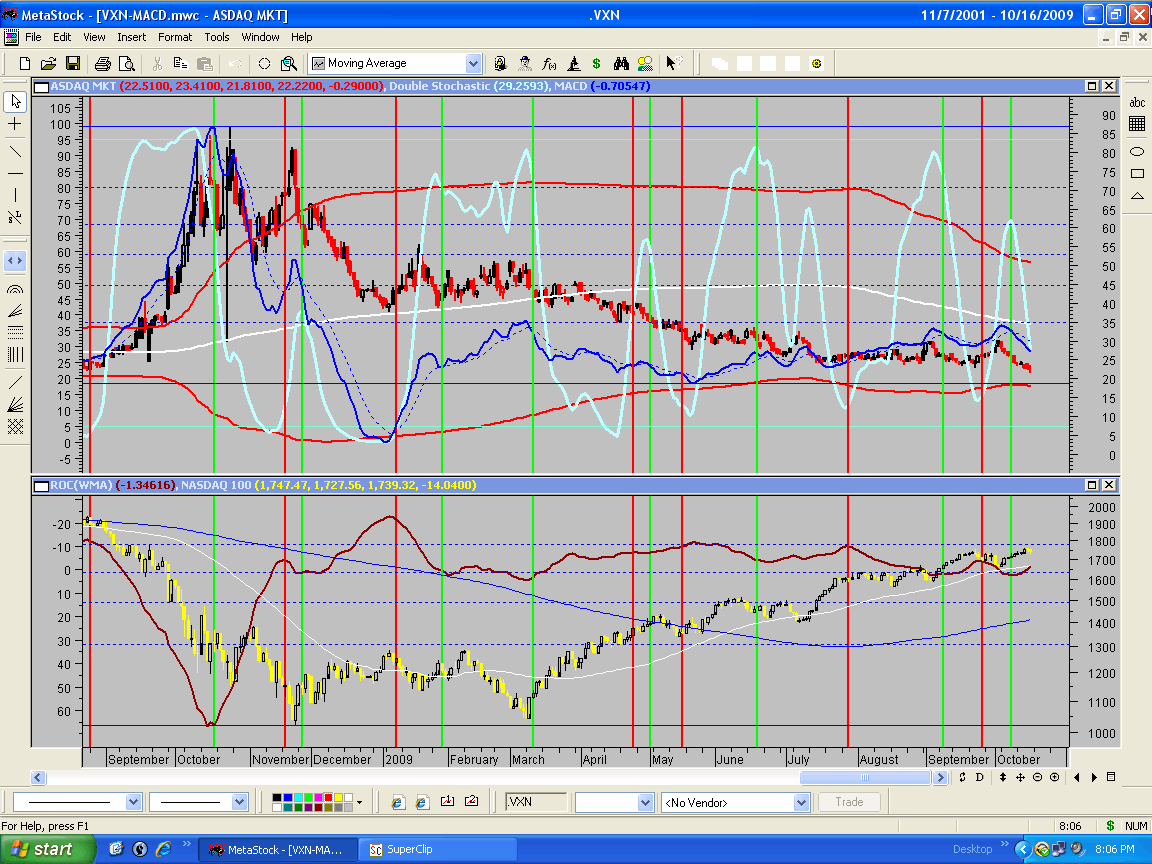
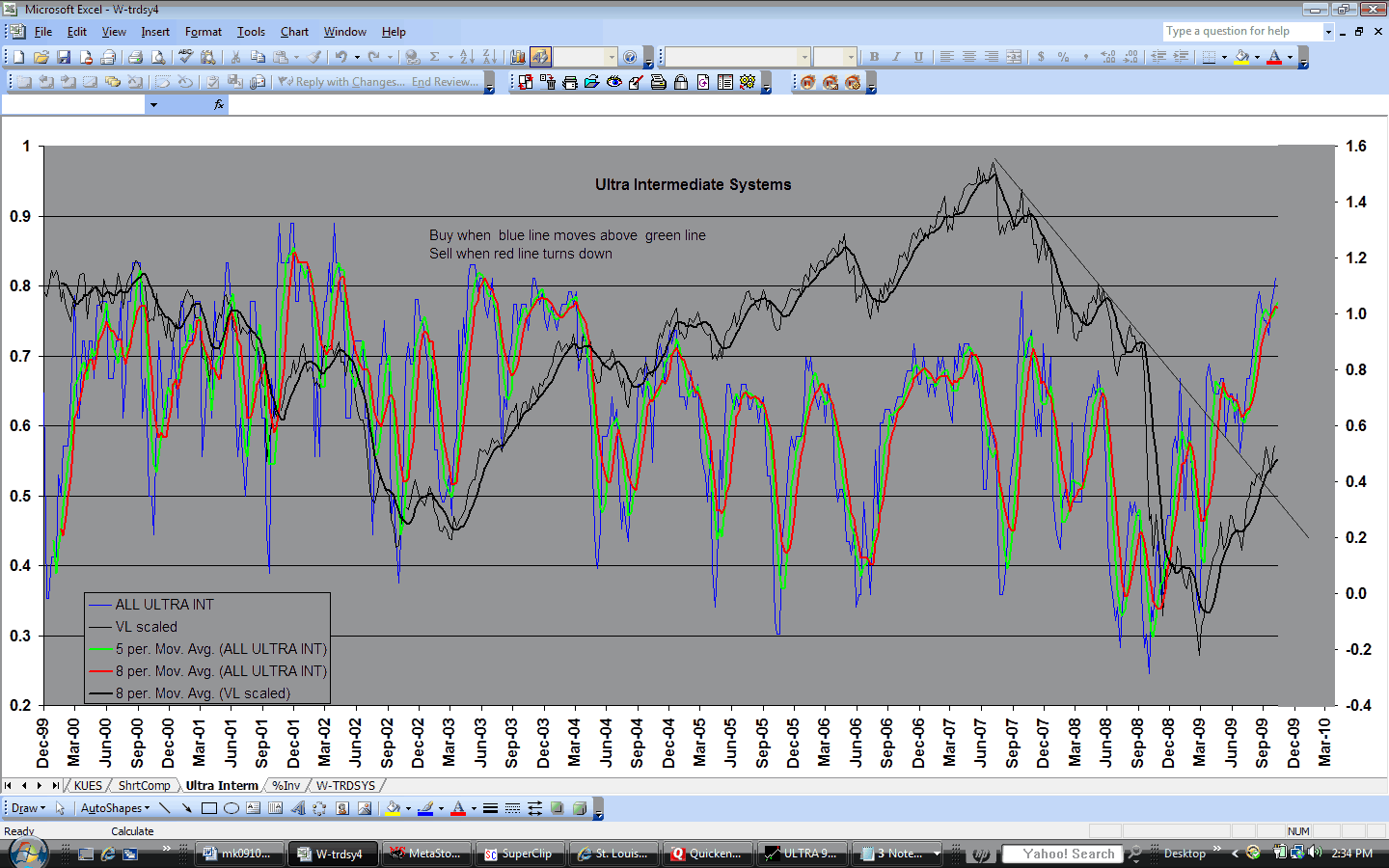
AAII pessimism (http://www.geocities.com/petegersb/AAIIsentiment.GIF) is now its deepest in 17 years (the 1990 four-year cycle low), but either they are not telling the truth about their predictions or about their asset allocation (http://www.geocities.com/petegersb/AAIIassets.GIF ). They think stocks are going down, but they have allocated 4% more of their assets to stocks than is their norm. Since advisors are still highly bullish (http://www.geocities.com/petegersb/InvestorsIntelligence.GIF), I’m inclined to believe the monthly AAII asset numbers rather than the weekly sentiment readings. Of course, it’s possible that AAII members are operating in the hope mode – pessimistic about the next 6 months, but hoping for a good short-term rally into which to sell. When they finally despair of getting a decent rally or do sell into a short-term rally, it will probably turn into a long-term rally. When you combine the AAII and Investors Intelligence surveys (http://www.geocities.com/petegersb/SurveysCombined.GIF), the picture that emerges suggests further downside. The 5-week moving average is declining, but it hasn’t yet reached 4-year cycle bottom levels. Similarly, neither the DStocs on the weekly VIX and VXN (http://www.geocities.com/petegersb/VIX-weekly.GIF, http://www.geocities.com/petegersb/VXN-weekly.GIF) nor the daily VIX and VXN (http://www.geocities.com/petegersb/VIX.GIF, http://www.geocities.com/petegersb/VXN.GIF) have reached levels normally seen at 20 and 10-week cycle lows, and neither have the moving averages on the ULTRA composite (http://www.geocities.com/petegersb/UltraIntermediate.GIF ). Virtually all indicators point to further downside for stocks.
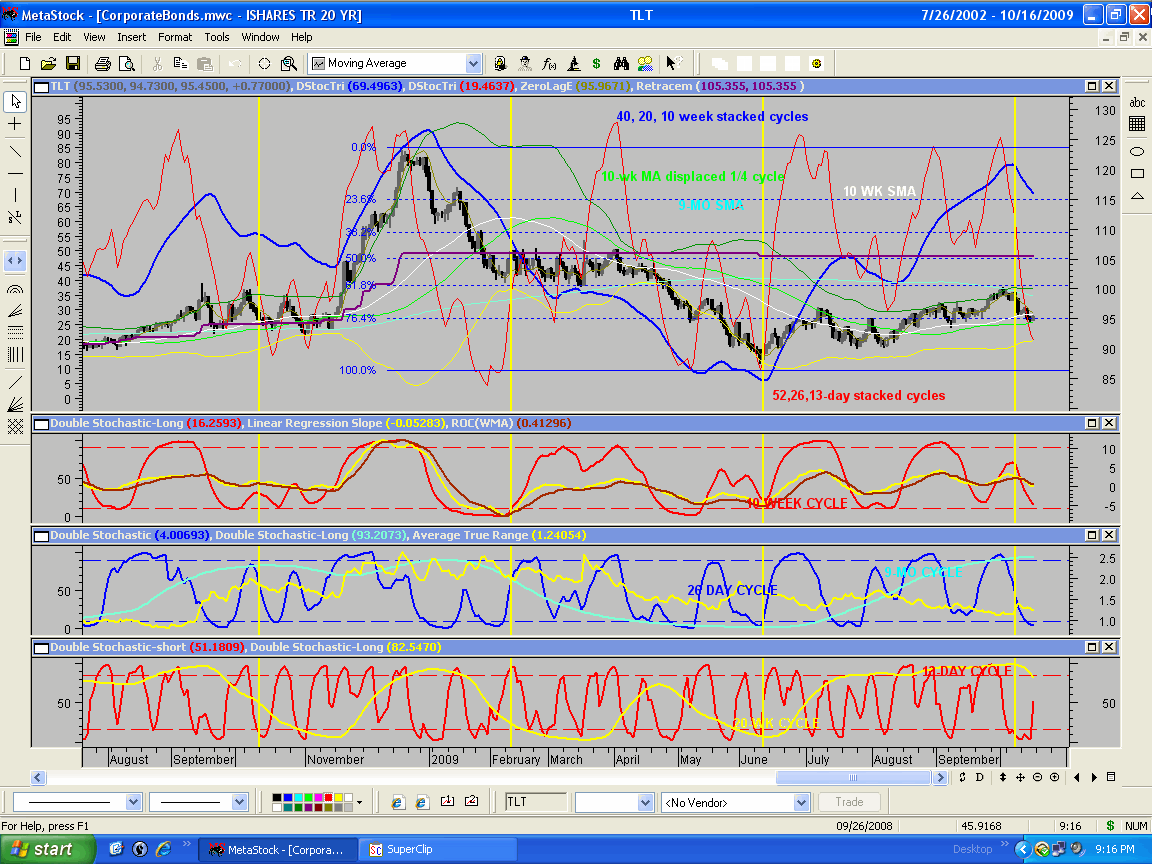
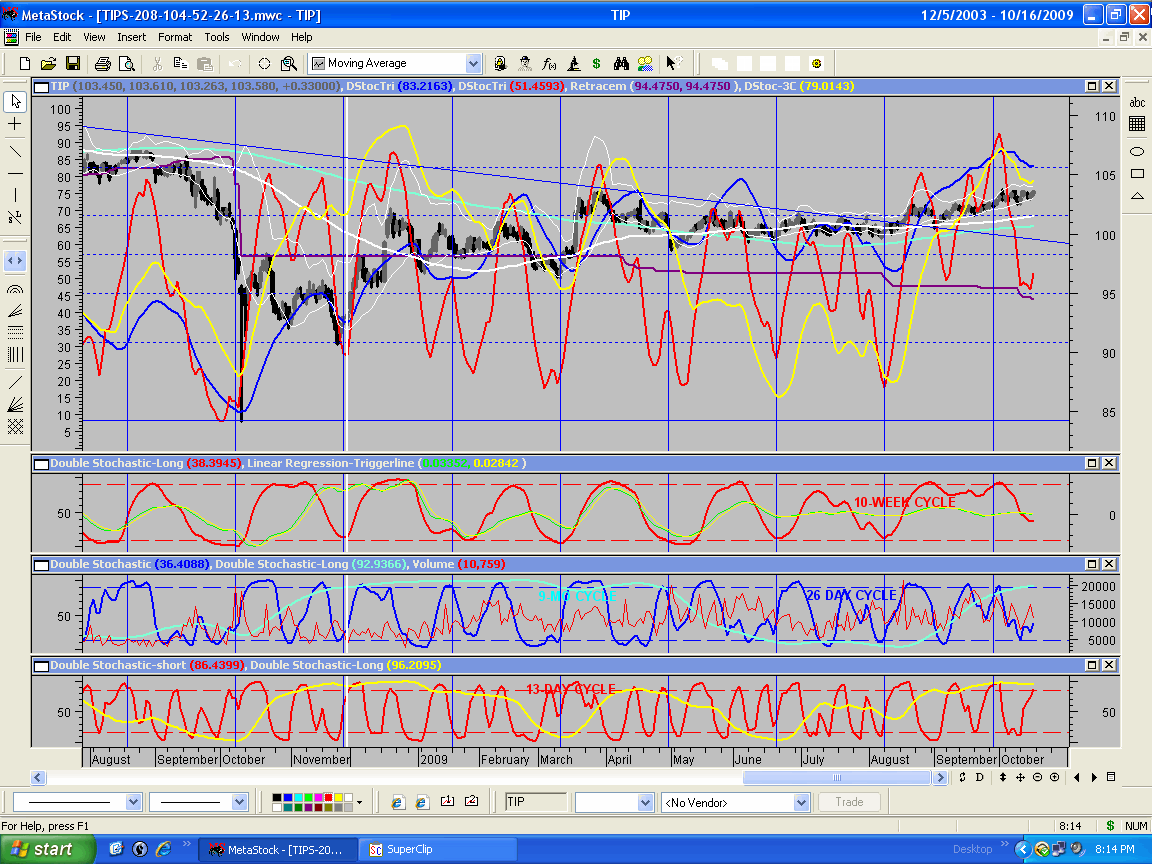
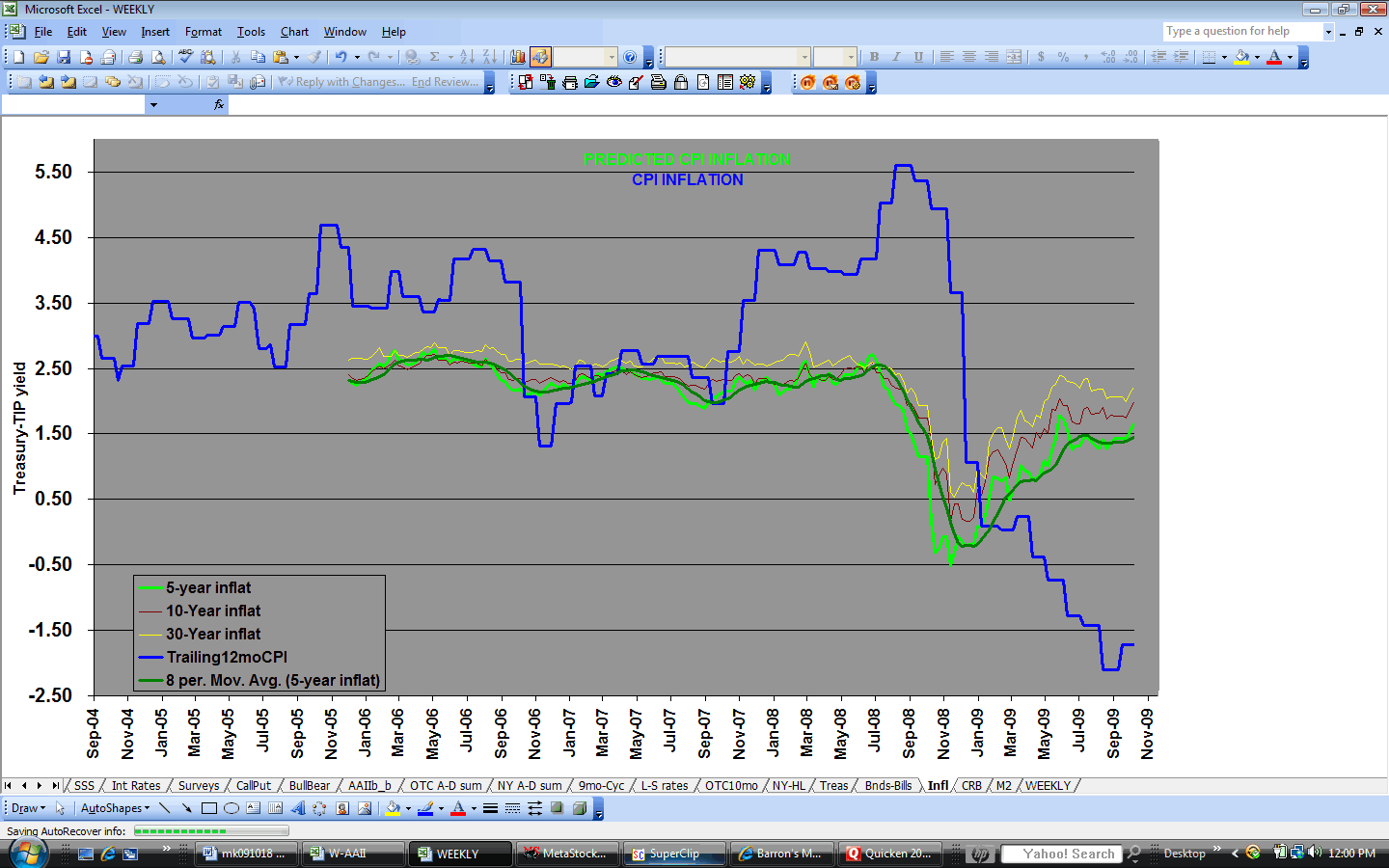
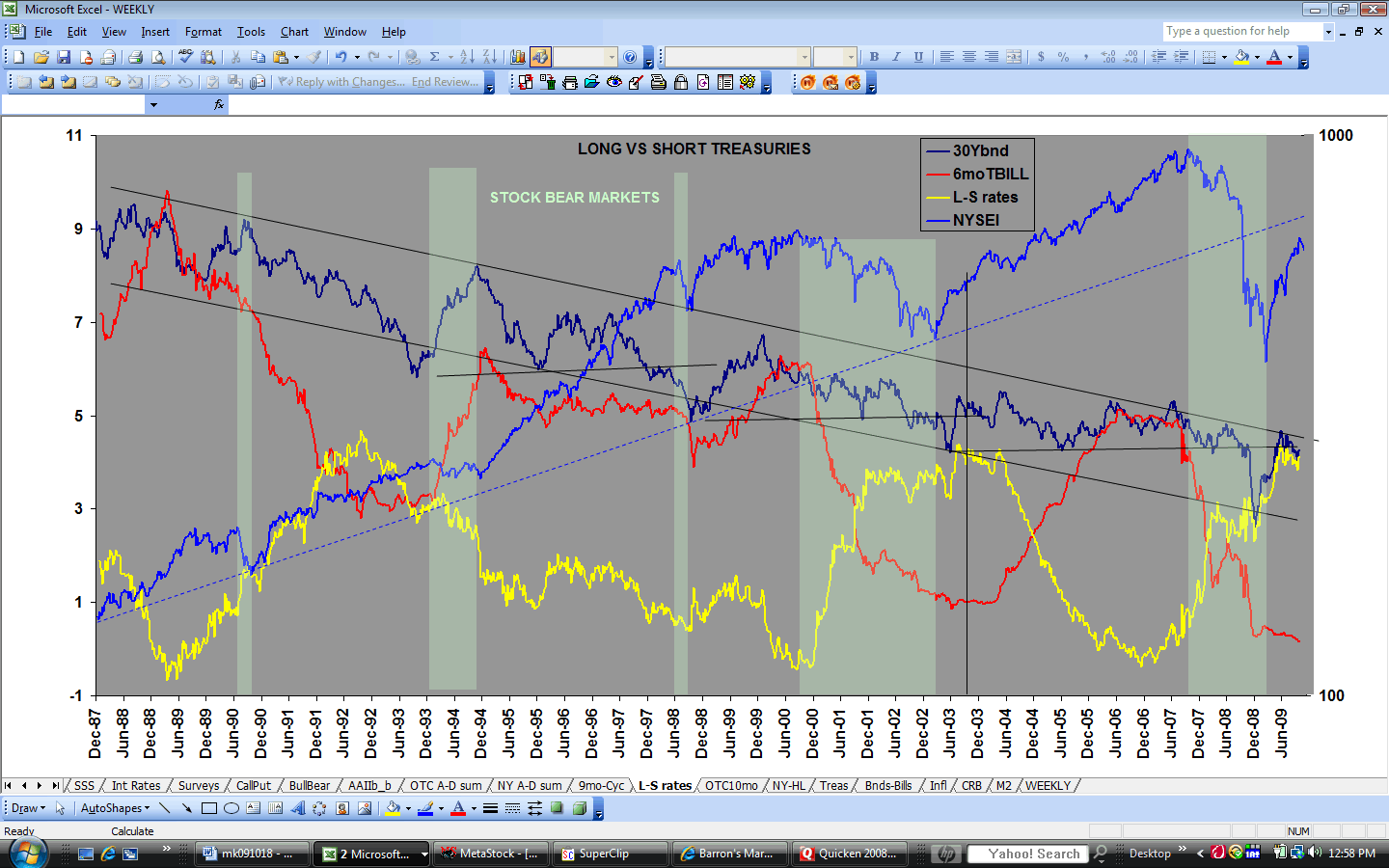
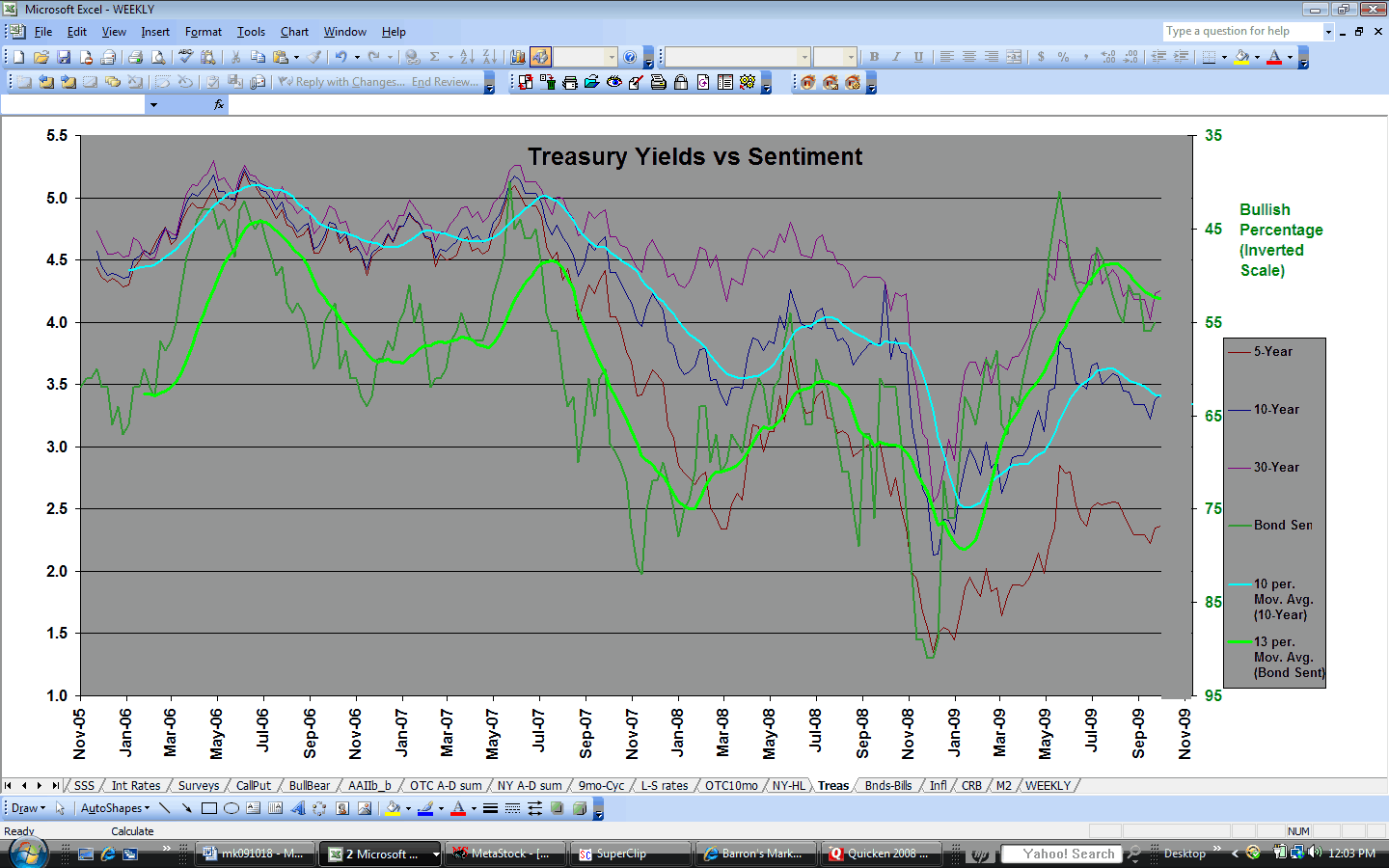
The T-bill auction rate fell almost a half percentage point last week, reflecting the belief that the Fed will cut Fed Funds by that much at month end. Long rates on conventional Treasuries (http://www.geocities.com/petegersb/Treasury-20yr.GIF) rose slightly, while those on inflation protected Treasuries (http://www.geocities.com/petegersb/TIPs.GIF) dropped very slightly – resulting in heightened inflation expectations for the long term, but reduced inflation expectations in the short-term (http://www.geocities.com/petegersb/CPI.GIF). The discrepancy in the direction of bonds and bills caused the yield curve to normalize a little more (http://www.geocities.com/petegersb/Long-ShortYields.GIF). Bond optimism rose a little to a high 72% (http://www.geocities.com/petegersb/BondSentiment.GIF ), but is was enough to cross the 3-week moving average and negate the recent sell signal for bonds. Bonds appear to have begun another short-term rally within a continuing intermediate uptrend.
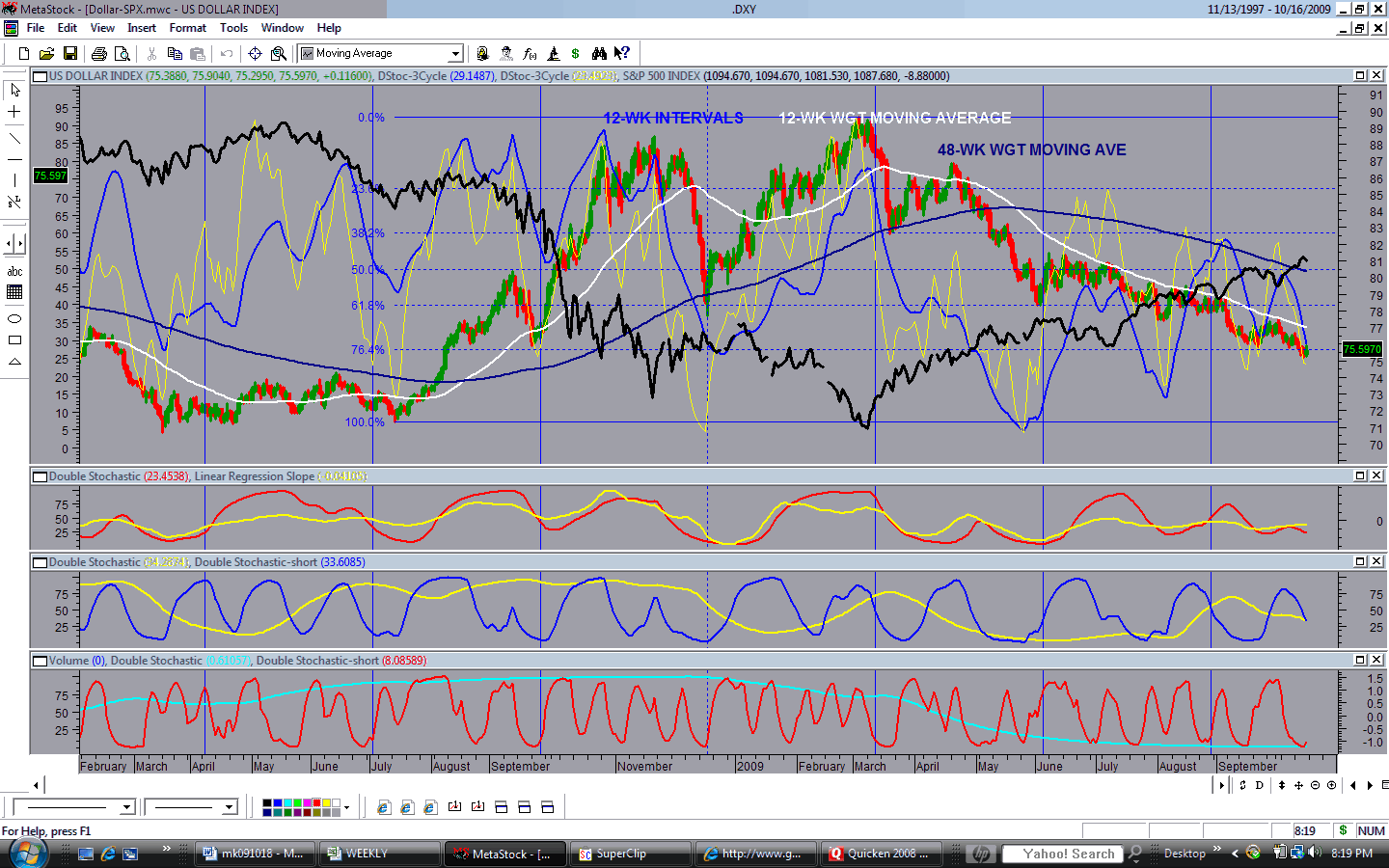
The dollar (http://www.geocities.com/petegersb/Dollar.GIF) attempted a rally early
in the week, but resumed its downtrend on Thursday. Both short and intermediate
composites began new downtrends as a result. The November lows are likely to be
tested soon, and there is no reason to believe that the test will be
successful.
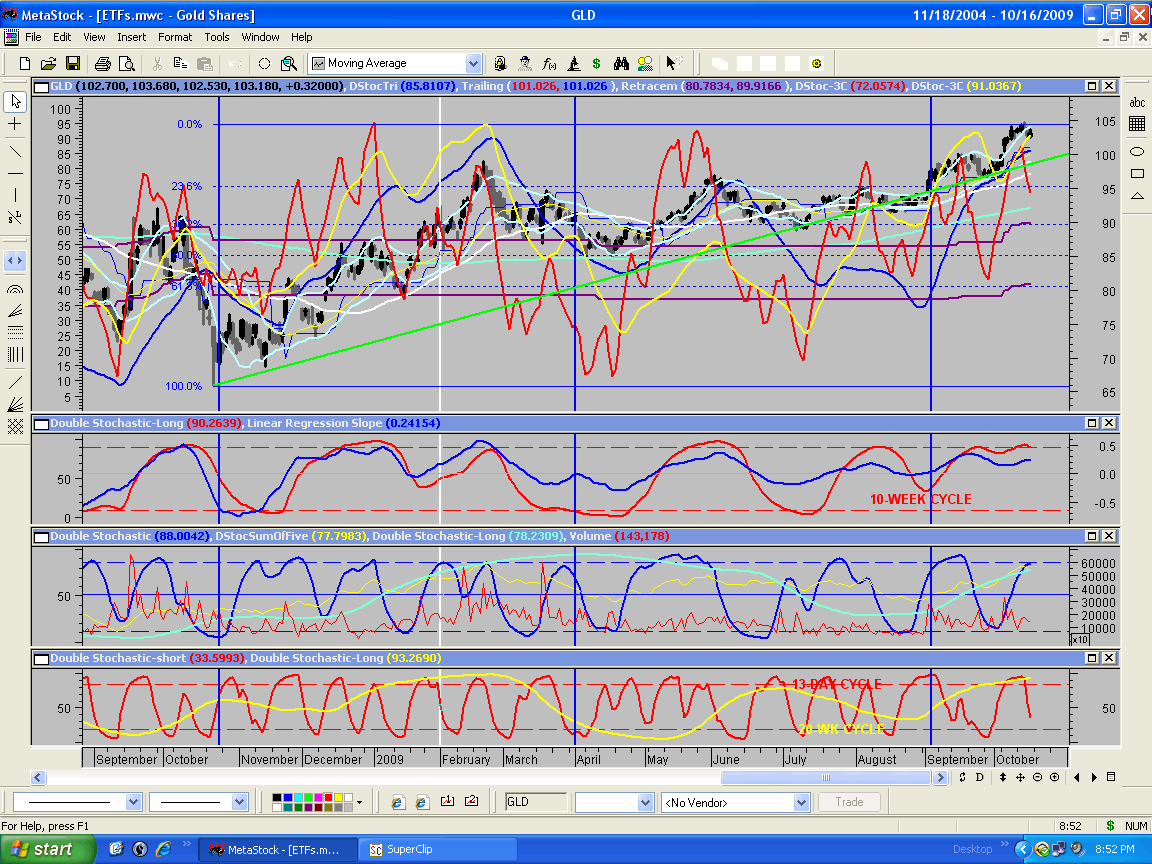
Gold (http://www.geocities.com/petegersb/GoldBullion.GIF) again surged to a new high after the 13-day cycle correction
lasted only a day. the young 13-day and
20-week cycles will probably produce more new highs this week before gold
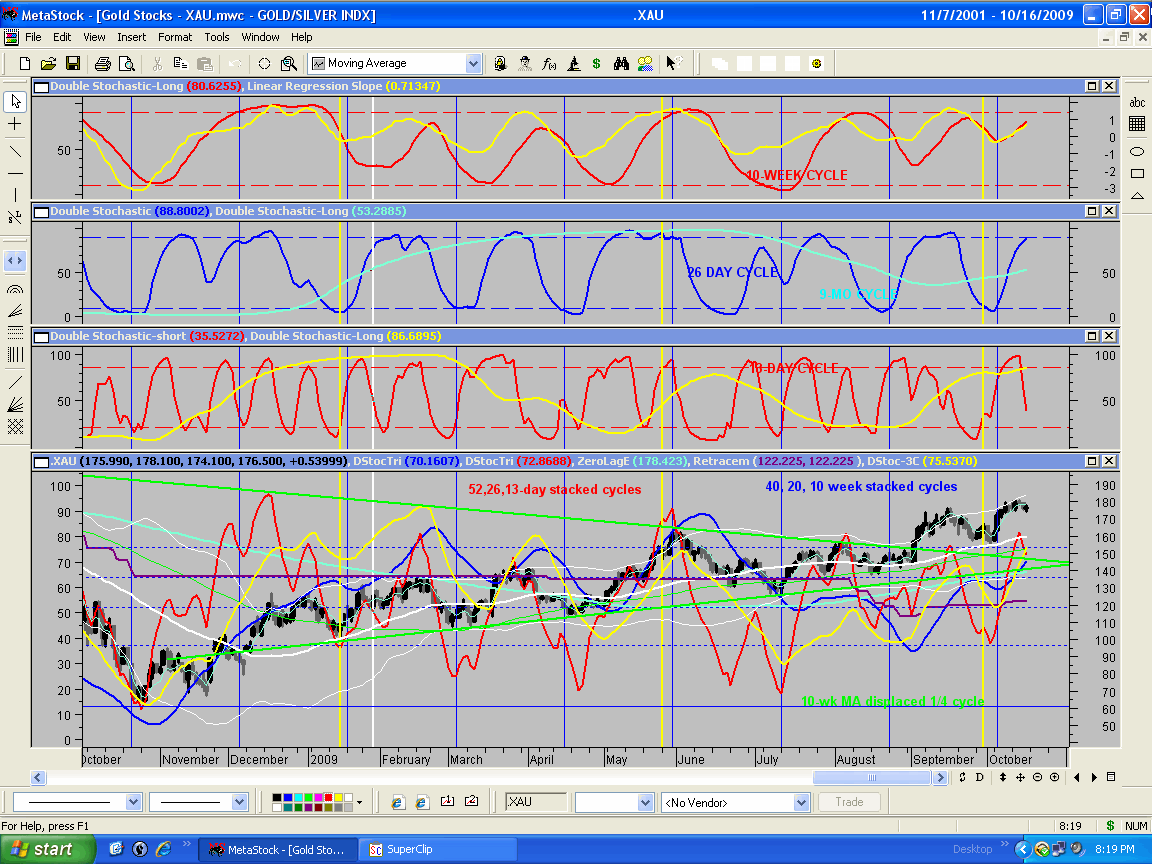
finally succumbs to its short-term overbought condition. Gold stocks (http://www.geocities.com/petegersb/GoldStocks.GIF)
also moved to a new high, but only slightly above the November
peak. The XAU isn’t quite as overbought as GLD.
It appears likely to establish more new highs this week.
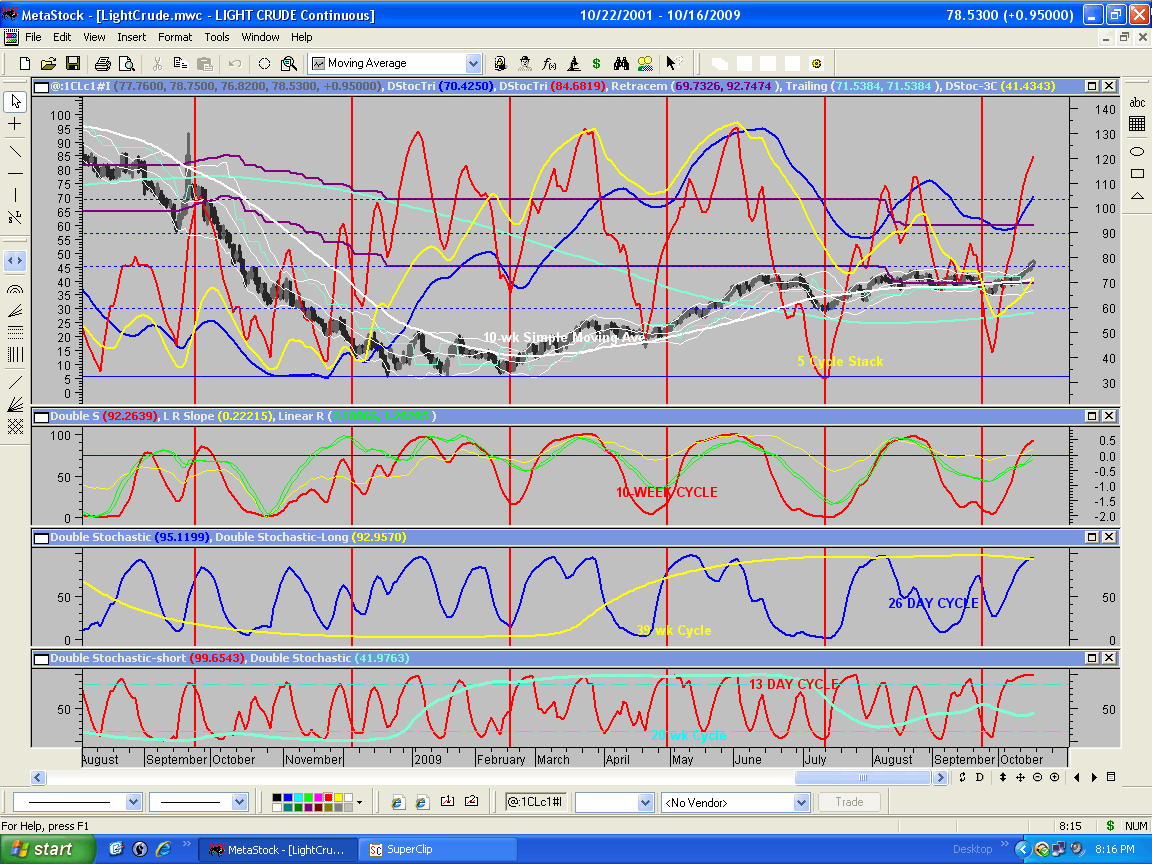
Crude oil (http://www.geocities.com/petegersb/CrudeOil.GIF) produced the expected 13-day cycle correction last week,
as the price dropped slightly below its 10-week moving average. That’s a bit
more than I expected, and it was enough to turn the 10 and 20-week cycle DStocs
downward. The oversold 13-day cycle is now 16-days old. It should produce a
rally early this week, but the short-term trend is now clearly negative and
threatening to turn the intermediate trend downward as well.
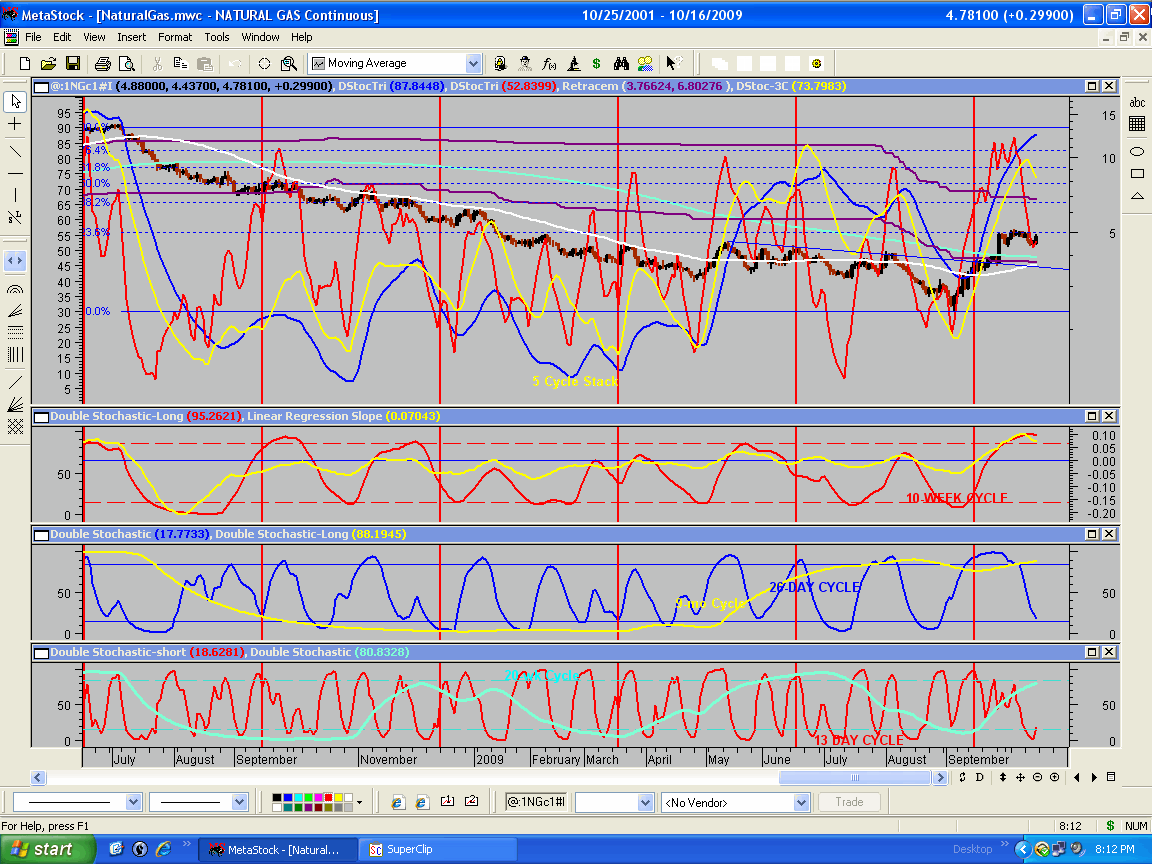
Natural gas (http://www.geocities.com/petegersb/NaturalGas.GIF) rallied to an apparent 13-day cycle peak on Friday. After
a short-term correction, Natural gas should be ready to assault its November 10/20-week
cycle peak. If it can break above that barrier, the two-year old basing pattern
may be complete.
For the first time in many weeks,
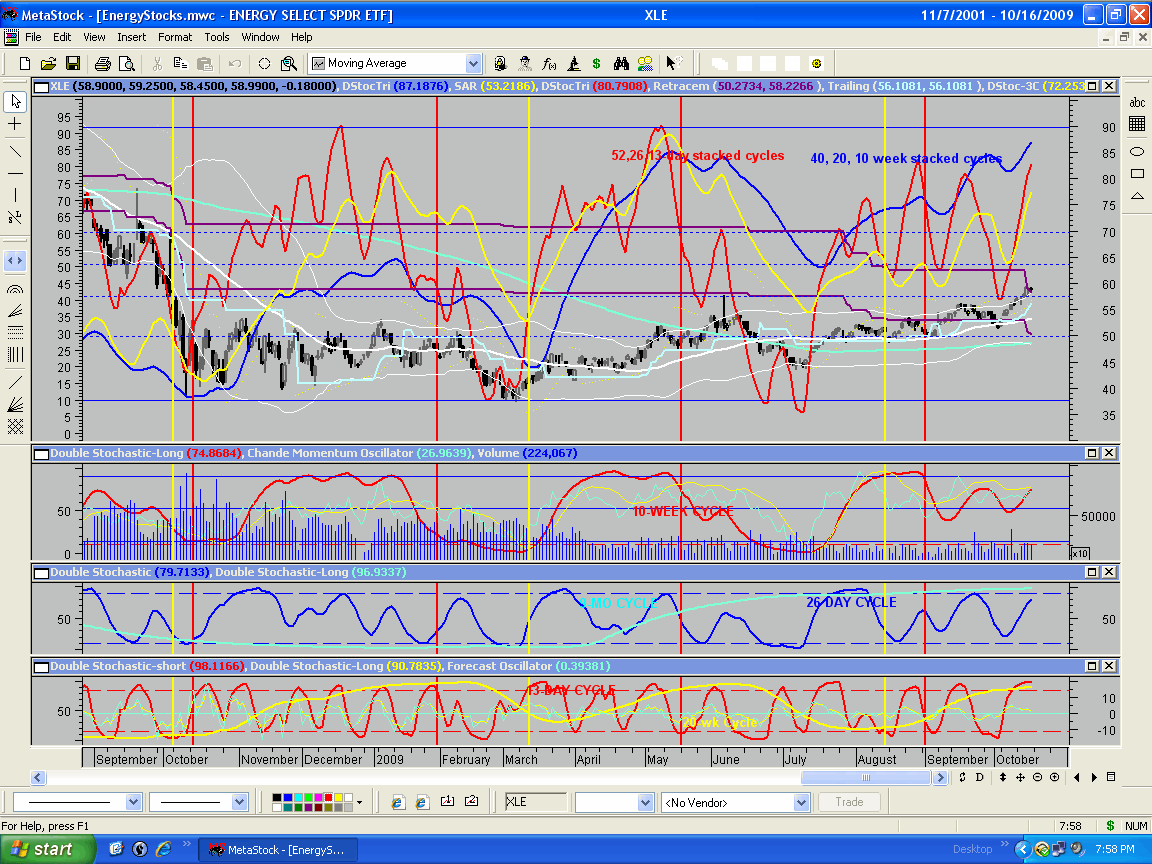
Energy stocks (http://www.geocities.com/petegersb/EnergySPDR.GIF)
were worse than average performers. Like oil,
the XLE pulled back to its 10-week moving average and turned the intermediate
composite downward. The XLE may have reached 13 and 26-day cycle bottoms on
Thursday, but the intermediate composite has now turned down. The intermediate
outlook no longer looks bright, but it’s worth remembering that a similar cycle
configuration last May allowed that rally to continue for a couple more months.
.