Flora & Fauna of District Mansehra:








Flora:
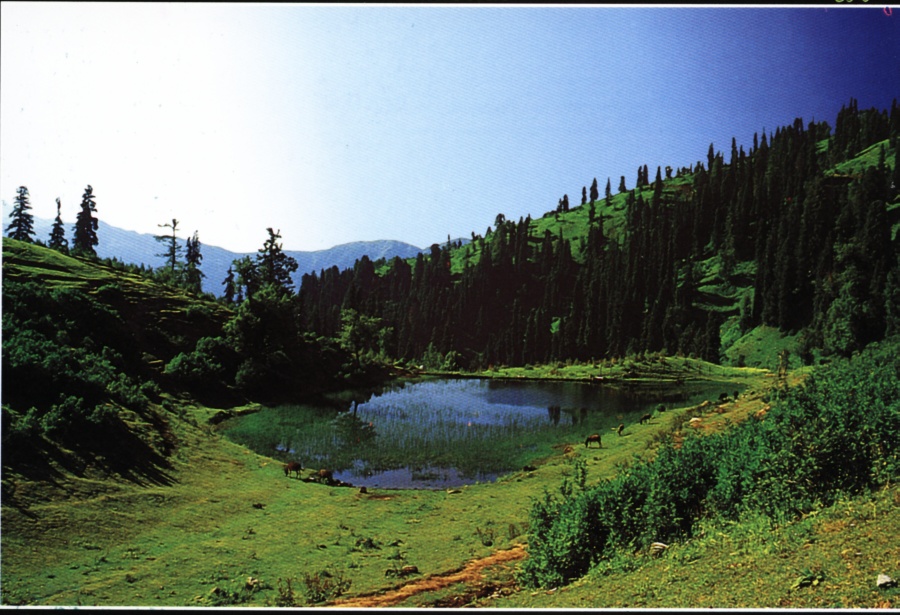
Mansehra is bestowed with a great treasure of Flora. It is regarded as the paradise for the botanist. Due to diversities in altitude, climate conditions and nature of soil. The flora of this district varies to some extent from one part to another. It is broadly divided into three major vegetation regions. Which are as under
1. Plains and lower hills (3000 feet to 6000 feet).
2. Forests traces (6000 feet to 9000 feet).
3. Alpine regions (9000 feet and above).
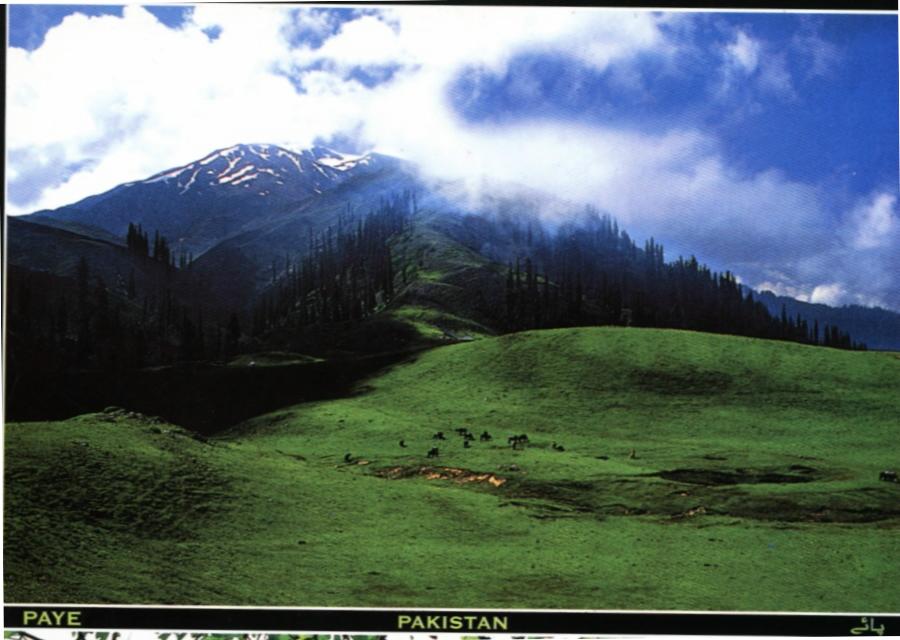
The division mainly depends upon altitude but all conditions for vegetation vary simultaneously. Each zone has its own characteristics flora but the overlapping is also found in various region. The pine (Cheer) and the Blue pine (Biar) are most common trees. While other principal trees are Mulberry (Tute) ,Olive (Kau), Wild Fig (Phag), Shisham (Tali), Wild Par (Batangi), Persion Lilac (Drek), Aldar (Sharol), Nettle tree (Batkarar), Pistacia (Kangar) and many species of Willow (Bins).
The Elm (Mannu), the spindle wood (Battal), the Oak (Rhin), the Bird cherry (Kala-Kat), the Hourse-Chestnut (Bankhor),the Maple (Tarkan) and Walnut (Akhrot), Ash (Sum), Yew (Barmi) and Himalayan Elm (Kain) are the characteristic trees of forest Flora region. There are several fine timber trees in this region, most valuable are Blue pine (Biar), Cedars or Deodar (Diar), Silver fir (Poludar or Yewar) and Spruce (Kachal or Achar).
Above these conifers there is a belt of pure silver Birch (Burj) in the Alpine forests. The Juniper (Chalai) are the other prominent tree species in this zone.
The herbs of this District are an interesting study .The Elder (Kanula), the Valerian (Mushk bala), the Cobra Plant (Surni), the strawberry (Mandakha), the Mullein (Gider tamako), the Buttercup (Kind Bhiri), the Dog-violet (Gul Nakhsa), the Bush-flex (Zara or Gullap), the Dock (Khatimbal), the Poeny (Mamakh), the Columbine (Piu-mar), the Marsh Marigold (Bapatra), the Sorrel (Kad kurla), the Wild Geranium, the Balsam (Bak-Siria or Bantal) are among the most conspicuous herbs. Besides these herbaceous plants a large number of weeds are also important for this study. The Hemp (Bhang), the Chicory (Hand), the Rogwort (Ulla), the Butter and Eggs (Marki), the White Clover (Shuttle), the butter-cup (Kindi Bhiri), the Sun-Spurge (Dodal), the Speedwell, Shepherd's pars, the Dandelion, the Bindweel, the Fumitory and wild Poppy and many others weeds grow there plentiful.
The Gentian, the Anemones, the Aconites, the Forget-me-not, the Iceland-poppy. Hazara lily, Blue and white Iris, the Violet, the Bush flax, Tulips and many other herbaceous flowers are very common in this district.
FAUNA:
Like the floral species ,the District exhibits a rich diversity of fauna. For the systematic study , the fauna is divided into many classes, some important are as under.
Mammalian is the major group of wild animals, most of mammals of the district are "Typical " which are subdivided into groups. Mongols, Hare, Rabbit, Porcupines and various types of rats are among the Rodents while Squirrels, Marmots and Yellow Martens are found in higher hills. The Lion and the Tiger are completely annihilating while among the carnivorous animals Leopard , Snow Leopard , Leopard Cat are most prominent but they are too at the verge of extinction, through man's persecution. Langs, Wild Cat, Civet, Grey Goral, Marchers and Himalayan Lynx are some other wild animals. They mostly live in thick coniferous forests of high altitude. wolf, Fox and jackal are found in upper forests as well as in sub hilly and plain areas. Monkeys, Langoors and bears are omnivorous mammal which are found at the height of 5,000 to 7,000 feet above MSL in the Cheer and Rhin forests. Some species of herbivorous mammals such as Musk Deer , Kakur and Ibex are present in the high forests.
Aves is the other important class of fauna. Common species of Sparrows, Crows, Swallow, Cuckoos, larks, Finishes and Wagtails are widely spread in the gardens, groves and cultivated fields. Teals, King-fisher are found in the waterbeds. Shriks, Wood-packers, bee-catchers are also seen occasionally.
One of the great lines of migration from India to Kashmir then to Northern Siberia and Europe, passes through this district. Milliards, Rooks, Tillya, jackdaw, Hooded crow, Russian Dove, Crane, Ducks and numerous other species of birds came here in both seasons. These most important Pheassants of the world kaleej, kuklas and Monaul Pheasants make their habitation in coniferous forests and upland valleys of this district. Hill partridge and gray partridge are found in naked and dry rocks of low hills. Snow partridge, Chough, tragopan, Cheer Pheasant, Parakeet and Magpie are some other birds of Alpine and Subalpine regions of Mansehra District.
The Kunhar and the Siran rivers are the best habitats of fresh water fauna. The fish of various types are in abundance. Two fish hatcheries, one at Shinu near Jaraid for Trout fish and other at Ichrian near Shinkiari for china crop and Gold fish, are established to supplement the fish breed. Mallah, Chukar, Conge and many other traditional varieties are commonly found.
Among the Reptiles, the Snakes and the Lizards of various types are common in the District while Frogs and Toads are prominent Amphibians. Some insects are also worth mentioning in this respect. Leech , Scorpions, Snails, Earthworms, Tapeworms and Fly are most common insects. Bees are kept on commercial scale as well as traditional domestic methods.
Copyright
or other proprietary statement goes here.
For problems or questions regarding this web contact
[email protected].