Mumbles Lighthouse
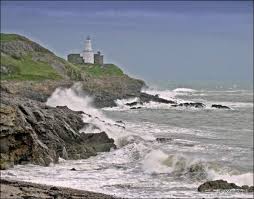
Mumbles Lighthouse, completed in 1794, is a lighthouse located in Mumbles, near Swansea. The structure, which sits on the outer of two islands off Mumbles Head, is clearly visible from any point along the five mile sweep of Swansea Bay. Along with the nearby lifeboat station, it is the most photographed landmark in the village. The tower has two tiers and initially two open coal fire lights were displayed. These open coal fire lights were difficult to maintain and were soon replaced by a single oil-powered light within a cast-iron lantern. In 1860, the oil-powered light was upgraded to a dioptric light and the Mumbles Battery, a fort that surrounds the tower, was built by the War Department. In 1905, an occulting mechanism, where the light was made to flash, was fitted. This was partially automated in 1934. By 1977, the cast-iron lantern had deteriorated beyond repair and was removed. A different lantern was added in 1987. In 1995, the main light was replaced and an array of solar panels and emergency monitoring equipment were added.
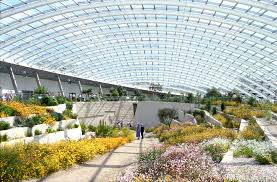
National Botanic Garden of Wales
Set in the beautiful Carmarthenshire countryside, the Garden is a fascinating blend of the modern and historic. Here you’ll find an inspiring range of themed gardens, the world’s largest single-span glasshouse, the British Bird of Prey Centre, a tropical Butterfly House, play areas and a national nature reserve, all set in a Regency landscape which provides the stage for a packed programme of events and courses throughout the year. Develop your horticultural skills and knowledge with the Garden’s Growing the Future project, with a variety of gardening and beekeeping-based courses on throughout the year.
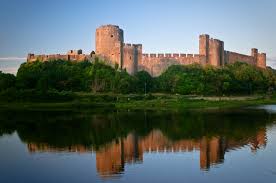
Cardigan Castle
The Lord Rhys (Rhys ap Gruffydd, 1132-1197) built the first stone castle at Cardigan and, to celebrate its completion in 1176, held a gathering of musicians and poets. This was the first National Eisteddfod, a tradition that continues to this day. The castle and the Georgian house within its grounds fell into disrepair until a £12m restoration project secured its future as a heritage attraction, restaurant, accommodation and events venue.
Dinefwr Castle
Dinefwr was the power-base of the Kingdom of Deheubarth, which ruled over southwest Wales for almost 300 years in the 10th to 12th centuries. It was the main seat of Hywel Dda (Hywel the Good) who first codified native Welsh law. The castle’s ruins sit in a wooded nature reserve on a bluff overlooking the River Tywi. Nearby, the ‘new’ castle, built in the 1600s, is run by the National Trust. Both are easily reached on a circular walk from Llandeilo.
Castell y Bere
Built by Llywelyn the Great in the 1220s, Castell y Bere was a remote outpost on Llywelyn’s southern frontier. It guarded his cattle range, protected the homeland of Gwynedd, and dominated the neighbouring lordship of Meirionydd. The castle was captured by the Normans in 1283 and abandoned; its ruins sit in a quietly beautiful valley in southern Snowdonia.
Coasteering
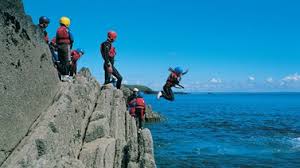
Coasteering is the adventure sport of the moment, a full on adrenalin activity guaranteed to get the blood flowing and the heart pumping. This must try activity is the fastest growing adventure sport in the United Kingdom with Wales being one of the prime locations for this exhilarating sport, so if you have to do just one thing with us it has to be Coasteering!