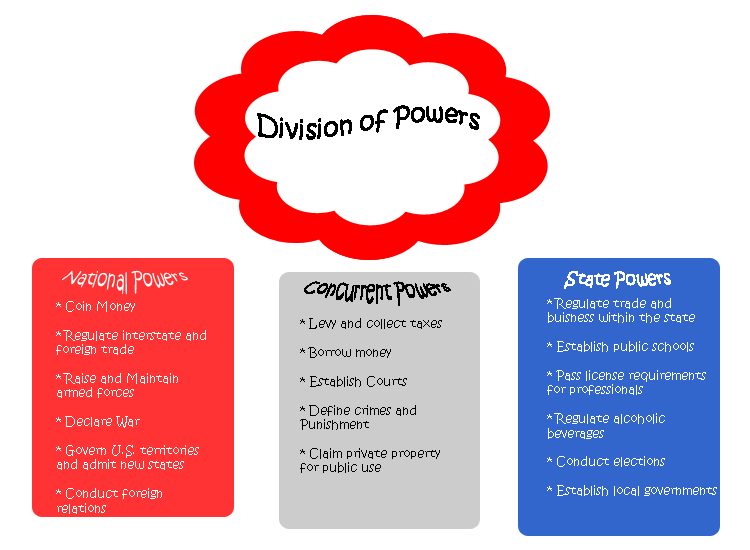
Federal Division of Powers- Federalism provides for a division of powers in the government of the U.S. The division of powers is between the National Government and the States. It does this by assingning certain powers to one and the others evenly. This division of powers was implied in the original Constitution and shown expressevly in the Bill of Rights. The division of the federal government has the following categories: Delegated, Expressed, Implied, and Inherent powers. the states have certain reserved powers which the National Government does not have as well as the National government has denied powers that the state has. The supremacy clause is the fact that whenever making treaties all states must respect each other.
Checks and Balances-
Elastic Clause- The necessary and proper clause is open to interpretation, and reasonable minds can disagree over what laws are "necessary and proper" for Congress to exercise.
Tenth Amendment-