



Home ~ Intro ~ Background ~ Withdrawal Symptoms ~ How To Minimize Withdrawal Symptoms ~ Analogy ~ Resources

|
|
|
|
|
|
|
|
|
|
|
|
|
|
|
|
|
|
|
|
|
|
|
|
||||||||||||||||||||
| Analogy | |||||||||||||||||||||
|
|||||||||||||||||||||
|
|
||||||||||||||||||||
| PROJECT ANALOGY Home ~ Intro ~ Background ~ Withdrawal Symptoms ~ How To Minimize Withdrawal Symptoms ~ Analogy ~ Resources |
|||||||||||||||||||||
|
|||||||||||||||||||||
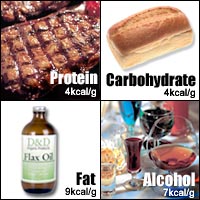
| The first analogy that came to mind is also the best one I could think up. When withdrawing from antidepressants, your body is basically doing the same thing that it would do if you had made some kind of change in your caloric intake. Imagine depression as a person who on a regular basis doesn't eat enough. | |||||||||||||||||||||
| Imagine this lack of caloric intake as a lack of serotonin in the brain. This person's body will adjust to the lack of calories so they don't feel hungry any more often than a person who takes in a normal amount but this person will be generally less energetic and weaker. The same goes for a person with a lack of serotonin; they will be depressed. Now, antidepressants increase the available amount of serotonin in the brain, so equate this to upping your caloric intake to a normal level. After a brief adjustment period, the person will start feeling more energetic and will probably become healthier. Now the body will become used to this newfound level of serotonin or calories. If you go to take away the serotonin or calories too suddenly, the person's body is going to backlash. In the case of food, the person will become much weaker, feel extremely hungry, and become lethargic (moreso than when they were originally on this low-calorie diet). Eventually their body will readjust and the symptoms will lessen. The same is true of antidepressants. If you pull the serotonin out of your brain (oversimplifying) too quickly, you're going to feel significantly worse symptoms than your original depression. Eventually, like with the food, your body will level back out, however, in the case of antidepressants this recovery period is much longer than a simple change in caloric intake. | |||||||||||||||||||||
|
|||||||||||||||||||||