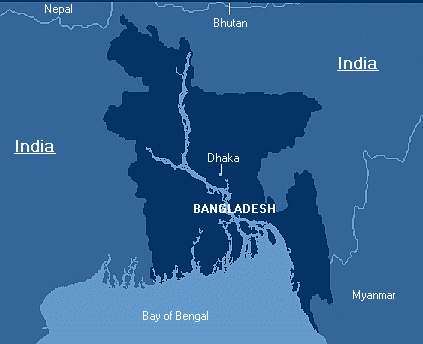
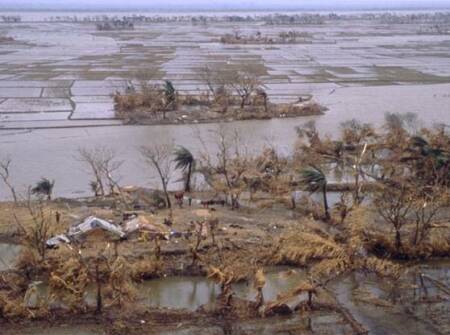
An increase in global warming will likely
result in a rise in sea levels that could threaten many coastal
areas around the world. Experts predict that parts of Bangladesh may
become completely submerged if sea levels rise.
Bangladesh
Why
it floods so much?
The floods are generally caused by heavy
monsoon rains and water from the mountains and river
catchment areas in neighbouring countries.
Flooding happens when monsoon
rains triggers flash floods in the north.
Further monsoon rains and water from melting
snow in the Himalayas are also responsible for flooding (since
92% of the water comes from catchment areas outside Bangladesh
totalling 1,5 million square km, or eleven times the size of the
country).
Most rivers are near or above
danger level which causes rapid erosion of river banks which poses a
serious threat to the vulnerable population in low lying areas or
sheltering on embankments.
Human reasons
Deforestation is
one of the causes of flood:
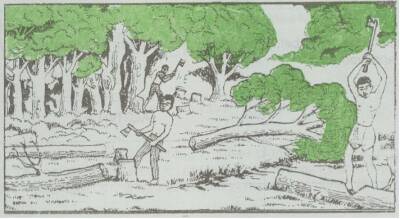
People in Nepal cut down trees
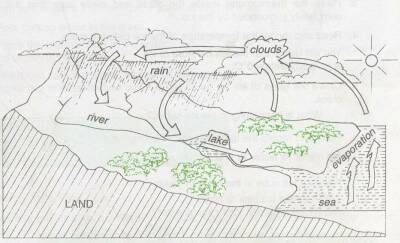
Widespread erosion is occurring
along the banks of the great rivers because of deforestation.
Effects
of Flood
1998
In Dhaka, the floodwaters covered up to two thirds
of the country for several days and the foul-smelling, stagnant
water full of floating plastic bags also reached the capital. Two
million people in Dhaka were taken out of their homes by the
floodwaters, polluted by overflowing sewage lines.
Heavy rains which were reinforced
by the onrush of waters from India, raised the water level of main
rivers running through the four basins of the Brahmaputra, the
Ganges and the Meghna.
Its
effect on Population
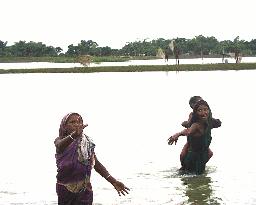
During flooding millions of people had to
wade through the dirty water every day and thousands camping in the
flood shelters were living in bad sanitary conditions. The floods affected at
least 30 million people and at least 10 million were in need of
assistance just to survive. The poorest were always living in worst
conditions. Over one-tenth of Bangladesh's 130 million people were affected by
widespread flooding which hit the country since the start of the
monsoon season.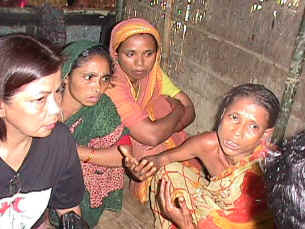
Its
effect on food and crops
Lack of food, firewood and fodder caused
serious suffering throughout the country. Many people were starving
of food for several days, hence they were undernourished. Because of
food shortage, young children were sent as domestic labour to rich
houses to work and obtain no money but two meals per day.
Shortage of safe drinking water was
common in most places as the flood damaged tube-wells and spoiled
other sources of water.
A large number of rural dwellings were
fully or to some extent damaged. Floodwaters also caused widespread
damage to the rice crop and -- worryingly for the later planting --
to seed beds. Prices of basic food items were increased, hitting the
poor particularly hard.
Three quarters of a million hectares of agricultural land were
submerged and most of the autumn rice crops were ruined and about
1.56 million hectares of crops were damaged.
Its
effect on Health
The effects of the flood on the health and
economic conditions of the population persisted long till the water
was driven away. There were epidemics of diarrhoea and fever,
affecting around 60,000 people. Hospitals were full of patients. The outbreak of Measles were also
reported. Because people were having to wade through stagnant water,
skin diseases such as scabies were spreading.
Standing water stagnating for more than
two months in most places spread malarial mosquitoes.
Many people were living in unhygienic
conditions in temporary shelters on embankments, rooftops and any
high ground available. Many of the poorer flood-affected people were
falling prey to diseases and, with road communications which were
severed in many parts of the country, caused the prices of food to
raises.
Its
effect on Housing
The extensive floods affected more than 10 per cent of the
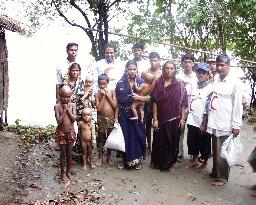
population of Bangladesh. Thousands were living in temporary shelter
on embankments and in other unsafe areas, exposed to snake bites,
polluted drinking water and unsanitary conditions.
Next phase:
12/June/01