The
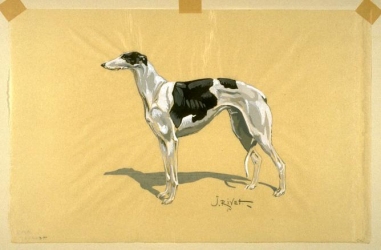
greyhound as a pet . . .
Food : They eat the same amount and type of food as other dogs of their size. As with any other pet dog, fresh water must always be available.
Exercise : Being sprinters, they need just two to three half hour walks per day. They quickly become exhausted and do not need excessive exercise. It should be borne in mind that during their racing career they spend a lot of time sleeping! In fact they can be quite lazy and prefer snoozing somewhere warm. Greyhounds have earned the nickname '40mph couch potato'!
Getting on with other pets : Greyhounds tend to live pairs whilst in kennels and generally adapt to living with other dogs very well. With regard to other pets, it is a case of careful introduction and common sense, possibly using a muzzle as a precaution. Greyhounds can and do live in peace and harmony with other animals including cats.
Getting on with children : Pets and babies must be kept apart or supervised by a responsible adult at all times. Care must be taken when there are young children in the home as you might have to protect the dog!
Muzzles : Greyhounds are not bad tempered or highly strung, but loving, affectionate, loyal and generally calm dogs that adapt to most environments. It is the National Greyhound Racing Club that insists trainers of racing greyhounds muzzle their dogs at all times in public, but what you do with your pet greyhound is a matter of common sense.
What equipment is required? : Possibly a muzzle to be used as a training aid, a coat to be used if the weather is inclement and a greyhound collar. No other specialist equipment is required.
If you rescue an ex-racer . . .
You can phone the Retired Greyhound Trust. Tel: 08704 440673.
Give them your greyhound's ear numbers to register your dog in your name.
The stadium your dog raced at will send you the ID book if you write or phone them.
For example: Great Yarmouth Stadium is tel: 01493 720343.