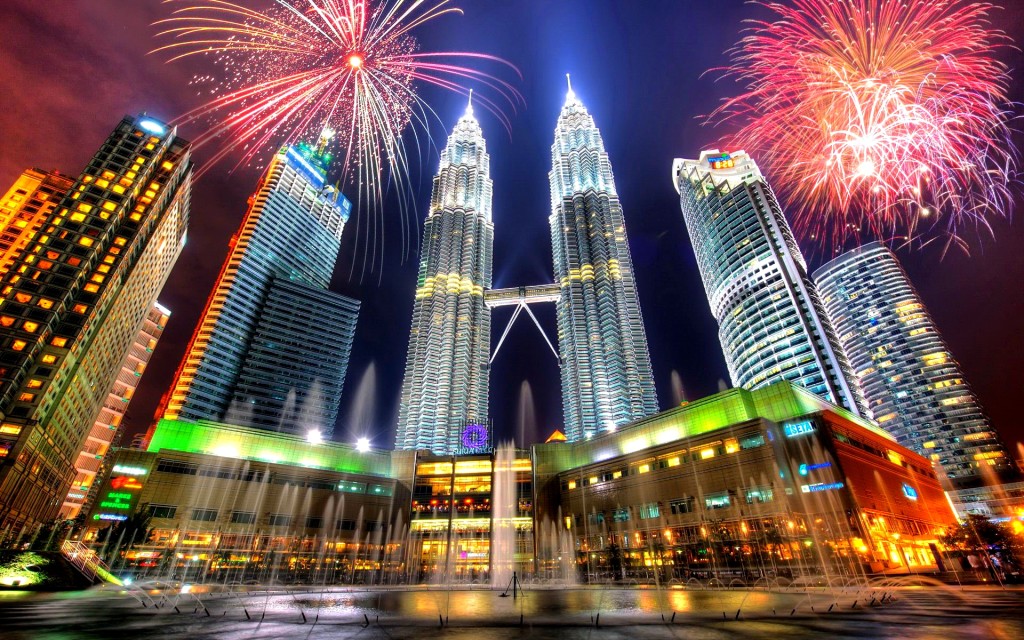
- MALAYSIA - TERENGGANU - PENANG
HISTORY : |
The earliest name of Penang “Ping-lang-yu” (Island of Betel nut, Areca or Pinang) can be found in the reproduced chart based on Zheng He's (or Cheng Ho) voyages in a printed work entitled Wubei Zhi (Treatise on Military Preparations) compiled by Mao Yuanji about 1621. [Ref: "The Chart of Zheng He Grand Voyages Maritimes" was being used during 1405-1433, maps and information were collected before each of Zheng’s voyages.] 16th-century Portuguese traders from Goa India sailing to the Far East in search of spieces found a small island where they replenished their water supplies. They called it Pulo Pinaom. In the 17th century, Penang’s location at the northern entry to the Straits of Malacca provided a sheltered harbour for Chinese, Indian, Arabian and European ships during the monsoon months; this, in turn, inevitably made it fertile hunting ground for pirates. One of the very first Englishmen to reach Penang was the merchant-navigator Sir James Lancaster who in 1588 served under Sir Francis Drake as commander of the Edward Bonadventure against the nemesis of the Spanish Armada. On 10 April 1591, commanding the same ship, he set sail from Plymouth for the East Indies, reaching Penang in June 1592, remaining on the island until September of the same year and pillaging every vessel he encountered. He returned to England in May 1594. Originally part of the Malay sultanate of Kedah, Penang was ceded to the British East India Company in 1786 by the Sultan of Kedah, Sultan Abdullah Mukarram Shah, in exchange for military protection from Siamese and Burmese armies who were threatening Kedah. On 11 August 1786, Captain Francis Light, known as the founder of Penang, hoisted the Union Jack thereby taking formal possession of Penang and renamed it Prince of Wales Island (name used until after 1867) in honour of the heir to the British throne. Penang was the first British possession in the Malay States and Southeast Asia |
FAMOUS FOOD :
 |
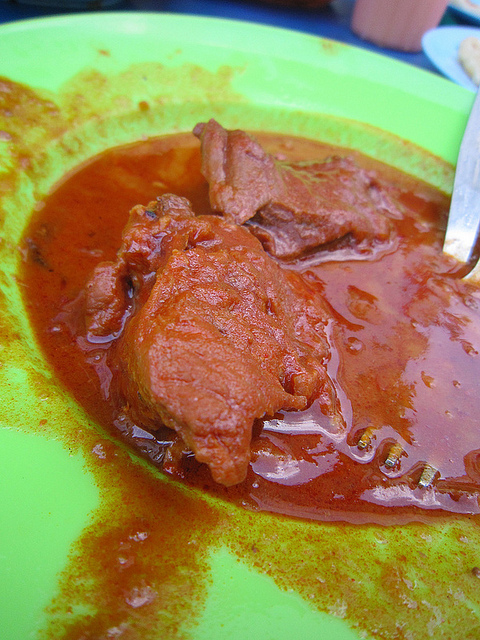
Its so tasty and delicious to eat. The curries are thick, richly spiced and aromatic. I also love how the meats are cooked till tender, especially the beef. Do order all three curries – chicken, beef and mutton – for comparison. And also because combining the three gravies makes the overall flavour so much better! its mixed of friuts and there is sauce in this food that delicious. |
FAVOURITE PLACED :


 |
Upper Penang Road is hemmed in on one side by The Garage nightclub and the City Bayview Hotel. It plays host to numerous à la mode upscale restaurants, karaoke joints and nightclubs including 32 Mansion and Slippery Senoritas. |
