
In the earky fall of 1918 a massive epidemic of swine influenza broke out among pigs in the US Midwest. Millions of pigs died in this epizootic. The second wave of the 1918 flu hit at the same time. There are accounts of farm families becoming ill, followed soon after by illness appearing in their livestock. The second time around, however, the 1918 flu was deadlier.
There is evidence from military records to sugeggest that the spring and fall influenza outbreaks were caused by the same virus. Troops that fell ill in the spring of 1918 were spared the effects of the flu. Those that fell ill in the fall of 1918 tended to be new recruits from rural areas that did not see the spring flu.
At any rate, the fall flu strain was a killer. It first erupted in the US in sailors docked at a pier in Boston. By early September hundreds were ill. Camp Devins in Massachusetts was affected soon thereafter. This was a major Army training camp with about 50000 troops stationed there at any given time. A Dr known only as Roy recorded the events in a letter to a friend on Sept 29. The flu was killing young, previously healthy Army recruits like flies. The morgues were full, bodies had to be shipped out on trains for lack of coffins, and the medical staff was taxed to its breaking point.
It is possible that the spring strain of 1918 mutated slightly as it rode out the summer in swine populations, later emerging as a killer that fall. This would explain the relative immunity afforded those who were ill in the first wave. Why it carried such a high mortality is not known. We can only hope that it doesn't come back.
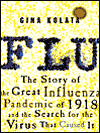
Flu Virus sequenca database from Los Alamos National Labs
Great flu site with lots of basic science and clinical flu information
Web site to accompany PBS special on the 1918 flu pandemic
Time Magazine article on the flu