

clicking the tab!

|
|
|
|
|
|
|
|
|
|
|
|
|
|
|
|
|
|
|
|
|
|
|
|
|
|
|
|
|
|
|
|
|
|
|
|
|
|
|
|
|
|
|
|
|
|||||||||||||||||||||||||||||||||||||||||||
| NEWSLETTER | |||||||||||||||||||||||||||||||||||||||||||
| Remember - The Yahoo Geocities ad can be closed by clicking the tab! |
|||||||||||||||||||||||||||||||||||||||||||
| SPRING / 2005 7TH EDITION | |||||||||||||||||||||||||||||||||||||||||||
|
|||||||||||||||||||||||||||||||||||||||||||
| The NEWSLETTER is available every quarter of the year. Print is available by request. | |||||||||||||||||||||||||||||||||||||||||||
|
|||||||||||||||||||||||||||||||||||||||||||
|
|||||||||||||||||||||||||||||||||||||||||||
| 1992 | |||||||||||||||||||||||||||||||||||||||||||
| 1953 | |||||||||||||||||||||||||||||||||||||||||||
| Special | |||||||||||||||||||||||||||||||||||||||||||
| The Loading Dock Concrete Bins | |||||||||||||||||||||||||||||||||||||||||||
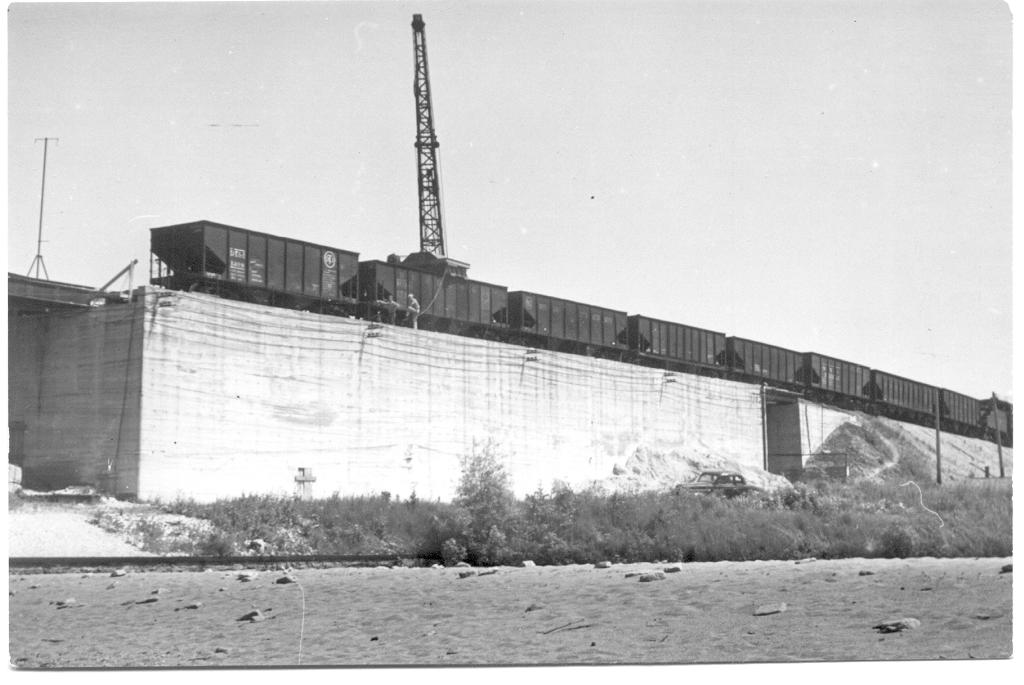
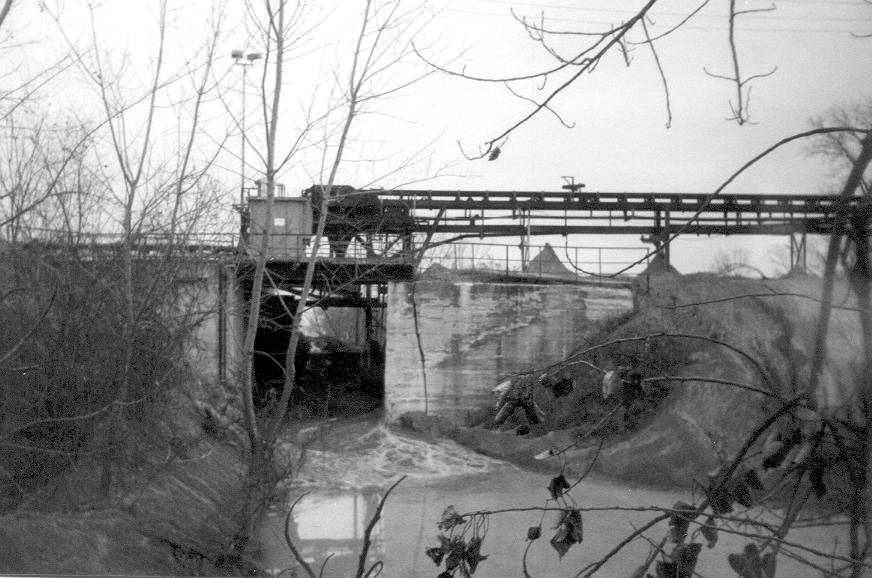
| Loading Dock - Mixing both new and old construction can be difficult at times. But in 1991 a part of Standard LaFarge's upgrade at the lake loading dock took on this project. The concept of the concrete bins was a temporary holding area for processed stone ready to be shipped out on the dock conveyor and then into the hold of a lake frieghter. Two standard guage railroad tracks were supported ontop of five large bins that were housed in a conrete square structure. A tunnel under the bins housed chutes to a conveyor belt that connected with the main gallery belt to the end of the loading dock. To supplement the loading process by using hopper cars, a metal superstructure that served as a overhead traveling rail for a device called a shaker. The shaker which was made by Robbins would be hoisted over the hopper car and then fitted ontop to vibrate the remaining stone out of the cars. The superstructure for the shake-out machine was removed in the early 1950's for truck transport to take place of rail cars. The chutes were then removed to expose the open bins and make it wide enough so that trucks could dump the load of stone directly into the selected bin. The bins were then modified again in 1964 by the use of conveyor belt from the new processing plant and then on a tripper belt that would in turn dump the selected stone directly into each bin, or bypass the bins directly for ship load-out. The final modification was in 1991 when Standard LaFarge built the new loading dock superstructure. The bins were then completly abandoned and filled in with screenings. They now serve as a foundation and support for the new loading dock. | |||||||||||||||||||||||||||||||||||||||||||
|
|||||||||||||||||||||||||||||||||||||||||||
| New Information | |||||||||||||||||||||||||||||||||||||||||||
| Crusher "C" Why not "E" or "F" | |||||||||||||||||||||||||||||||||||||||||||
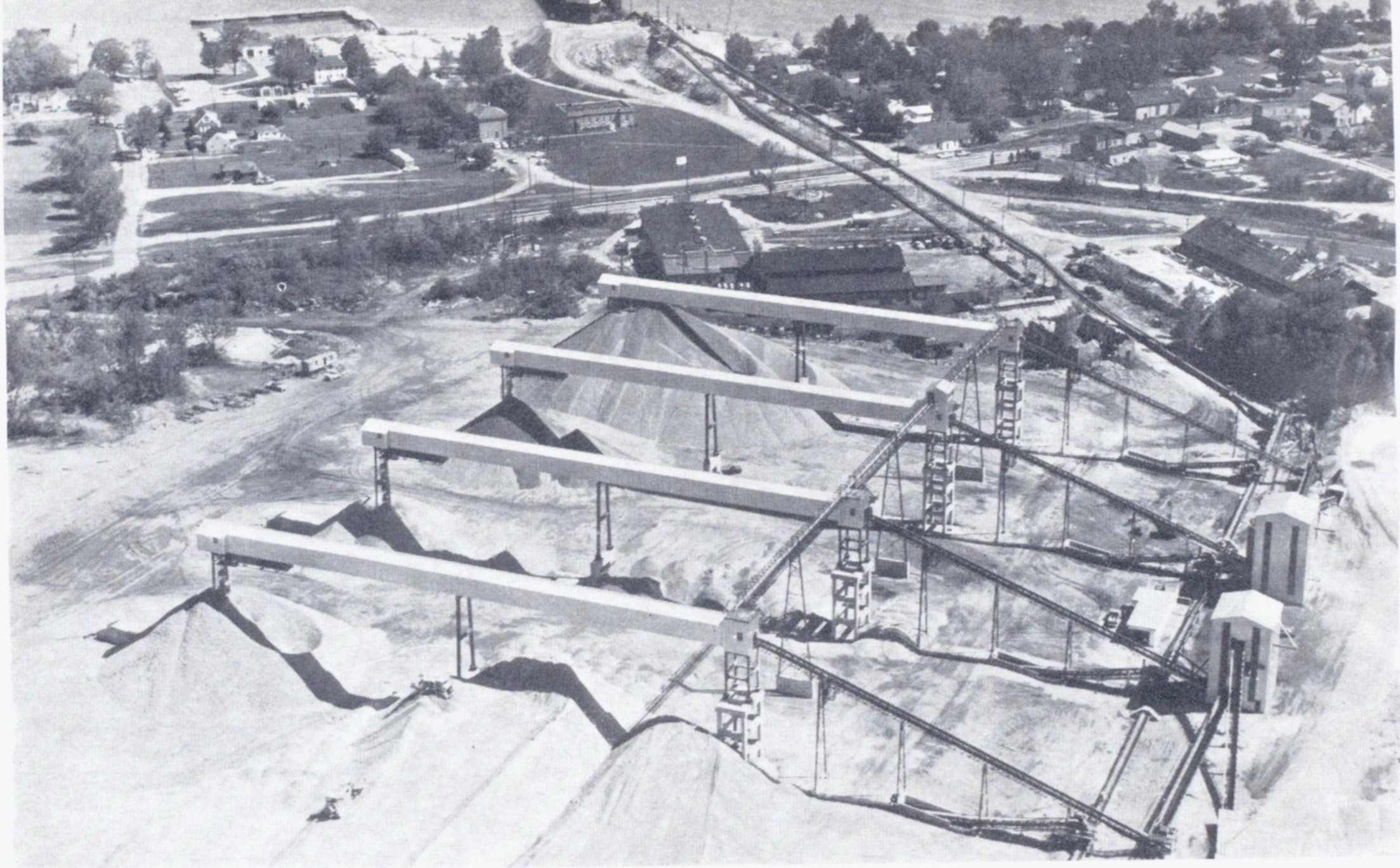
| Central Plant - The first major upgrade since Crusher "D" was built in 1922 was between 1964 and 1967 under Standard Slag. The upgrade added a new crushing, screening, and processing plant called Plant "C" or Crusher "C". But why is this? This seems a little out of historical naming for crushing plants. First we had Crusher "A", then "B" then the first "C" which was near Crusher "B" south of Lakeside. Then came the the worlds largest being Crusher "D". But the question is why was this major upgrade for Standard Slag called Plant "C" or Crusher "C" and not "E"? Well that answer is now found. The plant designation was dubbed "C" after the Siebert and Associates drawings on the plant before construction named the first battery of primary conveyors "C" as in conveyor C-4, C-3 , C-5. Now why Standard Slag officials carried this name of "C" is somthing nobody can answer as of yet. | |||||||||||||||||||||||||||||||||||||||||||
|
|||||||||||||||||||||||||||||||||||||||||||
| Update | |||||||||||||||||||||||||||||||||||||||||||
| Old Hual Roads | |||||||||||||||||||||||||||||||||||||||||||
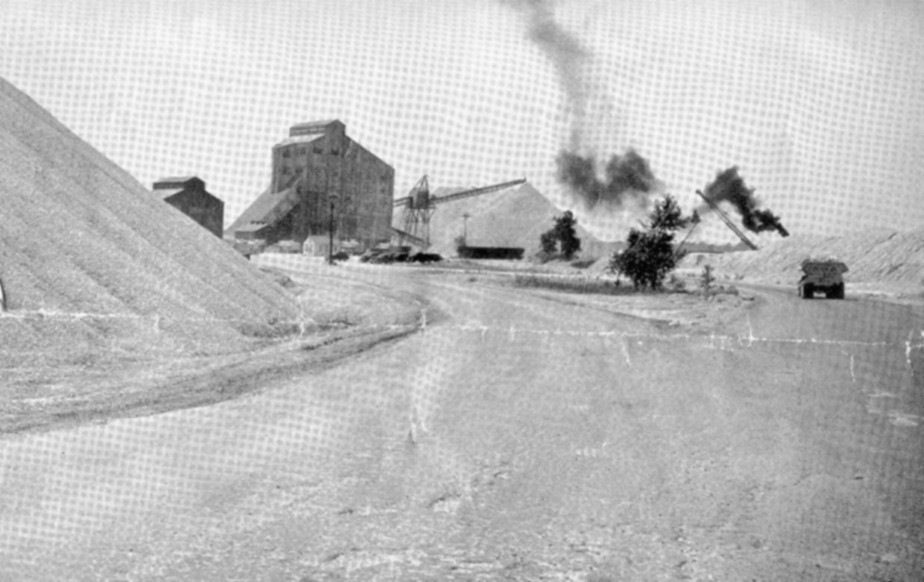
| LaFarge Quarry West - Once the arteries for hauling limestone to Crusher "D", the old haul roads of the KIl&T days are fading away. Today there is only 2 major haul roads that exist that at one time supported the heavy wieght of Autocar trucks from the working face to the crusher. Most of them are now destroyed by nature or current quarry operations. These once oil soaked roads are now going to be mapped and documented before they are gone. | |||||||||||||||||||||||||||||||||||||||||||
| Archive | |||||||||||||||||||||||||||||||||||||||||||
| Print is only available for the archive due to limited space! | |||||||||||||||||||||||||||||||||||||||||||
| 1st Edition Winter / 2000 | 2nd Edition Fall / 2002 | ||||||||||||||||||||||||||||||||||||||||||
| 3rd Edition Spring / 2003 | 4th Edition Spring / 2004 | 5th Edition Fall / 2004 | 6th Edition Winter / 2004 | ||||||||||||||||||||||||||||||||||||||||