Titanium Oxide Surfaces
 |
 |
 |
|
|
Titanium, its oxide and alloys are used in many high tech applications. These include;
|
 |
 |
|
Structural Characteristics
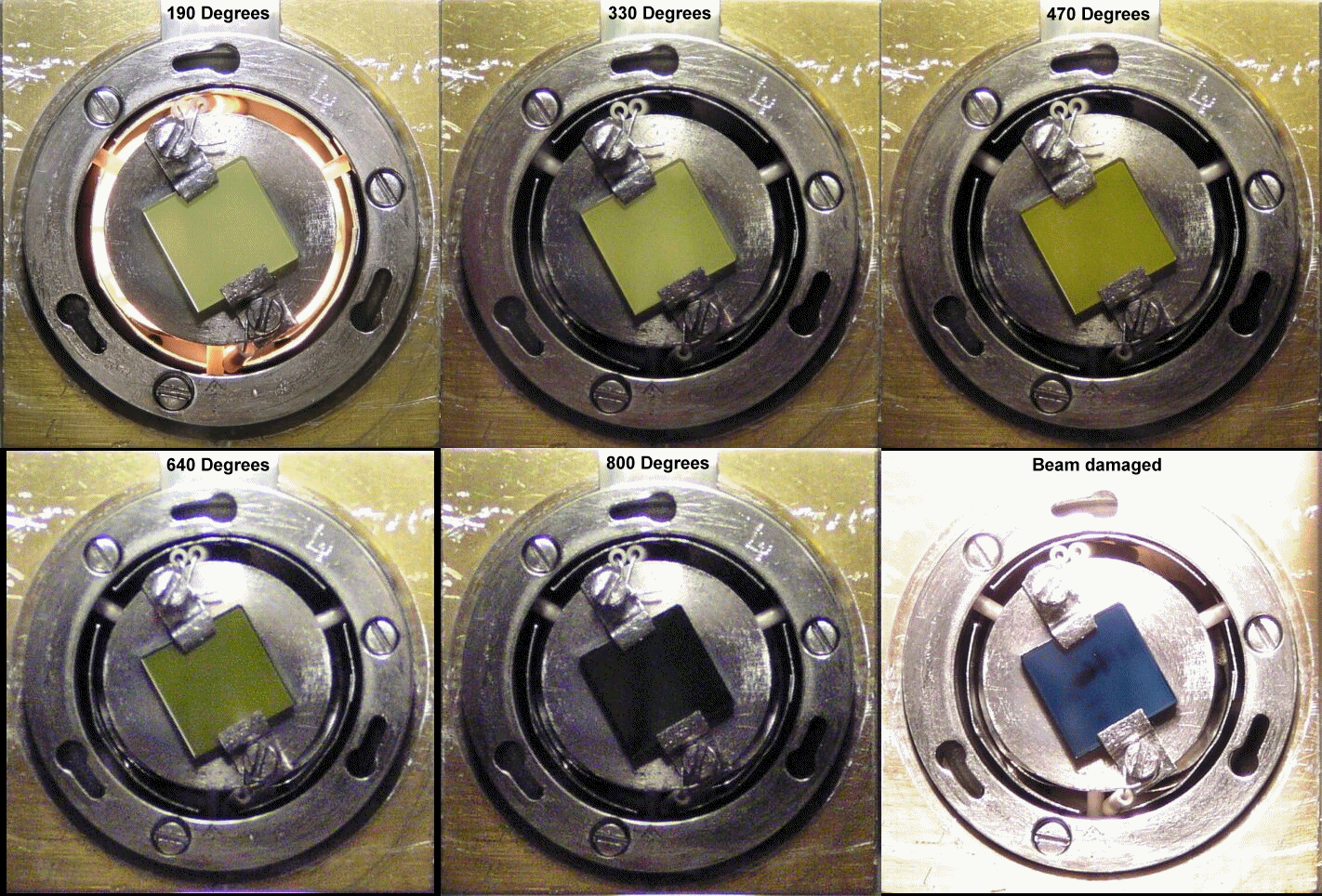
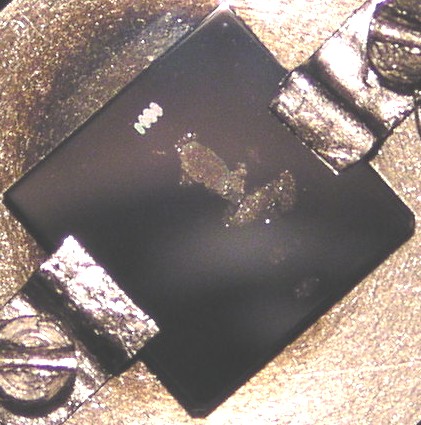
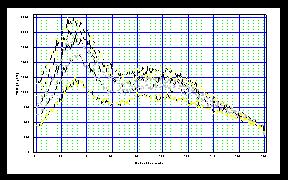
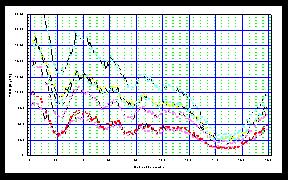
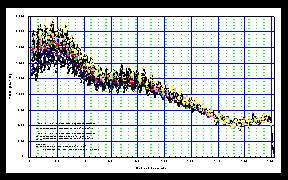
The research on TiO2 was done at Warwick University using the MEIS facility at Daresbury, UK. Our initial investigations were focussed on what damage the medium energy ion beam was doing to the TiO2 sample. The picture on the left shows the obvious signs of beam damage, however this was caused after long exposure to He ions. We investigated both He ions and protons as a function of time, which are shown below. Even small amounts of He ions seem to damage the surface and the bulk of the sample whereas the proton beam works well up to 40microCoulombs with no bulk damage observed and only minimal surface changes observed. With this knowledge, it seem feasible that measurement could be done on TiO2 with MEIS without distorting the measurements. Some measurements are shown below. |
 |
Surface |
Bulk |
 |
 |
He beam with dose (8mC/scan). Total of 40mC dose
|
|
 |
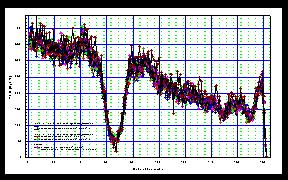 |
Proton beam with dose (6mC/scan). Total of 72mC dose
|
|
Surface Relaxation of TiO2
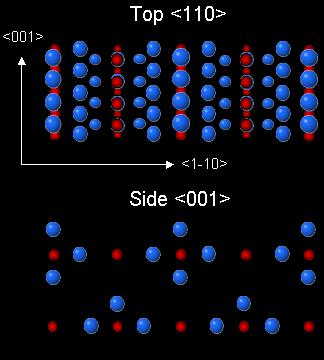
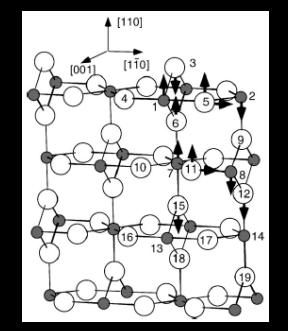
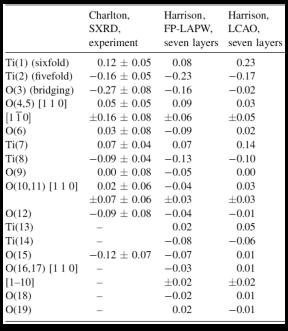
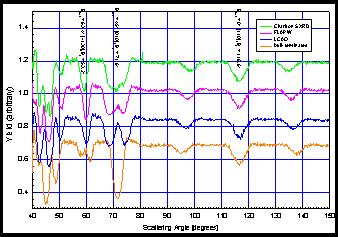
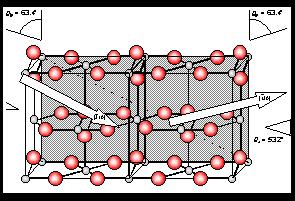
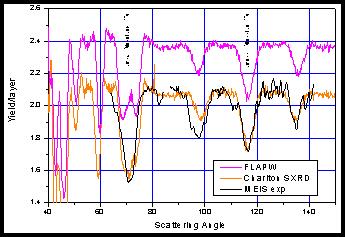
Various groups have investigated the surface atoms positions of the TiO2(110) surface. A list is shown on the right with corresponding atoms positions for the Charlton SXRD results. To compare with MEIS results some simulations were done using VEGAS of the different geometry's put forth. The simulations shown remarkable differences in the blocking spectra for a 2 layer geometry configuration and are shown below. |
 |
 |
U. Diebold, Surface Science Reports 48, (2003) 53-229
|
||
 |
 |
 |
VEGAS Simulations |
2 layer geometry |
MEIS results vs SIMS |