
What is a Nepali ?
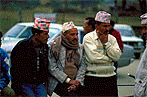
| Nepal's 35 tribes weave a colourful ethenic tapestry. Despite their different customs and origins, all these people have long lived together peaceably and have created a rich national culture. Here are some of the main groups: The Newaras, of mixed Cauasian and Mongol-oid stock, are considered to be among the earliest inhabitants of Central Nepal. |
|
|
In medieval times, they created a highly developed urban civilization in the Kathmandu Valley, where they
still predominate. Their communities of two-storey a brick houses set close together are easily recognizeable. Skilled Newar craftsmen can be credited with much of Nepal art and achitecture.
The Tharus of the low lands, a large tribe of farmers and cattlebreeders, may have been the first to migrate to Nepal from India. The Tamangs of the Mahabharat hill farms are Mongoloid in apperance and wear consipicous nose and ear jewellery. In the central mountains beyond Kathmandu live the Gurungs and Magars who, with the Rai and Limbu farther to the east, fill the rank of Gurkha mercenaries. They are all of Mongoloid origin and tend to be Buddhist or animists. The Thakali who live along the root to Tibet in the Kali Gandaki valley are famed as traders and businessmen. In the high mountains, the Sherpas, of Tibetan origin, have earned the name of "Tigers of the Snows" for their role in climbibing expeditions. Other mountain people are collectively called Bhotia and include Dolpo, Lopa and Manang. Not tribes but close-knit group of Indo-Caucasian origin arising from the Hindu caste system, are the Brahmins and Chhetris. Brahmnins are hereditary priest, while Chhetris constitute the warrior class who have always been the administ-rators. These groups are found all over Nepal and in all sorts of occupations, rich and poor. The Royal family are Chhetris but so are many subsistence farmers in the mountains. |