| The Heroic Century: Masterpieces from the Museum of Modern Art, NYC |
| General Timeline of �Modern Art�: Impressionism/Post-Impressionism: 1860 � 1900s Cubism, Symbolism, Fauvism, Dada: 1905 � 1940s Expressionism Abstract Expressionism, Color Field: 1940 � 1960s Minimalism Post-Modernism: Pop Art, Sensation: 1960s - Current Minimalism |
 |
| Modernism: - Valued Unity (in material, ideas, styles) - Looked for universal frameworks of knowledge - Promised utopia (communism, via scientific knowledge) � order - Emphasize the individual - Objective truth (thru science) - Academia � search for truth in facts |
 |
 |
| Back |
| Forward |
| Presentation |
| Post-Modernism: - Value Diversity - Question all systems - Prize disorder (love technology � not scientific knowledge) - Emphasize the culture - Truth is relative - Academia � Tear apart truth, challenge |
 |
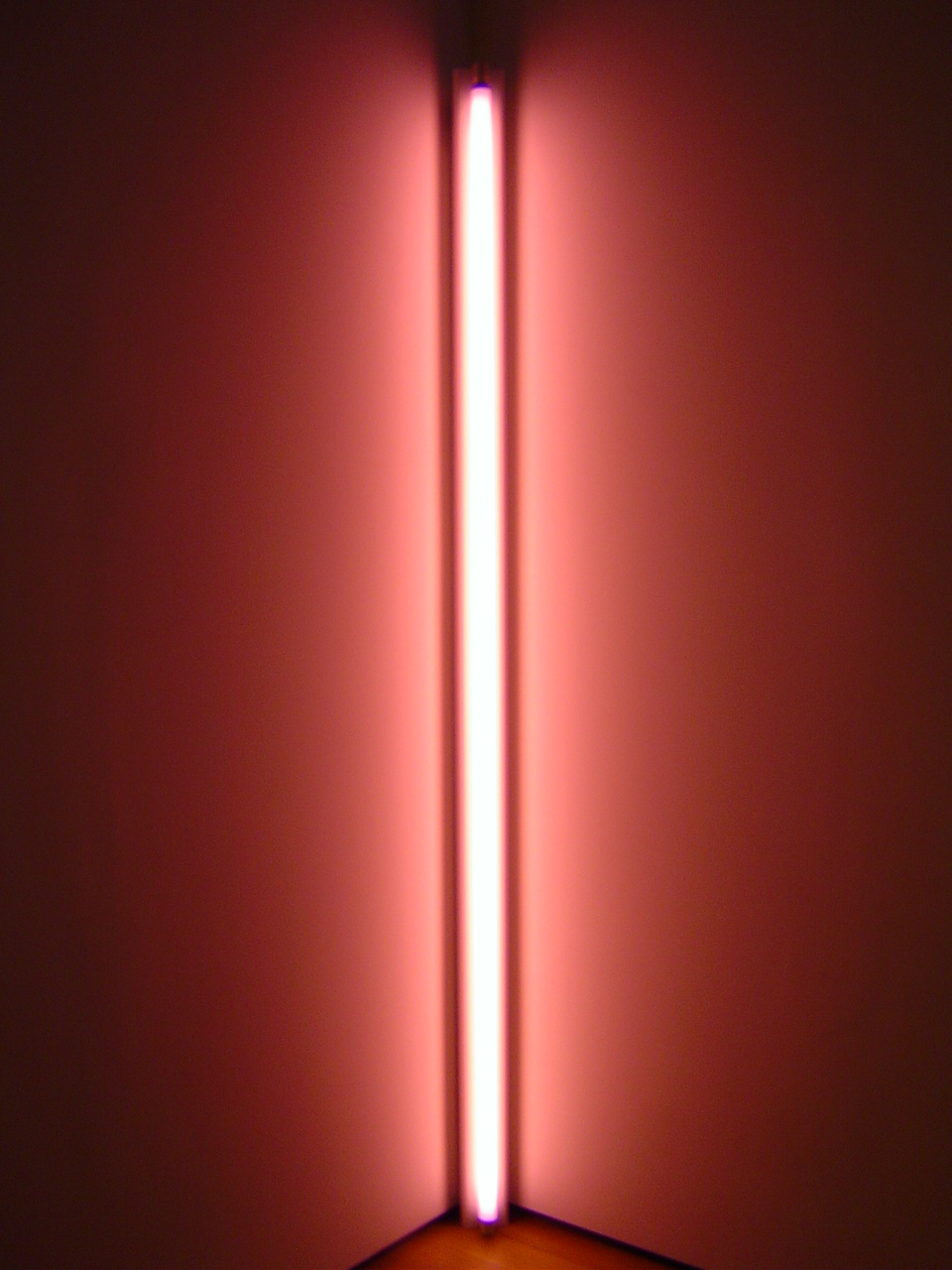 |
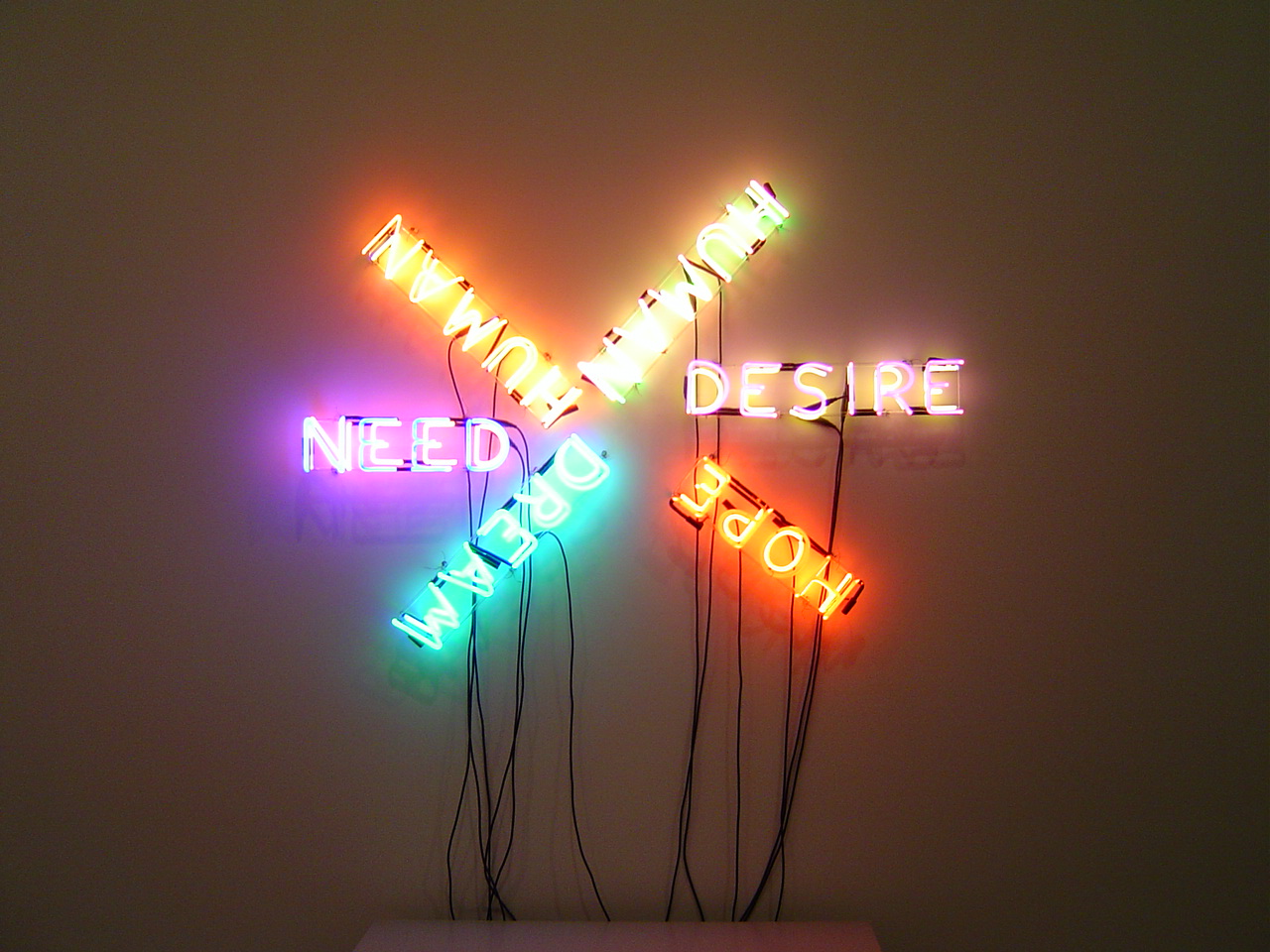
| Minimalism - Style of art in which objects are stripped down to their elemental, geometric form, and presented in an impersonal manner - Abstract form of art developed as a reaction against the subjective elements of Abstract Expressionism - Frequently takes the form of installations or sculpture, for example with Donald Judd, Dan Flavin, Carl Andre, and Sol LeWitt. - However, there are also a number of minimalist painters, including Ellsworth Kelly, and Frank Stella - Deliberately suppress any traces of human expression in favor of emphasizing material and structure - Highly-individualized styles - Use of color (in these works) was an attempt to invoke a physical presence although the industrial elements are emphasized instead of personal content - What has happened to the individual in this work? - It is said that the artist was trying to create a sense of spirituality - How is that sense achieved here? - Flavin (work featured on the left) was greatly influenced by Rothko and Pollock - How do you see their influence in his work? - Flavin is deliberate here (work on the left) � what is his meaning? |
| Post-Modernism expressed through Minimalism |