![]() |
|||||||||||||||||||||||||||||||||||||||
![]() |
|||||||||||||||||||||||||||||||||||||||
![]() |
|||||||||||||||||||||||||||||||||||||||
![]() |
|||||||||||||||||||||||||||||||||||||||
![]() |
|||||||||||||||||||||||||||||||||||||||
![]() |
|||||||||||||||||||||||||||||||||||||||
![]() |
|||||||||||||||||||||||||||||||||||||||
![]() |
|||||||||||||||||||||||||||||||||||||||
![]() |
|||||||||||||||||||||||||||||||||||||||
![]() |
|||||||||||||||||||||||||||||||||||||||
![]() |
![]() |
||||||||||||||||||||||||||||||||||||||
![]() |
|||||||||||||||||||||||||||||||||||||||
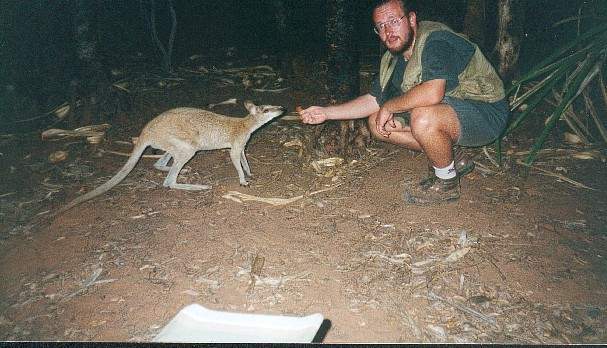
| The story behind de word...KANGAROO The first announcement about this unique Australian pouched animal comes from the notes of Pelsart, captain of a big Dutch ship, the Batavia, that was shipwrecked near the westcoast of Australia in 1692. He wrote about a sort of cat with very short forepaws and which were running on their long hindlegs. 150 years later the animal got his present name. When the great English navigator, captain James Cook, in 1770, was staying on the Australian eastcoast for 2 months to study the fauna and flora, he noticed a sort of huntingdog that could jump like a hare. When he asked the name of the animal to an Aboriginal, de man answered in his own tongue "kan-ga-roo", which meant "I do not know". Truth or legende, but since that day that animal was called kangaroo. |
|||||||||||||||||||||||||||||||||||||||
| Text uit DE GEZONGEN AARDE van BRUCE CHATWIN |

|||||||||||||||||||||||||||||||||||||||
| MAP | |||||||||||||||||||||||||||||||||||||||
| Friends | |||||||||||||||||||||||||||||||||||||||
| THE WAYWARDBUS | |||||||||||||||||||||||||||||||||||||||
| fotogallery 2002 | |||||||||||||||||||||||||||||||||||||||
![]() |
|||||||||||||||||||||||||||||||||||||||