 |
 |
Rococo Style
|
|
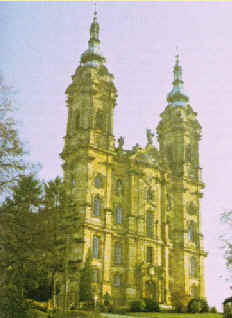
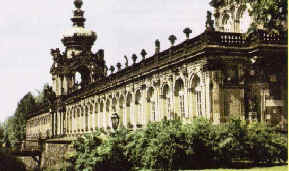
The style received its name in the Nineteenth Century from French "emigres", who used the word to disignate in whimsical fashion the old shell work style. It's not so much a real style as a new kind of decoration using arbitrary ornamentation after fashion of an unregulated, enervated Baroque , while also influencing the arrangement of space, the construction of the facades, the portals, the forms of the doors and windows. Rococo differs from solid and heavy Baroque and it's basis is a real lightness. It is a style of the aristocracy. Rococo abounds in whimsical decoration, curving lines and volutes (scrolls) as if a wig of a notable lady or her cavalier. Born in France style spread over Europe acquiring (gaining) a more refined and complicated look. Instead of bright colors and brisk effects it's using soft tones and tints. Straight lines transfer into curving ones breaking by arabesques. The horizontal lines are almost completely superseded by curves and interruptions, the vertical varied at least by knots; everywhere shell like curves appear to a cusp, the fancy received all the greater incentive to activity, and the senses were the more keenly requisitioned. Using an ornament in the form of shell, so called " rocaille", that actually play its role in the future of naming this style too. It reveals a taste for what is clear, elegant and gallant. Very closely related to nature as it derives from natural forms: sea shells and rocl, worls. The forms were often round, oval or poligonal. It was the style of fluidity - waves, spray, and foam.