

|
|
|
|
|||||
|
|
|
|
|
|
|
|
|
|
|
|
|
|
|
|
|
|
Being able to perform music with rhythmical accuracy involves being able to reproduce rhythmic patterns in not only the correct sequence, but according to a pre-determined tempo. The rhythmical material may be copied from a heard model, from some kind of 2-dimensional notation, or internally generated. Output may be vocal or kinaesthetic - ie on some kind of instrument. A secondary skill for musicians is the ability to notate a heard rhythmic sequence, a skill that involves not only the ability to memorize the pattern, but to subject it to conscious sequential analysis in order to transcribe it into a different dimensional domain.The following tables illustrate the various ways in which rhythmical information can be processed:
| INPUT | OUTPUT | ||||
|
|
|
|
|
|
|
|
non-word syllables |
symbols musical notation |
|
non-word |
feet |
symbols musical notation |
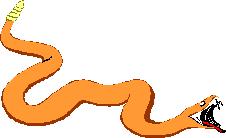
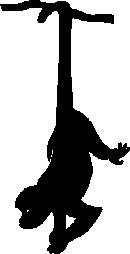
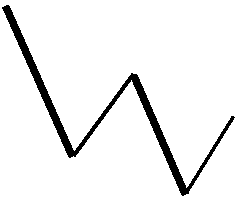
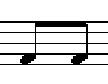
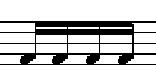
This table shows some common rhythmic units, and methods of notation for use with children:
|
|
|||
| Words |
|
|
|
| Non-word syllables |
|
|
|
| Sound |
 |
|
|
| Icons |
 |
 |
 |
| Symbols |
 |
 |
 |
| Musical notation |
 |
 |
 |
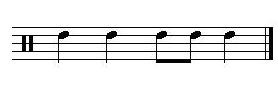
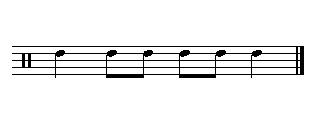
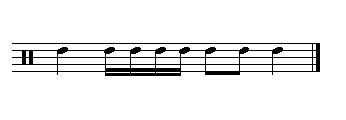
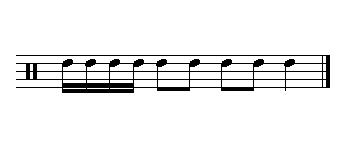
And the following four tables show a series of rhythmic sequences that might be used in training children both rhythmical and metrical accuracy and in notational skills:
|
|
|
| Words |
|
| Non-word syllables |
|
| Sound |
|
| Icons |
|
| Symbols |
|
| Musical notation |
 |
|
|
|
| Words |
|
| Non-word syllables |
|
| Sound |
|
| Icons |
|
| Symbols |
|
| Musical notation |
 |
|
|
|
| Words |
|
| Non-word syllables |
|
| Sound |
|
| Icons |
|
| Symbols |
|
| Musical notation |
 |
|
|
|
| Words |
|
| Non-word syllables |
|
| Sound |
|
| Icons |
|
| Symbols |
|
| Musical notation |
 |
