 |
| The Adventures Of Huckleberry Finn |
| Mark Twain publishes A Tramp Abroad, which describes a walking trip through the Black Forest of Germany and the Swiss Alps. |
|
| Czar Alexander II is assassinated by a bomb in St. Petersburg, Russia, in a terrorist bomb attack carried out by radical nihilists. His son, Alexander III, succeeds him, and makes Russian Jews the scapegoat for his father's murder. |
 |
 |
| A Triple Alliance is signed between Germany, Austria, and Italy, binding each to come to the other's aid if any should be attacked by France. The alliance is the basis for European power plays through World War I. |
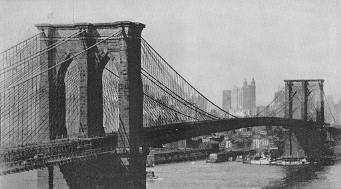
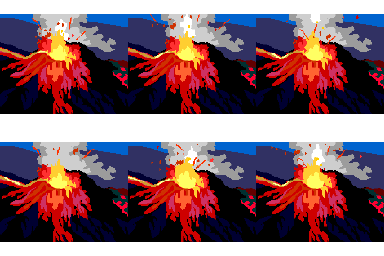
| The Brooklyn Bridge, the world's largest suspension bridge of the time, opens for use.It was designed by John Roebling, who died while working on the project. His son, Washington Roebling, saw the bridge through to completion. American railroads adopt standard time zones, and the Orient Express, Europe's first transcontinental rail line, makes its first journey between Paris and Constantinople. Life on the Mississippi is published by Twain. The story combines an autobiographical account of his experiences as a river pilot with a visit to the Mississippi nearly two decades after he left it. Volcano Krakatoa explodes in Indonesia. It is the largest volcanic explosion since 1470 B.C. and it creates a wave of fiery ash and lava that kills more than 36,000 people, completely wiping out 163 Indonesian villages. |
 |
 |
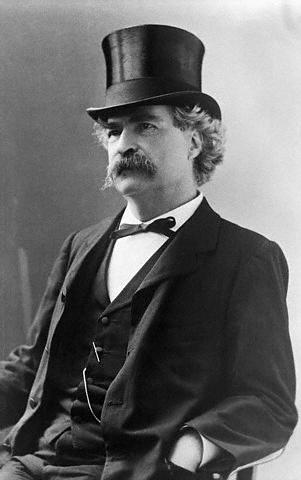
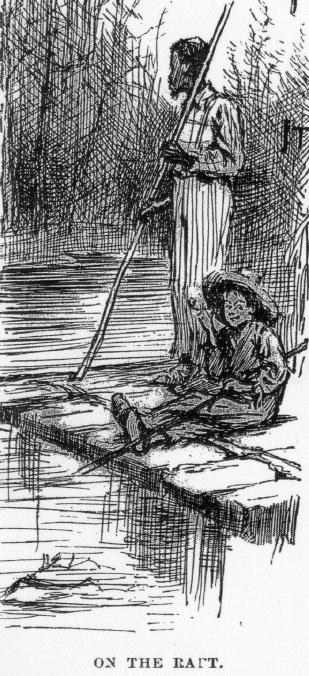
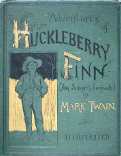
| Mark Twain published his realist masterpiece, The Adventures of Huckleberry Finn, which was inspired by a young boy from Hannibal, Missouri, Tom Blankenship. Twain's vernacular speech in the novel revolutionized the language of fiction and Huckleberry Finn and Tom Sawyer became two of the most famous and beloved fictional characters in literature. Mark Twain describes his novel as "A book of mine where a sound heart and a deformed conscience come into collision and conscience suffers defeat. In Huckleberry Finn I have drawn Tom Blankenship exactly as he was. He was ignorant, unwashed, insufficiently fed; but he had as good a heart as ever any boy had. His liberties were totally unrestricted. He was the only really independent person--boy or man--in the community, and by consequence he was tranquilly and continuously happy and envied by the rest of us." |
| I was a trembling, because I'd got to decide, forever, betwixt two things, and I knowed it. I studied a minute, sort of holding my breath, and then I says to myself: "All right, then, I'll go to hell." Excerpt from The Adventures of Huckleberry Finn |
 |
 |
 |
| 1880 |
| 1881 |
| 1882 |
| 1883 |
| 1884 |
 |
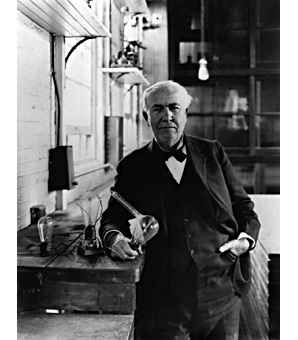
| Inventor Thomas Edison turns on the lights in financier J.P. Morgan's offices, inaugurating commercially supplied electrical power in New York City. The Chinese Exclusion Act, which bars Chinese laborers from coming to the United States, goes into effect. |
| Twain publishes The Prince and the Pauper, a children's book that focuses on switched identities in Tudor England. |
| John Davison Rockefeller and his partners formed the first corporate trust, Standard Oil Trust, to merge many oil businesses throughout the United States into a single company. |
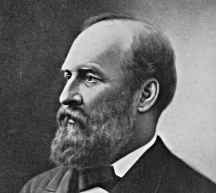
| James Garfield was inaugurated as president of the United States of America on March 4, 1881, but on July 2, 1881, he was assassinated by Charles Guiteau. His vice president, Chester Arthur succeeded him as president. |
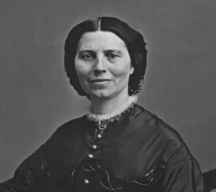
| Clara Barton founds the American Association of the Red Cross. |
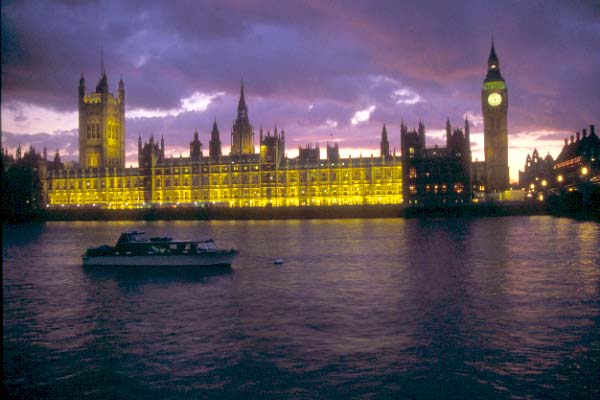
| Parliament passes Britain's first Employers' Liability Act, mandating compensation for injured workers. De Beers Mining Corp. is founded by Cecil Rhodes and Albert Beit, both 27 years old. Rhodes will eventually acquire a near-total monopoly on the South African diamond industry. |