 |
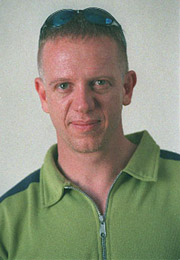
| I did not know Johannes Kerkorrel well at all. On a few occasions, he mispronounced my name. But I know enough to know that he deserves tribute, and much more of it than has been recognised on some of the sleazy chatgroups around town. Kerkorrel played an incredibly important role in my youth and those of many others of similar inclination. Isolated, ostracised and miserable in christian national hallways, we found in Kerkorrel & kie proof that we were not alone, that there was some glimmer of hope for change, and even of actually having fun. His satire was so spot-on. Wat �n vriend het ons in PW getting people to confront and ridicule the fear of god that the omnipotent crocodile instilled in them. Almal moet gerook raak bringing a 60�s Bob Dylan type of just-because-we�re-revolting-against-you-doesn�t-mean-we-can�t-have-fun attitude to the fore. Ons ry �n BMW tackling class snobbery inside the Afrikaans community, Sit Dit Af bemoaning the blatant and tiring media propaganda of the time, and even the seemingly innocent Ry awakening a general urge for freedom in the border-cases. And that was only the beginning. With utmost skill he brought African folklore to the Afrikaans language with Halala Afrika. There was the beautiful bay of Mozambique. And with equal ability he re-introduced the disillusioned to the magic of traditional Afrikaans folk when he sang Al l� die berge nog so blou. Kerkorrel mastered the piano, along with many genres; he was not too vain to pay tribute to his heroes by doing his own interpretations, and at the same time made an immensely powerful original contribution. So, so saddening is the news that Johannes Kerkorrel, known to close friends and family as Ralph Rabie, was found hanging from a tree in Botrivier, apparently having committed a violent and tortured suicide. As a Stellenbosch schoolgirl, I attended an event that earned my lifelong loyalty. It took place in the Drie Gewels, where no under-21's were allowed, which at that time meant no under 21's without parental guidance. My only way of getting in was to organise parental guidance. Secretly, it was just the excuse that my dad and a friend needed to go and listen for themselves. As summarised on Roekeloos: By die Universiteit van Stellenbosch, die hartland van Afrikaans, het die verbanning tot een van die grootste samekomste in die geskiedenis van die kampus gelei. Uiteindelik het sowat 4 000 studente die konsert bygewoon wat by Die Drie Gewels, �n hotel buite die dorp, gehou is. Hulle was nie in die minste ge�ntimideer deur die veiligheidspolisie wat die gehoor afgeneem het of die Duitse en Sweedse televisiespanne wat die kunstenaars verfilm het nie. Read more liela home |
| Tribute to Johannes Kerkorrel - liela Johannes Kerkorrel was one of a handful of people who made life under apartheid slightly more bearable for �Free Afrikaans Kids� who opposed the nationalist regime during the last dragging years before the release of Mandela and the onset of the transition. After Vo�lvry, suddenly, Afrikaans could be used at struggle student meetings in the Western Cape. In broken English had been voiced the frustration with and hatred of the nationalists. All of a sudden it could be said out loud, and so much more potently in mother tongue afrikaans. The language of the opressor was reclaimed by its rightful owners. The regime had salt rubbed into some serious wounds. Here were smart, creative and loud afrikaans youngsters who had been expected to grow up to 'stem vir die party', hurting them with hard-hitting lyrics and kick-ass guitars. The times were desperate, yet Kerkorrel and friends brought more than a political message to the stage. They also brought incredible licks and rock beats that got the crowd dancing and laughing. What a tremendous loss Kerkorrel's passing is.. |